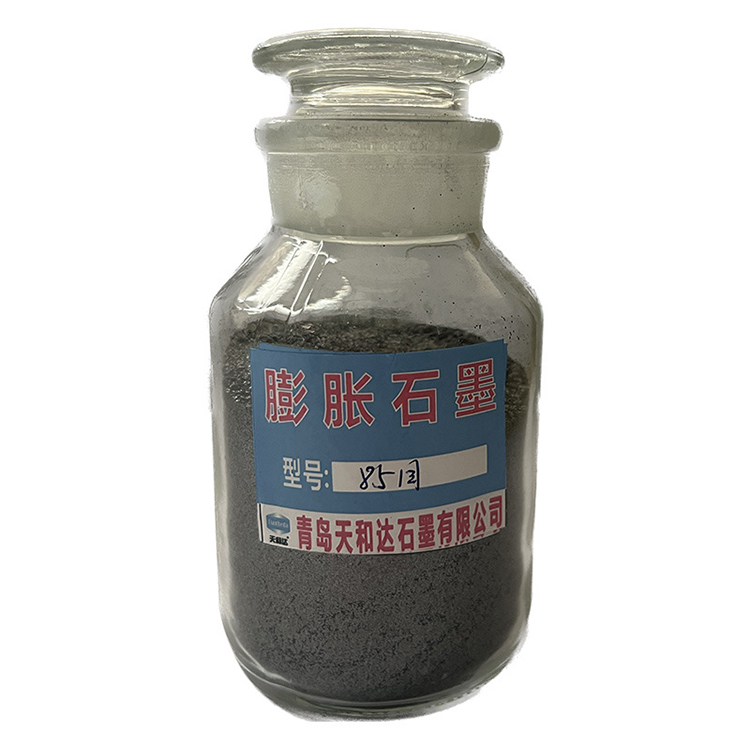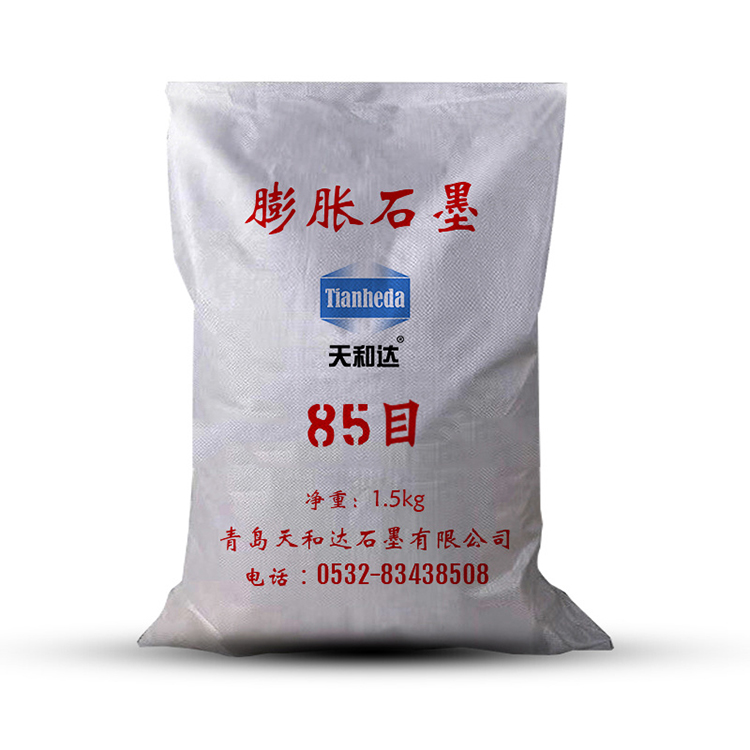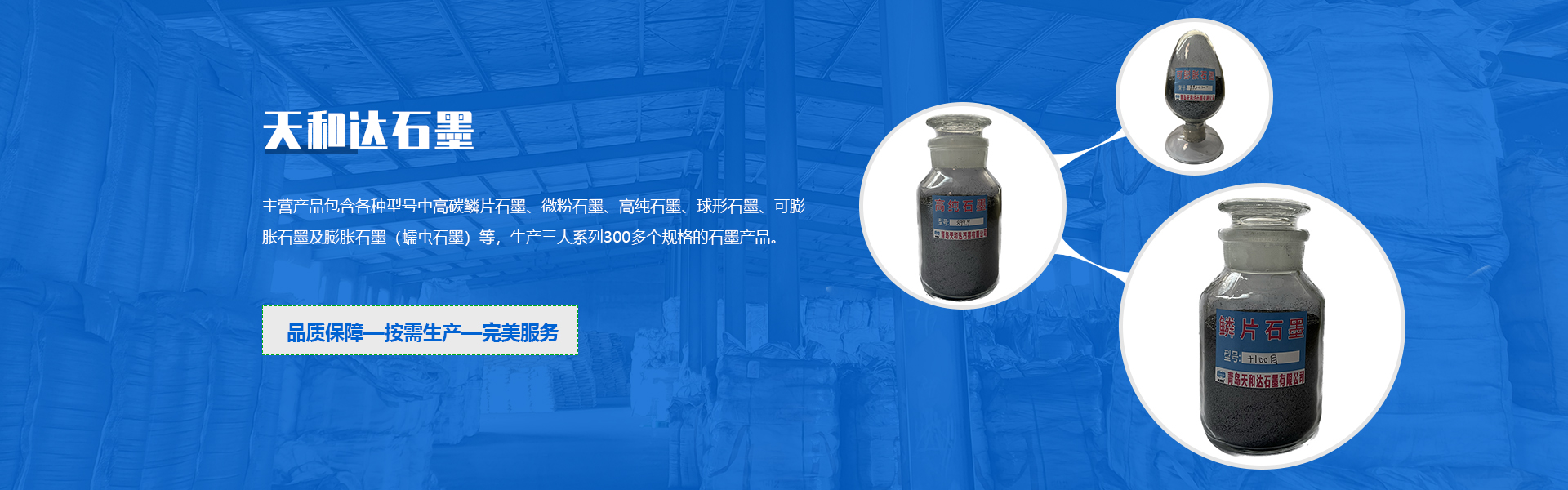

Expanding Graphite, as a new type of functional carbon material,(Expanded Graphite, abbreviated as EG) is a spongy, worm-like material obtained through intercalation, water washing, drying, and high-temperature swelling of natural graphite scales. EG not only possesses the excellent properties of natural graphite such as heat and cold resistance, corrosion resistance, and self-lubrication but also features characteristics not found in natural graphite, including softness, compressive resilience, adsorption, environmental compatibility, biocompatibility, and radiation resistance. As early as the early 1960s, Brodie discovered expanded graphite by heating natural graphite treated with chemicals like sulfuric acid and nitric acid, but its application did not begin until a century later. Since then, many countries have subsequently engaged in research and development of expanded graphite, achieving significant scientific and technological breakthroughs.
Expanding graphite can instantly expand in volume when exposed to high temperatures.150-300 times, changing from flake-like to worm-like, resulting in a loose, porous, and curved structure. The surface area increases, surface energy improves, and the adsorption strength of鳞片石墨 enhances. The worm-like graphite can self-interlock, thereby increasing its softness, resilience, and plasticity.。
Several development directions for expanded graphite are as follows:
Special-purpose expanded graphite
Experiments show that graphite worms have the ability to absorb electromagnetic waves, a property that makes expanded graphite highly valuable for military applications. Both the U.S. military and our own have conducted research and trials in this area.
This expanded graphite must meet the following requirements:
(1) Low initial expansion temperature, large expansion volume;
(2) Chemically stable, with a storage life of 5 years, the expansion rate remains largely unchanged.
(3) Expanding graphite has a neutral surface, which is non-corrosive to casings.
2. Granular expanded graphite
Micro-particle expanded graphite primarily refers toExpansible graphite with a 300-mesh size, offering an expansion volume of 100ml/g, primarily used in flame-retardant coatings, with high demand.
3. Graphite with high initial expansion temperature
High initial expansion temperature of expansion graphite: Initial expansion temperature290-300°C, expansion volume ≥ 230ml/g. This type of expanded graphite is mainly used for flame retardancy in engineering plastics and rubber.
4. Surface-modified Graphite
Expanding graphite as a flame-retardant material involves the solubility issue between graphite and other components. Due to the high mineralization on the surface of graphite, it is neither hydrophobic nor hydrophilic. Therefore, it is necessary to modify the surface of the graphite to resolve the solubility problem. Some have proposed whitening the surface of the graphite, which is to cover it with a durable white film. This is a challenging issue, involving film or surface chemistry, that may be achievable in a laboratory setting but poses significant difficulties in industrial applications. This type of white expandable graphite is primarily used for flame-retardant coatings.
5. Low initial expansion temperature, low-temperature expanding graphite
The temperature at which this type of expanded graphite begins to expand is:80-150°C, at 600°C the expansion volume reaches 250ml/g. The difficulty in preparing expandable graphite that meets this condition lies in:
(1) Select the appropriate interlayer agent.
(2) Control and mastery of drying conditions
(3) Moisture content determination;
(4) Solutions to environmental issues.