Chengdu, Sichuan CNAS Laboratory Certification Qualification Application, Chengdu CNAS Qualification Application Agency
How to Establish an ISO/IEC 17025 Quality System
Preparation Before Recognition
1. Purchase or download ISO/IEC 17025:2017 "General Requirements for the Competence of Testing and Calibration Laboratories." And collect supplementary requirements issued by CNAS for laboratories in various fields, as well as the relevant laws and regulations on product inspection.
2. Thoroughly understand and study the criteria and supplementary requirements for laboratory accreditation, ensuring that there is a clear and accurate understanding of the recognition requirements and processes among the staff within the laboratory. As needed, hire a CNAS consulting agency for on-site consultation, guidance, or training throughout the process.
3. Establish the organizational structure based on the requirements of laboratory accreditation criteria and the characteristics of the laboratory, delineate functional assignments. Provide intensive training and learning for key positions such as management, technical leaders, and quality controllers, ensuring they are proficient in ensuring the laboratory's hardware requirements and the accuracy and reliability of test results, as well as capable of conducting uncertainty analysis of the test results. Key position holders are individual focus points for assessment during the recognition process.
4. Clear delineation of the responsibilities, authorities, and interfaces of quality and technical activities in each department is essential. Define the quality responsibilities of each department and key personnel clearly.
5. In accordance with the requirements of laboratory accreditation criteria and supplementary regulations, as well as the actual conditions of the laboratory, organize and compile quality system documents, including quality manual, procedure documents, operation instructions, and records, which are the four main categories of quality system documents. The quality system documents should ensure compliance with relevant requirements and reflect the characteristics and reasonable allocation of the laboratory's testing projects.
6. A 6-month trial operation of the quality management system is required. During this period, all relevant work must be completed in accordance with the requirements of the quality system, and records must be retained for 6 months. Technical file collection and technical control activities must be conducted in accordance with the special requirements of Chapter 4 to 8 elements and supplementary provisions of the laboratory recognition criteria. A reasonable assessment of the on-site environment, area planning, and instrument conditions is necessary to ensure that the laboratory meets the recognition requirements in terms of hardware capabilities.
7. An internal quality audit covering all elements of laboratory recognition must be organized at least once prior to approval, and at least one management review must be conducted.
8. Participate in proficiency testing or measurement audits according to the requirements of CNAS and obtain satisfactory reports.
9. Submit the CNAS recognition application to the CNAS recognized body.
10. The on-site assessment team, appointed by the Laboratory Accreditation Committee, consists of a team leader and technical experts to evaluate both the software and hardware aspects of the laboratory, including a blind sample assessment project.
11. Assessment results are categorized into four types: 1. Fully Compliant; 2. Essentially Compliant, but requires written rectification; 3. Essentially Compliant, but requires partial on-site re-inspection; 4. Non-Compliant.
12. The assessment review group grants a整改 period of one to two months, during which the laboratory must implement corrective actions and submit a整改 report.
13. CNAS Issued Certificate.

 CNAS Laboratory Accreditation Consulting Center, Shenzhen CNAS Qualification Certification Agency Process
 CNAS 17025 Accreditation Consultancy Service, CNAS Accreditation Qualification Application
 CNAS Certification Approval Qualification Application Process Requirements

 Shenzhen CNAS Accreditation Consulting, CMA Qualification Application Guidance, Recommended by Established Merchants
 Software Testing CNAS Certification Guidance & Consultation, Software Laboratory 17025 Certification Consultation
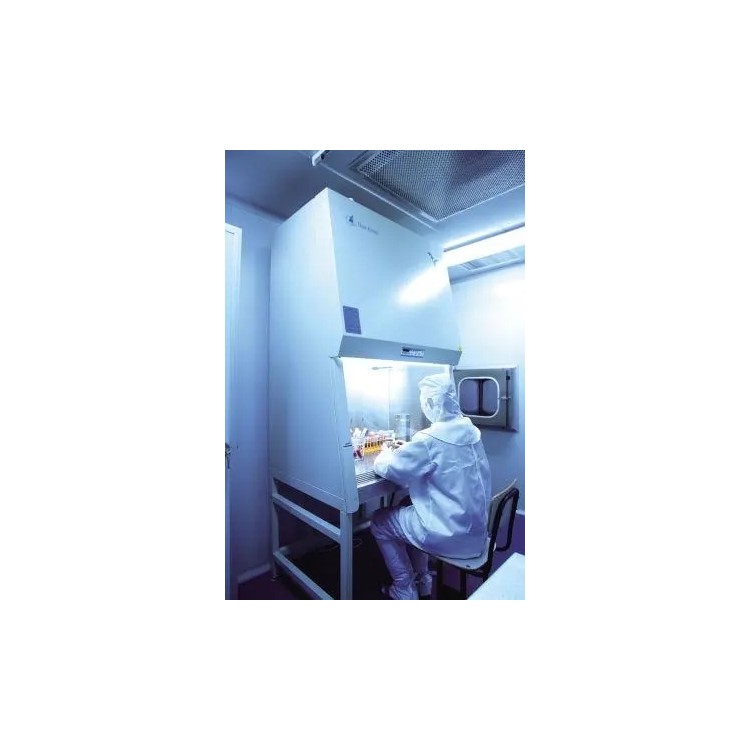 Chemical Laboratory CNAS Certification, Microbiological Laboratory CNAS Certification Consulting
 CNAS Laboratory Accreditation Consulting Company