CNAS Certification Consulting & Guidance Services - Fully Qualified - Trusted CNAS Certification Consulting
How are the quantity and proportion of on-site trial projects determined?
Generally, due to the varying circumstances of each laboratory under review, there are no mandatory requirements for the number and ratio of on-site testing projects. The common practice is to cover all aspects, which includes blind sample assessment, witnessed tests, comparative tests, retained sample retests, and operational demonstrations, among others. Projects that have participated in proficiency testing, measurement audits, and inter-laboratory comparisons are typically exempt from on-site assessments.
Overall requirements are: cover all methods, equipment, personnel, etc. During on-site assessment, the selection of on-site testing projects should consider the following points:
1、Coverage:
—Cover as many of the laboratory's testing fields as possible;
——Cover key instruments and equipment
— Principles of coverage and declaration methods, key standards, and typical parameters.
2、Focus:
——Field trials should be arranged for new projects as much as possible.
—— Arrange method change projects as much as possible
—— Arrange for capability verification of unsatisfactory projects as much as possible
—— Arrange for fewer projects to conduct inspections as possible.
——Projects with high industry attention and those with risks should be arranged as much as possible.
— Focus on evaluating new inspectors
Considering the on-site trial projects selected based on the aforementioned principles, the assessors should reasonably arrange their review time to ensure they witness each on-site trial project.
Free technical consultation for laboratory-related inquiries, welcome to call for discussion!
 CNAS Laboratory Accreditation Consulting Center, Shenzhen CNAS Qualification Certification Agency Process
 CNAS 17025 Accreditation Consultancy Service, CNAS Accreditation Qualification Application
 CNAS Certification Approval Qualification Application Process Requirements

 Shenzhen CNAS Accreditation Consulting, CMA Qualification Application Guidance, Recommended by Established Merchants
 Software Testing CNAS Certification Guidance & Consultation, Software Laboratory 17025 Certification Consultation
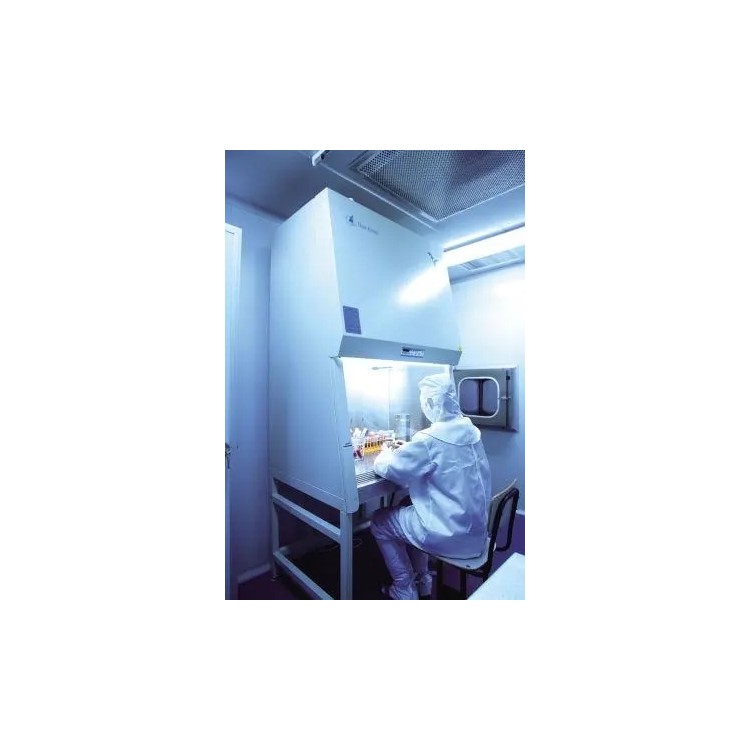 Chemical Laboratory CNAS Certification, Microbiological Laboratory CNAS Certification Consulting
 CNAS Laboratory Accreditation Consulting Company