
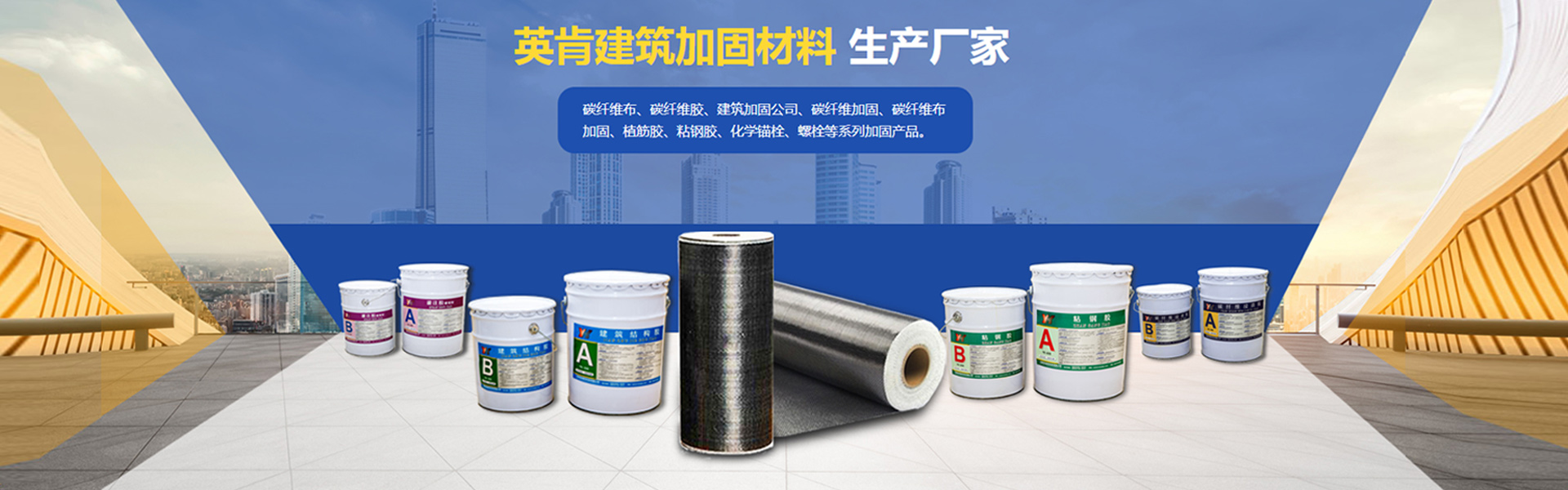
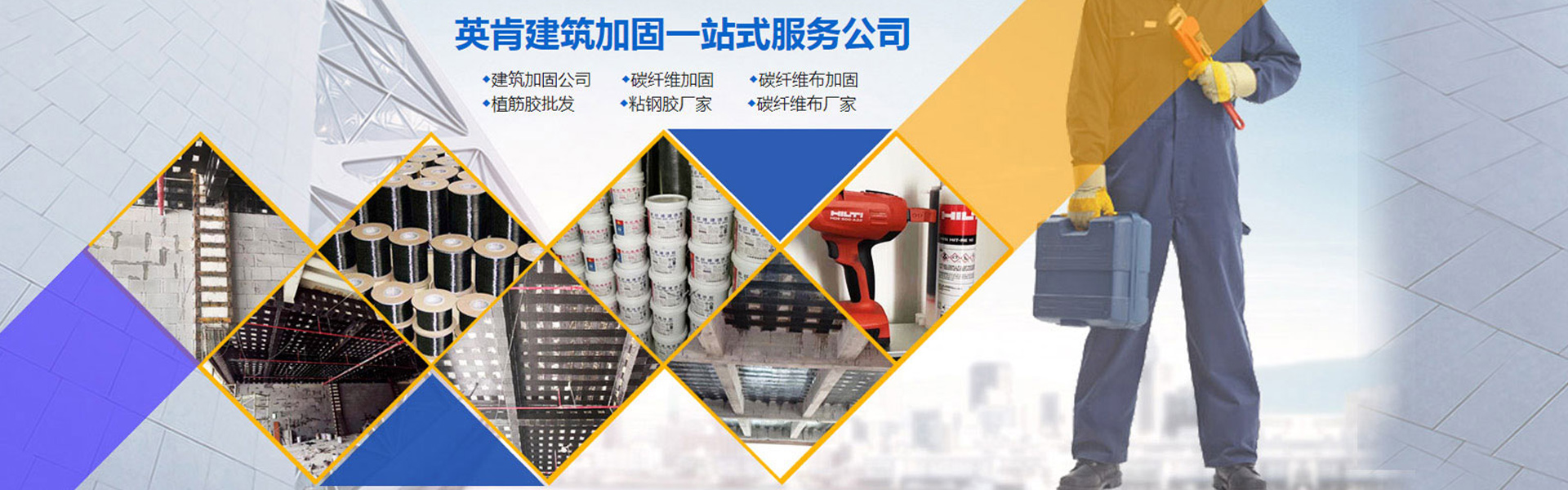



Carbon fiber cloth reinforcement technology is a new type of strengthening technique, primarily used for the reinforcement and repair of concrete structures. Compared to traditional methods such as increasing the concrete cross-section or reinforcing with steel-concrete, carbon fiber offers advantages such as space-saving, easy construction, no need for on-site fixed equipment, ease of quality control, and minimal increase in structural size and weight, along with excellent corrosion and durability properties. Moreover, this method can significantly extend the service life of buildings and reduce reinforcement costs. Therefore, carbon fiber, as a groundbreaking reinforcing material, has garnered widespread preference and attention.
Carbon Fiber Features:
High-strength: tensile strength over 3550 MPa, tensile modulus of elasticity over 2.35 * (10^5) MPa, similar to the elastic modulus of steel bars, suitable for reinforcement and repair of concrete structures.
2. Easy Installation: Carbon fiber has a density just 1/4 of steel and a thickness less than 0.5mm, allowing for a strong reinforcing effect without significantly increasing the original structure's weight or cross-sectional dimensions.
3. Reinforcement Function: During seismic reinforcement, provides maximum lateral displacement capability, enhances toughness and strength, and increases the compressive, shear, and bending resistance of (bridges) beams, slabs, and columns for maximum load reinforcement.
Protect concrete and steel from environmental erosion (moisture, corrosive substances), inhibit crack growth, enhance the strength and toughness of deteriorated concrete, and extend its service life.
4. Durability: Excellent resistance to UV rays and environmental aging.
Hulun Buir Grade 1 Carbon Fiber Fabric _ How much is 200g of carbon fiber fabric per square meter?
In general, both carbon fiber reinforcement and steel plate bonding offer excellent performance and can meet the requirements of various application fields. In terms of performance, both carbon fiber fabric reinforcement and steel plate bonding have their unique advantages, catering to different application needs. Therefore, when choosing the appropriate reinforcement, it is still necessary to consider the actual situation comprehensively.
In most cases, temperature cracks do not directly affect the structure's use. However, if not addressed and repaired promptly, they can cause certain adverse effects on normal operation, even turning into non-essential elements, such as severe leakage in roofs and walls, or even the detachment of wall plaster. Generally, temperature cracks can be sealed with cement mortar, resin mortar, or cement grout.
"After discovering cracks, the responsible parties such as planners and contractors should first determine the nature of the cracks, to judge whether they are structural cracks." An inspector from the Construction Quality Supervision Station said, "Once the nature of the cracks is determined, the responsible party should communicate with the residents and then provide a detailed repair plan for the cracks."
1. The putty base, curing accelerator, and hardener are weighed in accordance with the specified proportions, placed into containers, and mixed evenly using a mixer.
2. Fill in the concave areas of components with putty to even out the surface. During the repair process, apply putty only when the temperature is above -5℃ and the relative humidity is less than 85%. After applying the putty, sand down any remaining high and low textures on the surface with sandpaper to achieve a smooth finish.
3. Apply Base Adhesive / Evenly coat the pre-mixed base adhesive (bonding agent) on the concrete surface to be bonded using a roller.
4. Prior to applying carbon fiber or carbon fiber materials, it is crucial to acknowledge that the surface can be dull. No construction is to be carried out if the temperature is above -10℃ and the relative humidity (RH) is greater than 85% without proper methods. To prevent damage to the carbon fiber materials during transportation, storage, cutting, and application, use a steel ruler and wallpaper knife to cut the materials to the specified dimensions. Each section should typically not exceed 6 meters in length. To avoid damage during storage, cut the materials according to the day's usage. The longitudinal joints of the carbon fiber must overlap by at least 500px. This area should be coated with more resin, and no overlap is required for the transverse carbon fiber.
We specialize in supplying: German-imported Hilti RE500 anchor adhesive, Hilti rebar tie and粘贴胶, as well as imported Hilti glue guns. Our products are of superior quality, diverse in types, widely available, and technologically advanced. Our customer service ensures satisfaction. If you are interested in our products, please leave a message online or call for inquiries.
Hulunbeier Grade 1 Carbon Fiber Fabric - How much is 200g carbon fiber fabric per square meter?
