



Carbon fiber reinforced repair technology is a new type of reinforcement technique, primarily used for the reinforcement and repair of concrete structures. Compared to traditional methods such as increasing the concrete cross-section or reinforcing with steel-concrete, carbon fiber offers advantages such as space-saving, simplified construction, no need for on-site fixation facilities, easy quality control, minimal increase in structural dimensions and weight, excellent corrosion and durability, and more. Additionally, this method can significantly extend the service life of buildings and reduce reinforcement costs. Therefore, carbon fiber has gained widespread popularity and attention as a groundbreaking reinforcing material.
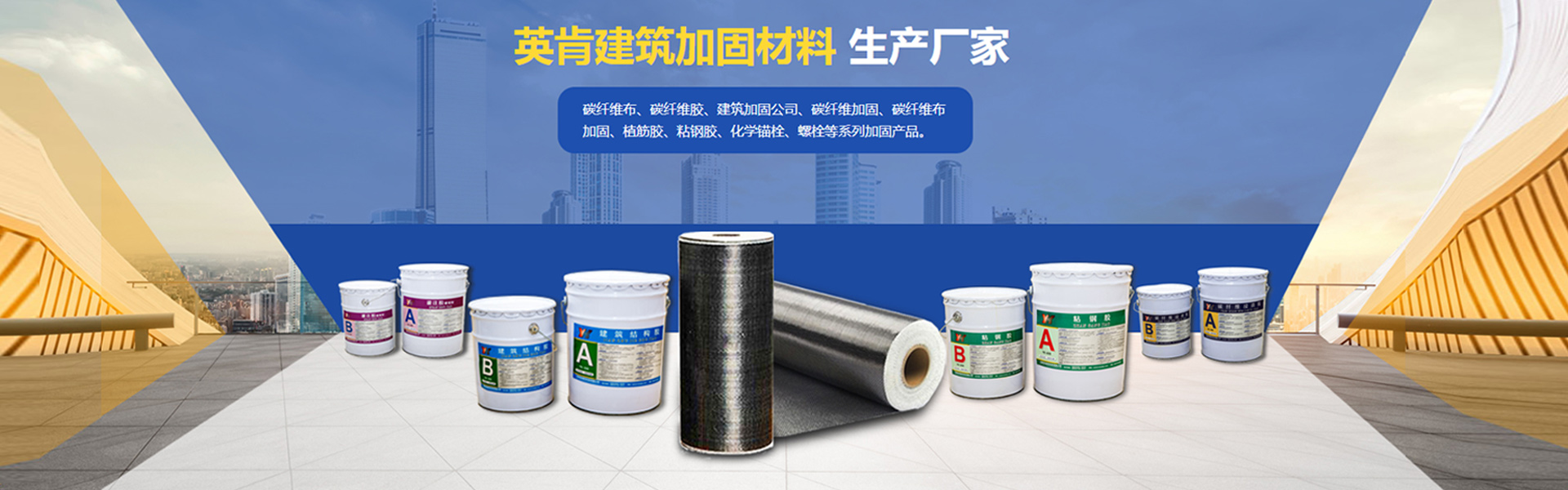
Here, we'd also like to introduce our company's products - carbon fiber fabrics and the matching resin adhesives:
1. Thinness for easy overlapping. Bendable and wrapable for forming, reinforcing various curved and irregular components.
2. Excellent flexibility, allows for free cutting, suitable for beams, columns, plates, pipes, and walls, as well as various shaped components.
3. Can be tightly bonded to the surface of reinforced concrete, with easy construction quality assurance. No need for large-scale construction equipment.
4. Can be joined and bonded for any extension without open flame work.
5. The resin adhesive boasts superior permeability, ease of application, and a shorter construction period.
6. Eco-friendly, construction is still possible while in residence.
7. Long storage duration, extended operational validity.
Lanzhou Reinforced Carbon Fiber Fabric - Price of Reinforced Carbon Fiber Fabric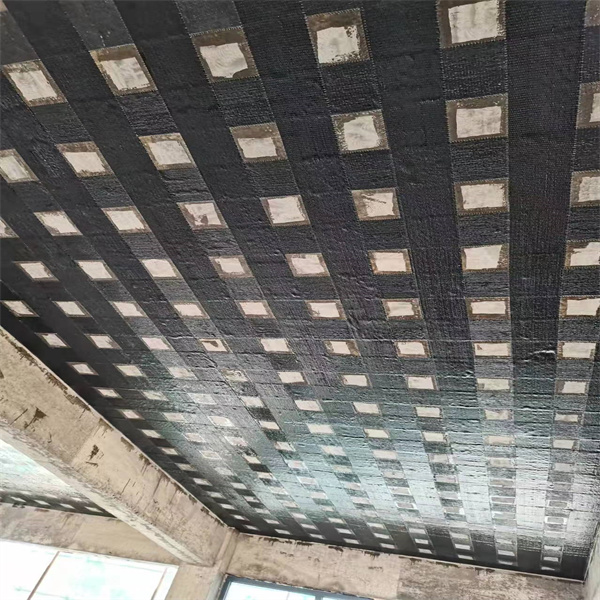
When it comes to structural reinforcement, the first thing that comes to mind for many is rebar bonding, which is one of the methods used. During the process of bonding rebars to structures, the bonding adhesive is an indispensable reinforcing material, playing a crucial role in the reinforcement. There are specific requirements for the bonding adhesive when reinforcing a structure, as it is an integral part of the reinforcement construction process.
Epoxies must not only be of high quality but also compatible with reinforcement materials. How do you choose the right epoxy for reinforcement during bar anchoring? Let's explore together:
One, Performance of Anchor Grout
The performance of anchor grout is a crucial factor to consider when making a purchase. There are many low-quality anchor grouts on the market that do not meet expectations in terms of application results, only high-quality anchor grout can ensure the effectiveness of the reinforcement.
Section 2: The Environmental Friendliness of Epoxy Resin Adhesives
Over the years, the "environmental concept" has gained increasing attention. Now, many property owners demand the use of eco-friendly reinforcement materials when bonding rebars, as some buildings have used non-environmentally friendly materials, leading to the generation of a large amount of harmful gases post-construction. This not only affects the living environment of the owners but also their health. Therefore, the selection of epoxy resin adhesives must possess environmental properties to ensure that the living environment post-construction remains unaffected.
Three, Grout Adhesive Quality - The quality and prices of grout adhesives on the market vary greatly. It's crucial to choose the right grout adhesive, as high-quality adhesive ensures the effectiveness of the reinforcement, enhances the performance during construction, and improves project efficiency.
Carbon Fiber Reinforcement Construction Process (Detailed construction methods can be found in the "Technical Zone" section of this site): Unloading → Substrate Preparation → Priming → Levelling → Lamination → Protection. Prior to reinforcement unloading, the components to be reinforced should be unloaded as much as possible. Substrate Preparation. For areas with deterioration such as spalling, hollowing, honeycombing, and corrosion on the concrete surface, they should be chiseled off. For large areas of poor-quality layers, repair should be done with mortar after chiseling. Cracks should be sealed first. Use concrete corner machines, sandpaper, and other tools to remove float, oil, and other impurities from the concrete surface. The concrete base surface should be ground smooth, especially the protruding parts on the surface should be ground flat. The corner areas for lamination should be chamfered and ground into a rounded shape (R≥30mm). Use a blow dryer to clean the concrete surface thoroughly and keep it dry.
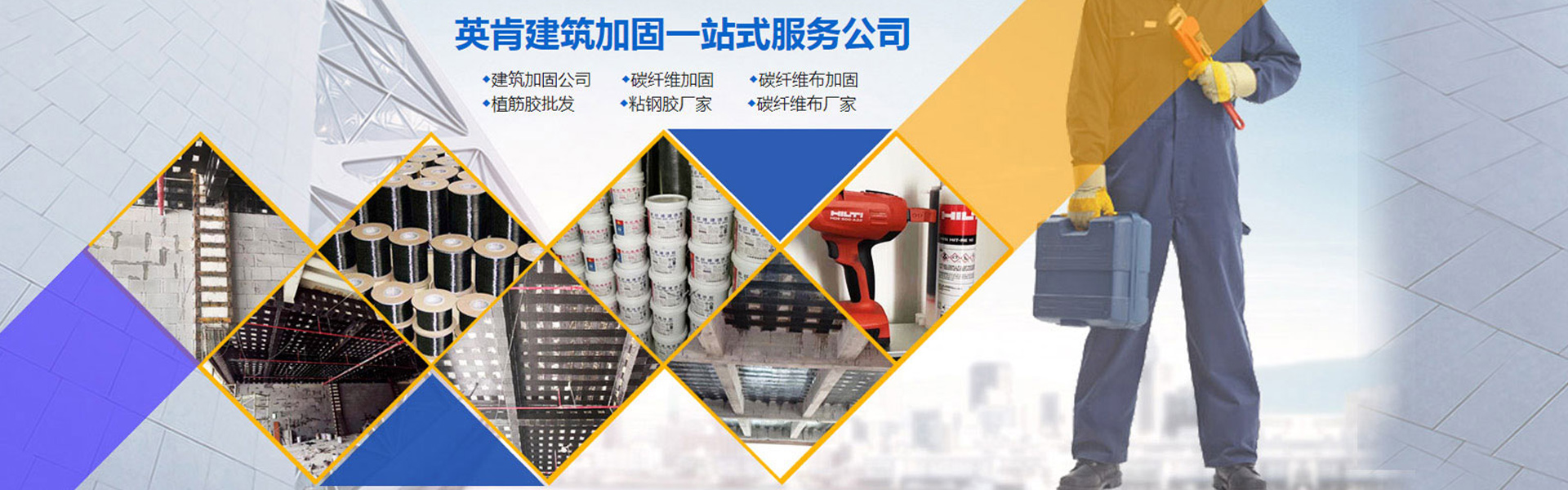
We specialize in supplying: German进口Hilti RE500 anchor adhesive, Hilti rebar bonding adhesive, paste adhesive, and imported Hilti adhesive guns, among others. Our products are of superior quality, diverse in types, widely distributed, and our technology is cutting-edge. Our service ensures customer satisfaction. Should you be interested in our products, please leave a message online or call for inquiries.
Lanzhou Reinforced Carbon Fiber Fabric - Price of Reinforced Carbon Fiber Fabric
