

Modern underfloor heating first appeared in Japan and South Korea, entering China at the end of the 1990s. After nearly 20 years of development, it has become a very popular residential heating method. Underfloor heating has been prevalent in the northern regions of our country, later gaining popularity in the middle and lower reaches of the Yangtze River, primarily concentrated in coastal areas. Currently, the usage rate of underfloor heating remains low, due in large part to geographical conditions, lifestyle habits, and the fact that many people are unfamiliar with underfloor heating knowledge. Comfort 100 Network, based on years of experience in underfloor heating installation, aims to普及 some common knowledge about underfloor heating.
Ground-Source Heating 101: What Are the Benefits of Floor Heating?
Comfort: Cozy with a cool head and warm feet, it feels like the sunshine in spring.
Health: Compliant with human needs and theories of human health science.
Energy Efficiency: Reduced heat loss, significant energy savings for independent heating users (provided that there is reasonable design and installation).
Environmental Protection: Radiant heating minimizes dust movement, doesn't smoke walls, ensuring indoor cleanliness.
Other: Space-saving, noise-free, with a lifespan of over 50 years, one-time investment for lifetime benefits.
Ground Source Heating 101: Can Underfloor Heating Leak?
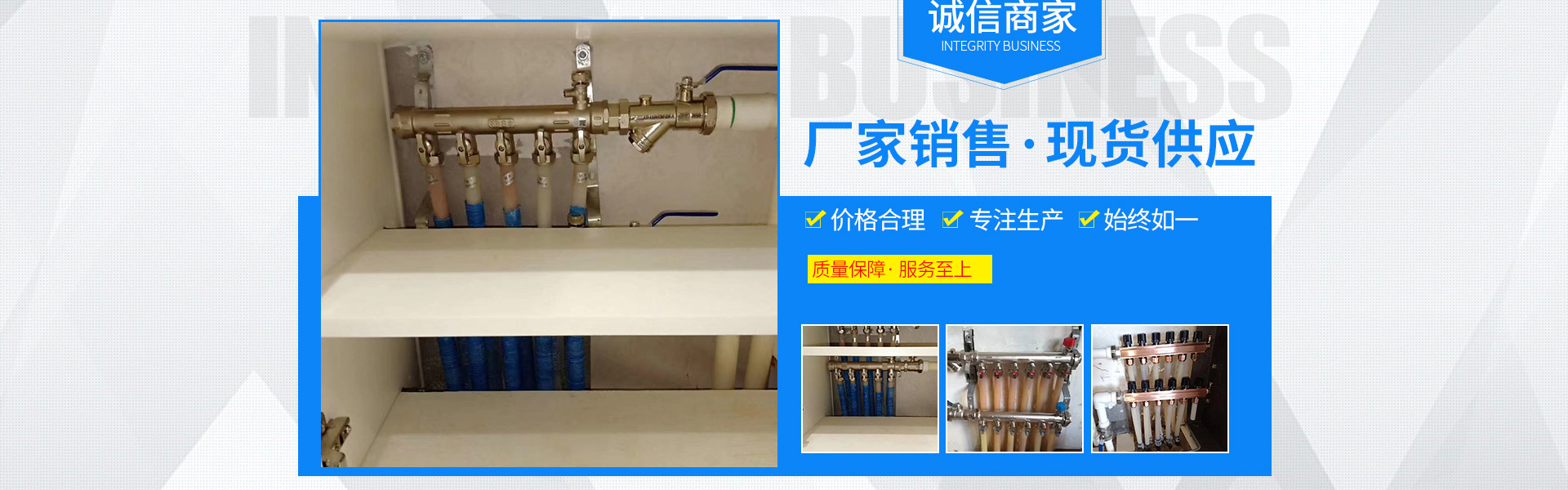
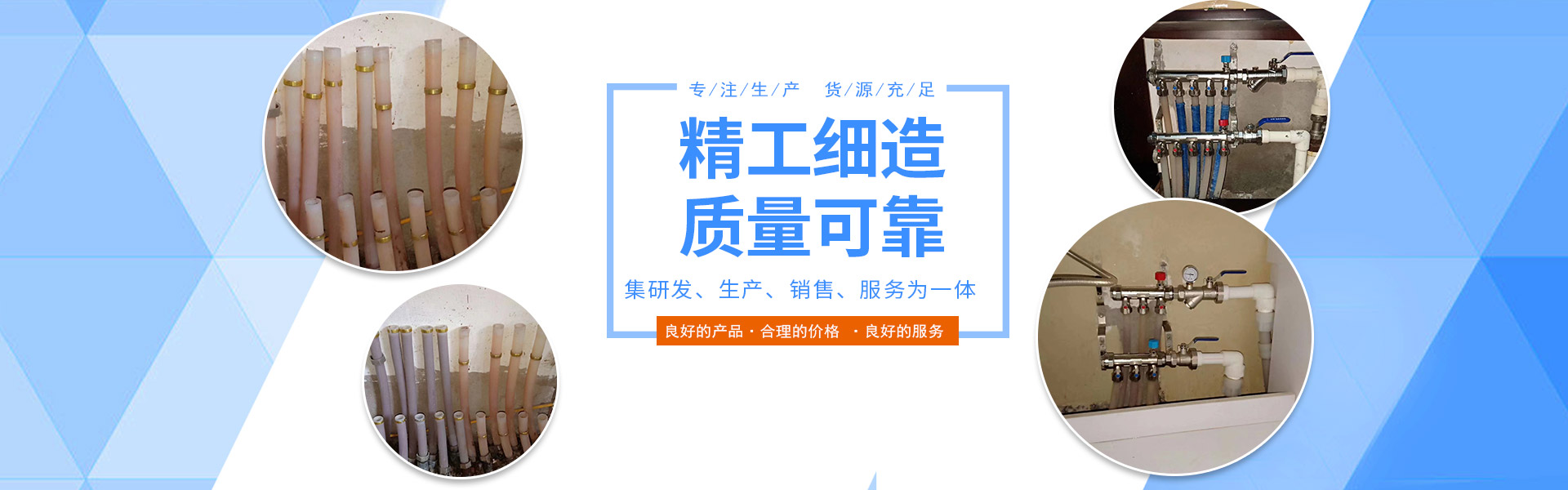
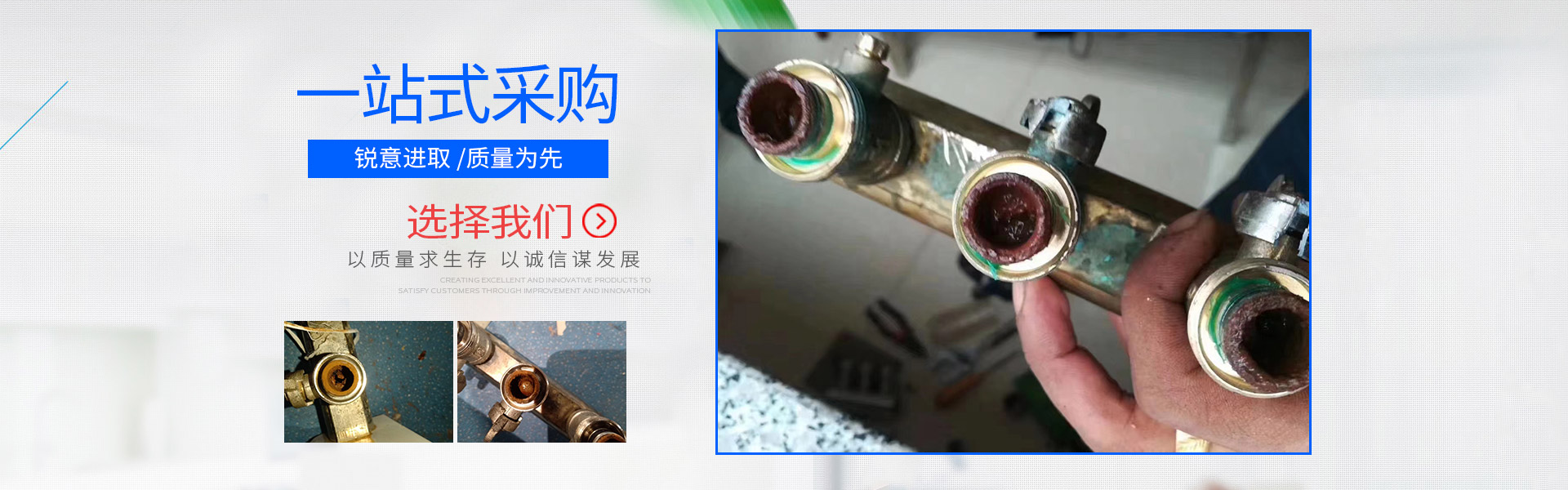
The ground heating pipeline is a continuous tube without joints in the buried section, with all pipeline joints located at the manifold. The manifold is typically placed in each floor's bathroom. For most single-story villas (with floors not too large in area), only one manifold is required. As long as the materials are chosen properly, there should be no issue with leaks.
Do You Need to Replace the Water in Your Underfloor Heating System Every Year?
The water in the ground heating system does not need to be replaced, as doing so annually can easily lead to scale buildup. This is because water that has already formed scale is less likely to continue scaling.
Ground-Source Heating 101: Does Floor Heating Lead to Scale Build-up?
Radiant floor heating is a low-temperature radiation heating system, with the heating water temperature below 60℃. Generally, the heating water temperature is around 50℃. This water temperature is below the scale formation point, thus making it less likely for scale to form when using radiant floor heating.
Ground-Source Heating 101: Is It Energy-Efficient for Independent Heating Users?
Under conditions of meeting the ground heating load, the rational design, construction, and energy-saving of ground heating should be over 25%. This is because ground heating is a low-temperature radiant heating system, with most of the heat concentrated in the areas where people need it, resulting in warm feet and slightly cooler head, i.e., the lower part of the room being warm and the upper part being cool, which aligns with human needs. The floor heating method is exactly the opposite of the air conditioning and radiator convection heating methods, where the heat is concentrated at the ceiling, making the area where people are cold and the upper part hot.
Ground-Source Heating 101: Which Flooring is Energy-Efficient?
Tile and stone are energy-efficient, followed by composite wood flooring (solid wood flooring), with carpet being the least efficient.
Ground-Source Heating 101: How to Control the Temperature?
Basic temperature control method: Adjust the indoor temperature of each room by regulating the water flow through the valves on the underfloor heating manifold.
Automatic Temperature Control: Use temperature to regulate indoor temperature.
Programmable Temperature Control: Pre-set different temperatures for each time period of every day within a week.
Remote Control: Pre-set heating temperatures across various locations via phone or computer (suitable for clients with irregular schedules and frequent business travel)
Floor Heating 101: How Long Does a Floor Heating System Last?
The lifespan of an underfloor heating system primarily concerns the longevity of the buried pipes, as the above-ground components can be replaced. Therefore, the choice of pipes is crucial for the system's lifespan. Pipes made from materials approved by internationally recognized testing institutions are used, with a design lifespan of up to 70 years (the lifespan of oxygen-barrier coated pipes is even 100-150 years). In practice, the lifespan exceeds 50 years, suggesting that the underfloor heating system is essentially comparable to the lifespan of the building itself.
Ground Source Heating 101: How Much Does a Floor Heating System Cost?
The price of an underground heating system is determined by the materials chosen for the concealed underground structure, the configuration of the control system, the materials selected for the main pipeline system, and the configuration of system accessories.
Materials such as piping, insulation, separation layers, expansion joints, contraction joints, protective sleeves, and other auxiliary materials in underground concealed structures vary greatly in price depending on the quality. Low prices can only indicate the use of counterfeit or substandard materials that may not even meet basic performance requirements.
Ground-Source Heating 101: What Are the Operating Costs for Radiant Floor Heating?
Radiant floor heating typically reduces operating costs by 20%-40% compared to traditional convection heating systems like radiators and central air conditioning. Factors such as the floor level, room orientation, wall insulation, window size, and the use of double-glazed windows greatly influence the building's insulation and heat loss. For instance, a single-family home with multiple exterior walls will have more heat loss if the insulation is poor. To achieve the same temperature, the required heating may increase exponentially. Additionally, each household has different usage habits, with comfort temperature needs varying by 2-5℃ among families. Some may also prefer natural ventilation through windows twice a day for half an hour, which all affect operating costs. Radiant floor heating provides warmth through radiation, aligning with the body's thermal needs curve. Even with a lower set temperature by 2-5℃, it can create the same sense of warmth as convection heating. Using low-temperature heat sources, radiant heating minimizes heat loss due to temperature differences, significantly improving efficiency compared to convection heating, potentially lowering operating costs by 20-30%. Proper selection and use of control systems can not only enhance room comfort but also reduce operating costs by up to 40% or more.
Ground Heat Knowledge普及:Will the floor be unevenly hot or cold, or have hot spots?
Tailoring floor heating system designs to the insulation, ventilation conditions, room functions, furniture placement, flooring choices, and adjustable heat source status ensures no localized overheating or underheating. Adding different control system configurations guarantees comfortable and satisfactory temperatures in all rooms. Many users, worried about insufficient heat in the future, request floor heating companies to reduce the spacing between buried pipes. Some companies excessively cater to these requests, leading to overly dense pipe layouts and excessively high temperatures in rooms, either overall or in specific areas.
Ground-Source Heating 101: What Decorative Materials Are Suitable for Underfloor Heating?
A wide variety of decorative materials such as solid wood flooring, engineered wood flooring, laminate flooring, stone, tiles, linoleum, wool carpets, cement bricks, rubber flooring, and floor mats are all suitable for underfloor heating in the current decoration market. However, different flooring materials have varying thermal conductivity coefficients. Customers should inform us of the chosen decorative materials prior to installation of the underfloor heating so that we can consider them in the thermal load calculations.

