
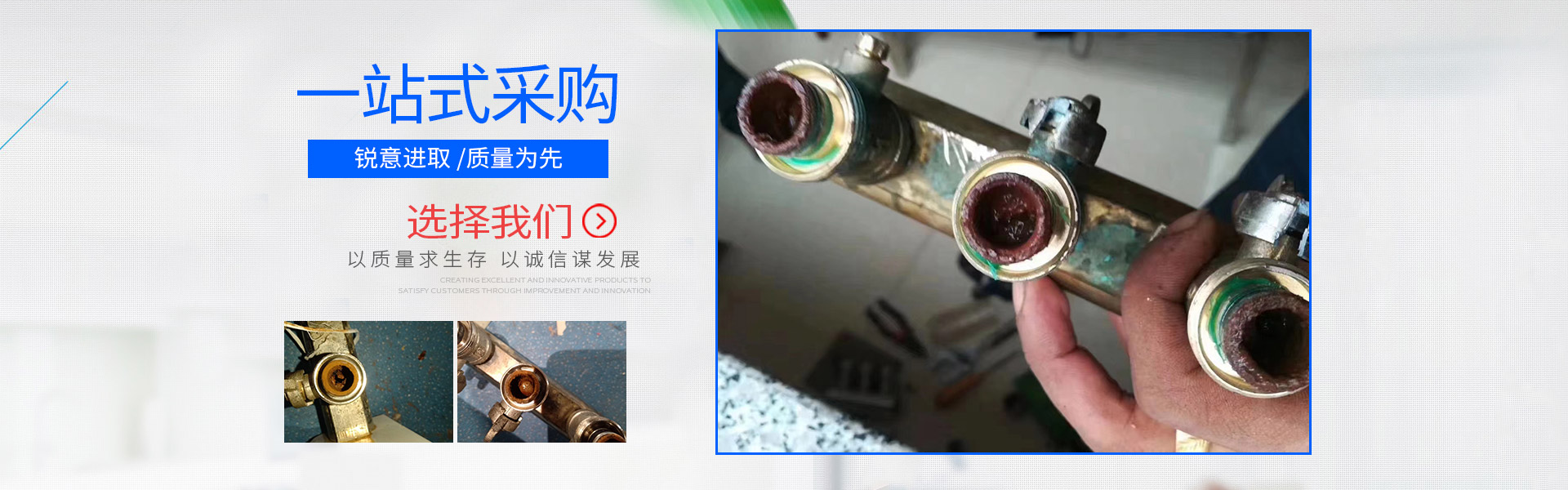

Water-based radiant heating is increasingly popular in the home improvement market, resulting in a corresponding increase in the likelihood of leaks. The reasons for leaks in water-based radiant heating include several aspects: the quality of the materials themselves; damage to pipes due to non-standard construction during installation; and errors made by workers during later renovation processes, such as using mechanical equipment to break pipes, such as electric hammers, saws, and nail guns, etc. Leaks in early-stage radiant heating installations are relatively easy to locate and repair. However, discovering and fixing leaks during later use can be more difficult and麻烦. Pipe damage in radiant heating can cause significant losses for homeowners and those below, and due to the特殊性 of radiant heating, it can be quite麻烦 to locate the point of damage. Leaks in centralized heating radiant heating can have severe consequences, whereas those in wall-hung boiler heating systems are generally much better. However, if not addressed promptly, they can also lead to boiler water shortages and damage to the system.
The leaks caused by the first two issues are typically discovered and repaired during the early stages of renovation. However, the third type of leak may not be found until after some time of occupancy and use, at which point the actual leak point cannot be found on the floor surface. To locate the radiant heating leak, a keen sense of judgment is required, along with early design and construction drawings and certain instruments to achieve a quick resolution.
We would like to address how to solve issues like low water pressure and leaks after residents move in and start using the facilities. After years of experience, we can locate leak points by utilizing simple instruments, the original design drawings, and construction drawings, combined with on-site comprehensive assessment.
Upon receiving the owner's warranty call, the first step is to make an initial judgment during the call to establish the operational steps upon arrival at the site.
Typically, if there's a leak, the boiler will lose pressure quickly, often within a couple of hours to a day or two. In some cases, it can drop to zero pressure rather rapidly. Detecting leaks that cause gradual pressure loss is usually easier to pinpoint over a longer period and in more detail. However, if the pressure drops to zero in a short span, it's crucial to act cautiously and quickly, otherwise significant damage may occur.
When it is determined to be a slow leak, the first step is to shut down the boiler. After the radiant heating surface has cooled down, close the individual valves on the manifold after pressurizing. Observe the pressure gauge on the boiler; if there is no change, it can be concluded that the main pipeline section is problem-free. Then, open the valves of each circuit to determine which circuit is experiencing a drop in pressure. Once the problematic circuit is identified, close all circuits without leaks, start the boiler, and adjust the water temperature to high. Perform the radiant heating cycle. The boiler pressure will gradually decrease. During the heating process, ensure the boiler maintains a certain pressure level. After the leaky radiant heating circuit is activated, use an infrared thermometer to measure the surface temperature. Initially, a temperature difference will be observed on the surface, which should appear linearly, indicating the original layout of our radiant heating pipes. On either side of the pipeline direction, the normal surface temperature shows a trend of descending to ascending curves between the two pipes. This is our preliminary determination for identifying the leak point. As time progresses, the surface temperature gradually rises, and the temperature at the top of the pipeline will increase significantly. The key suspected area should be measured first. If the temperature in this key area is significantly higher than that of other ground measurements, this is where the next determination should be made. Before identifying the key area, it is essential to make a full regional judgment and temperature gradient measurement based on the drawings. Only after completing the temperature gradient measurements can a subsequent judgment be made. Once the location area is determined, proceed with the center point identification, which is also determined through temperature values. Generally, the center of the leak is where the temperature is higher. After measuring the temperature within a certain range around the area, an approximate determination of the leak's center position can be made. This allows for the removal of the ground surface layer for inspection and repair.
The principle behind using temperature measurement to locate water leaks is as follows: in a normal heating system, if the water flowing through the pipes is at 60 degrees, the surface temperature measured at ground level typically will not exceed 30 degrees in a short period. However, at the point of leakage, where hot water is directly escaping, an abnormally high temperature area will form nearby. The temperature in this area will show values close to the boiler's set temperature. In such cases, we can use this method to locate the leak without having to disrupt a large area of the ground for repairs.

