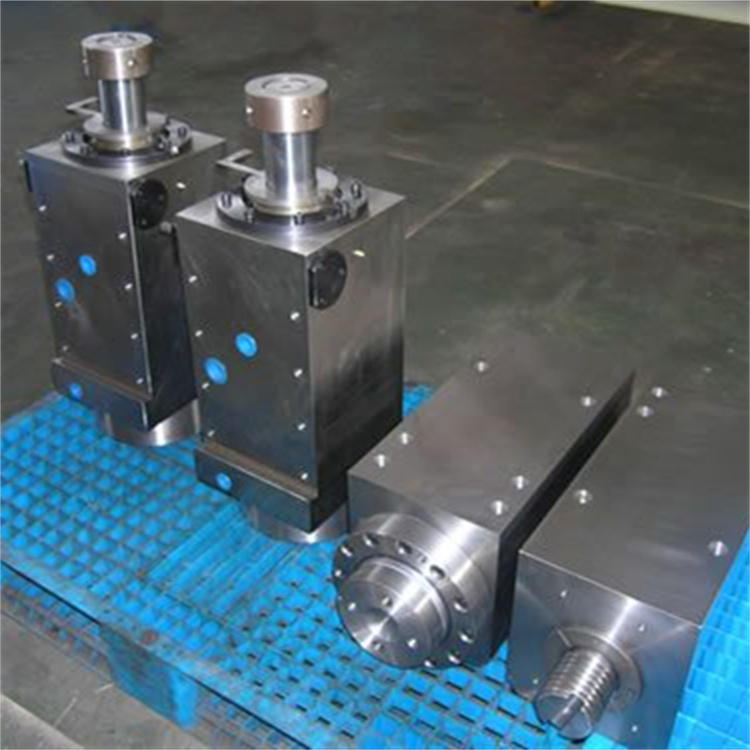



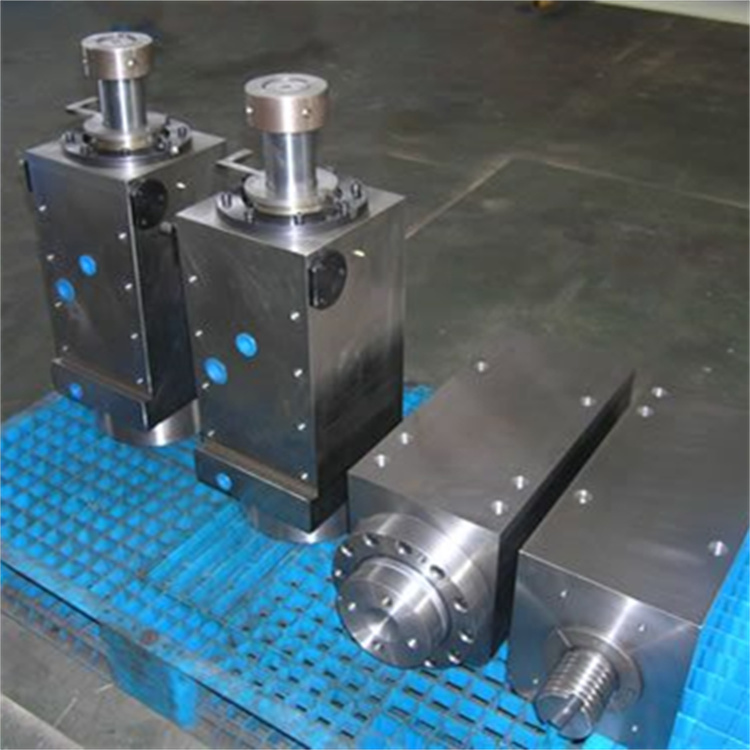

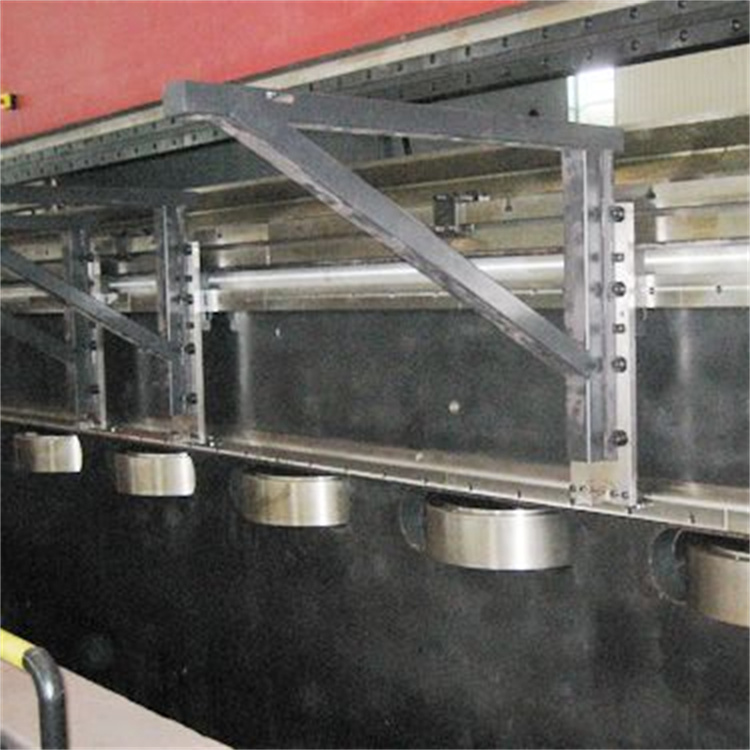
Cylinders are one of the key components in hydraulic systems, primarily used to convert hydraulic energy into mechanical energy, thereby driving the movement of mechanical equipment. Below are some basic information about cylinders:
Types of hydraulic cylinders
Single-acting hydraulic cylinder: Features one inlet port and one outlet port, commonly used for applications requiring unidirectional movement.
Double-acting hydraulic cylinder: Equipped with two inlet and two outlet ports, it can control bidirectional movement.
Piston-type hydraulic cylinder: Equipped with a piston inside, which allows for the cylinder's extension and retraction through the reciprocating motion of the piston.
Piston-type hydraulic cylinder: Equipped with a piston inside, which allows the cylinder to extend and retract through the reciprocating motion of the piston.
Swing Cylinder: Used to achieve angular motion, commonly employed in situations requiring rotation or swinging.
The working principle of hydraulic cylinders is based on Pascal's Law, which states that pressure exerted on a fluid in a closed system is transmitted uniformly. The working principle of hydraulic cylinders mainly involves the following steps:
Oil Inlet: Hydraulic oil enters the cylinder through the inlet port, propelling the piston or plunger to move.
Motion: The movement of pistons or plungers drives external mechanical components, achieving the required mechanical action.
Backflow: After completing the action, hydraulic oil returns to the reservoir through the return port, preparing for the next action.
The hydraulic cylinder is mainly composed of the following parts:
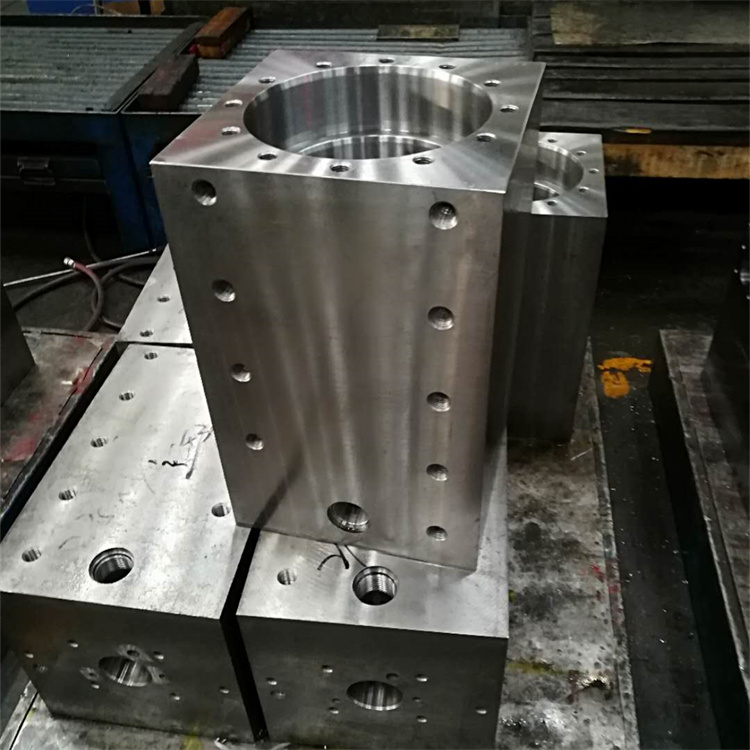
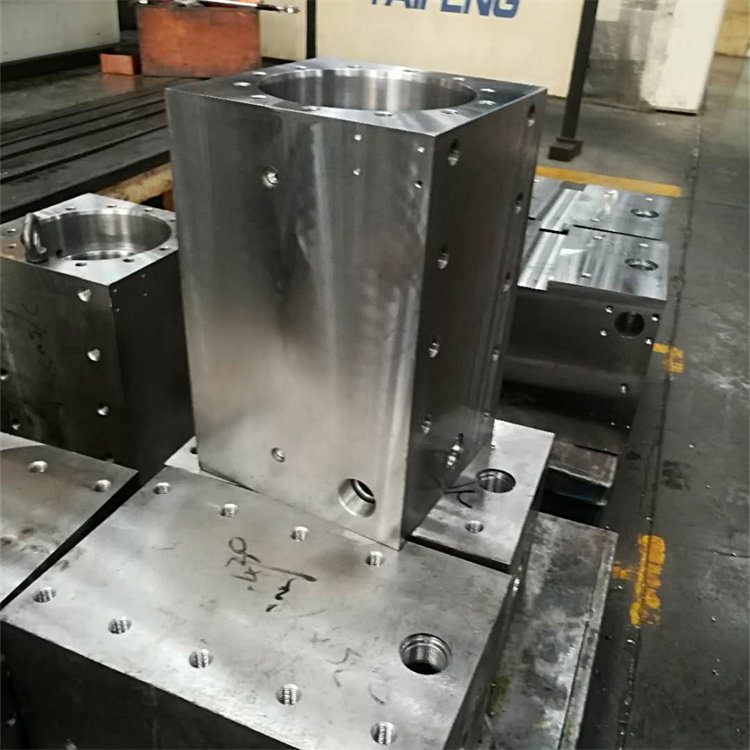
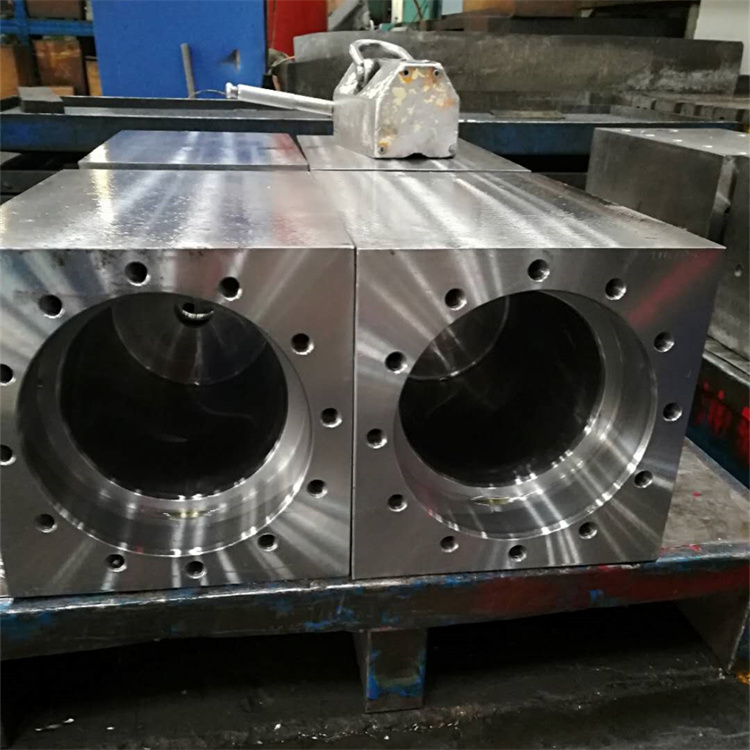
Cylinder Body: The outer shell of the oil cylinder, typically made of high-strength materials to withstand high pressure.
Piston or Plunger: An internal moving part that enables the cylinder to extend or retract through its movement.
Sealing Components: Used to seal the interior of hydraulic cylinders, preventing hydraulic oil leakage.
End covers: Located at both ends of the hydraulic cylinder, they secure the piston or plunger and provide oil inlets and outlets.
Guiding sleeve: Used to guide the movement of pistons or plungers, reducing friction.
Please note the following maintenance points during the operation of the hydraulic cylinder:
Regular Inspections: Check the seals and guide sleeves of the hydraulic cylinder to ensure proper operation.
Clean hydraulic oil: Maintain the cleanliness of hydraulic oil to prevent contamination inside the cylinder.
Avoid Overloading: Prevent the hydraulic cylinder from bearing loads exceeding its design pressure to avoid damage.
Lubrication: Regularly lubricate the moving parts of the oil cylinder to reduce wear.
Cylinders, as the core component of hydraulic systems, directly impact the entire system's performance. Thus, selecting the right cylinder and performing proper maintenance is crucial.