



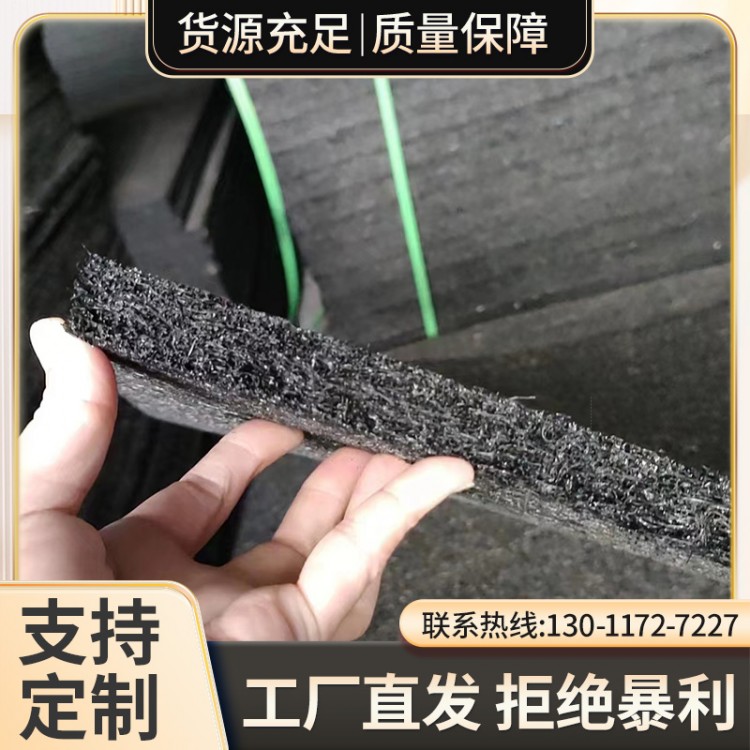
 Plastic Blind Pipe
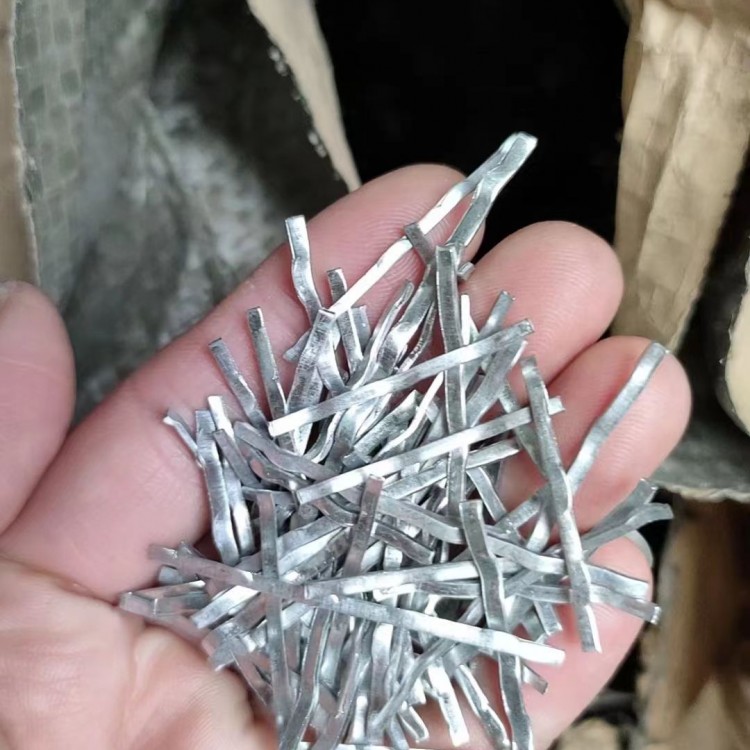 Stainless steel fiber
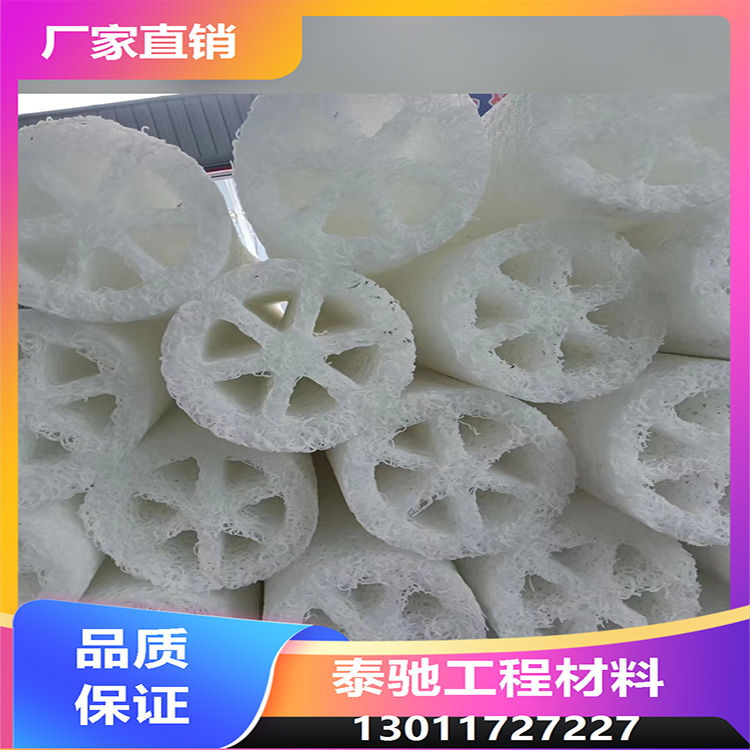 Plastic Blind Pipe
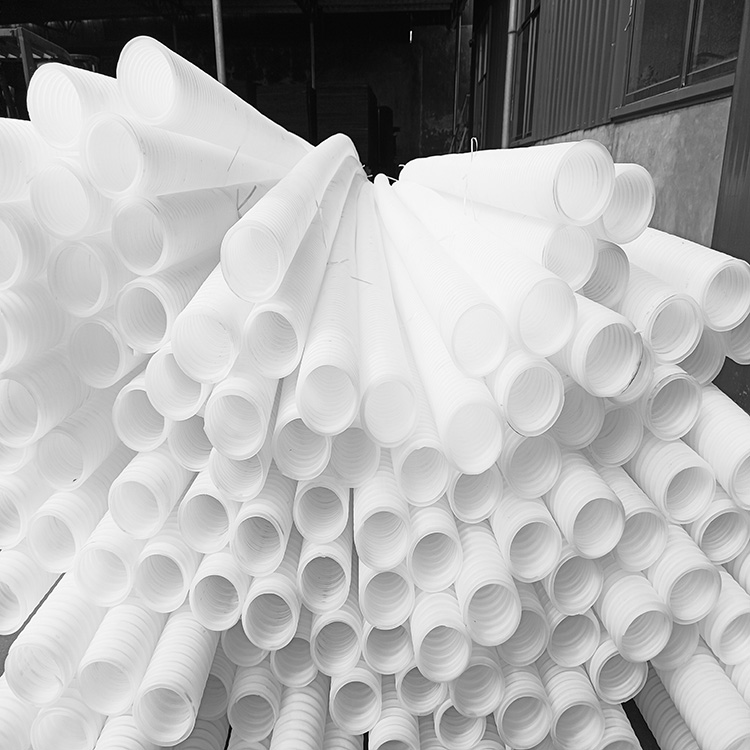 Hose
Hose
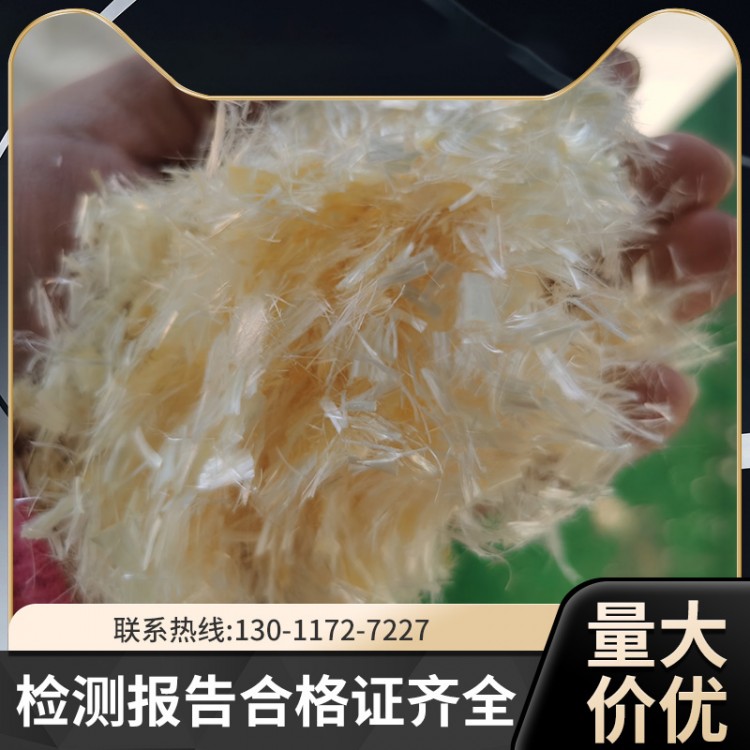
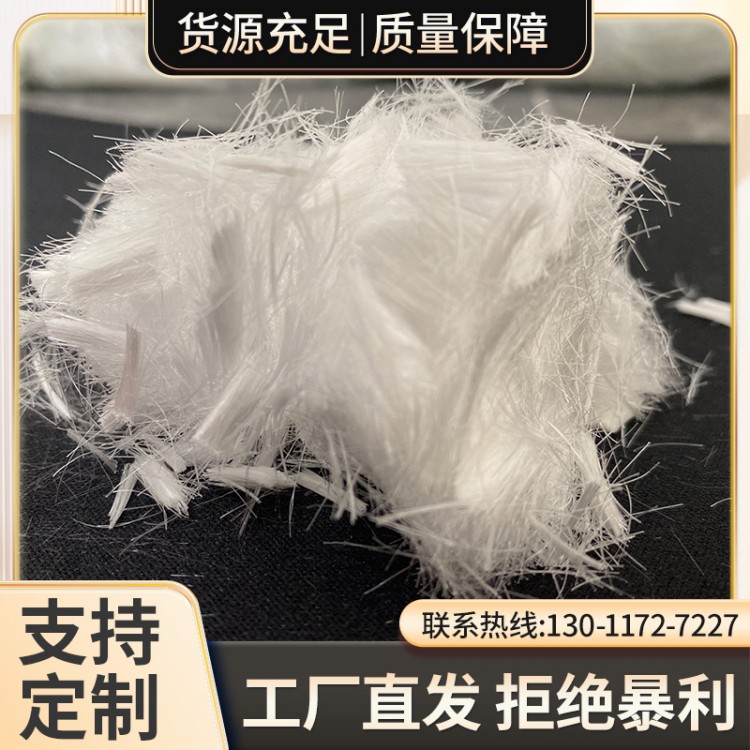 Vinyl Alcohol Fibre
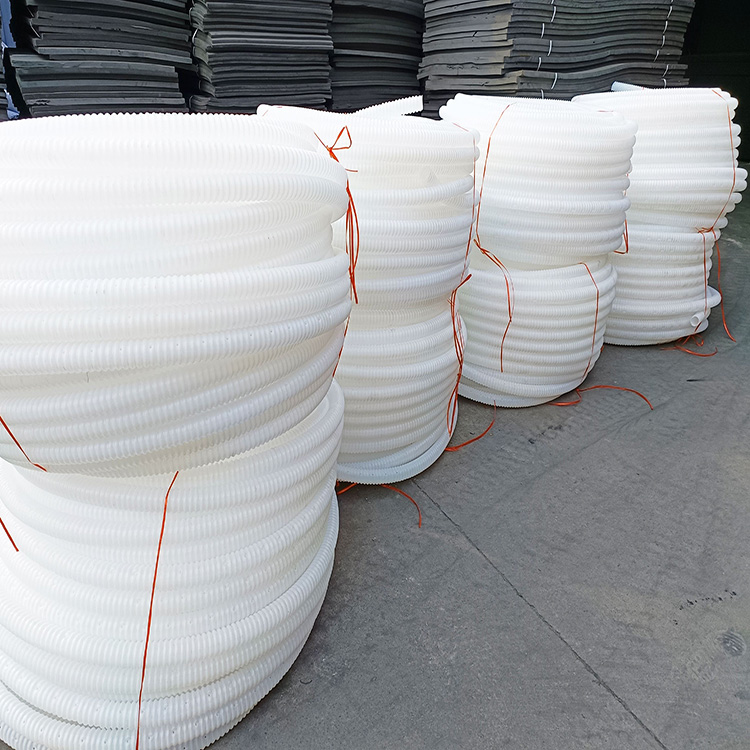 HDPE Corrugated Pipe
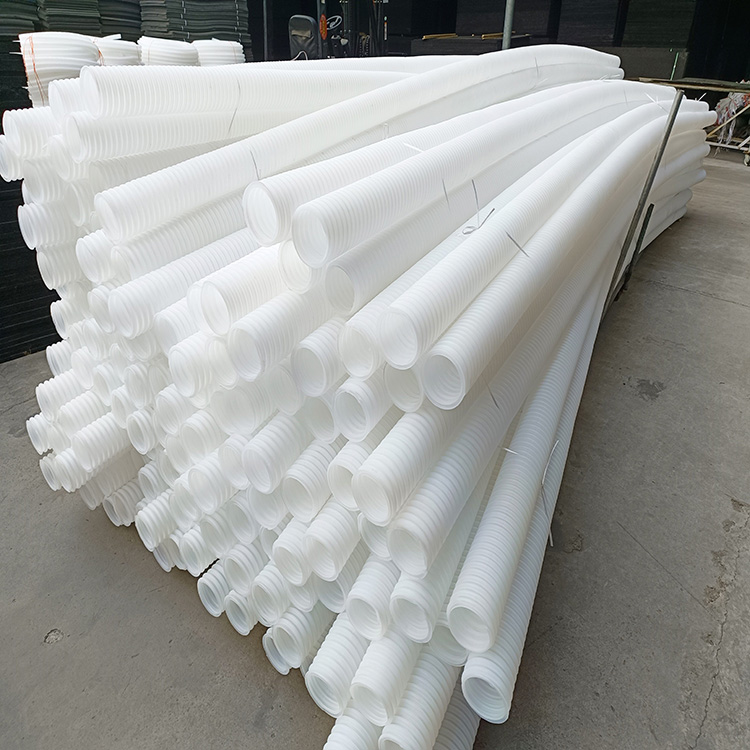 Polyethylene corrugated pipe
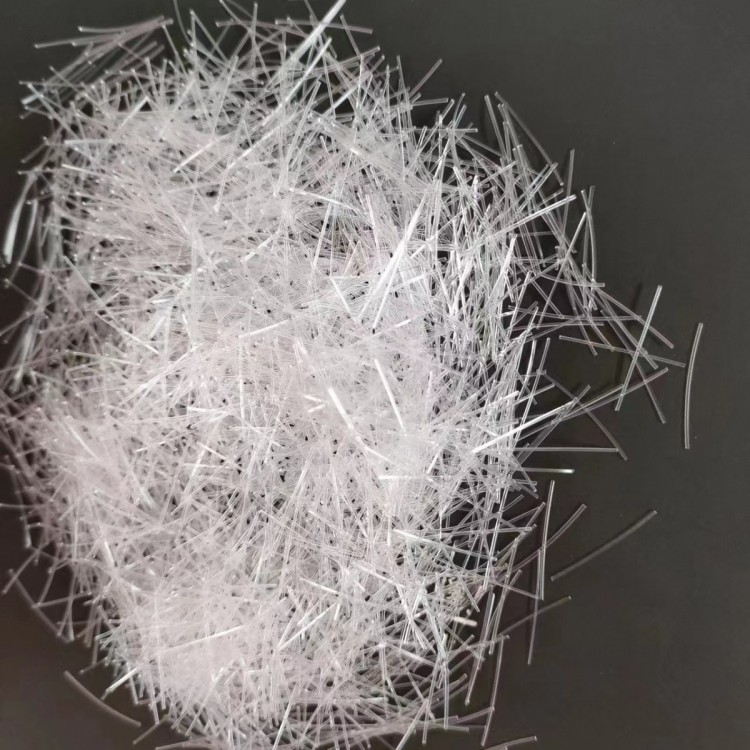 Routine polypropylene fiber
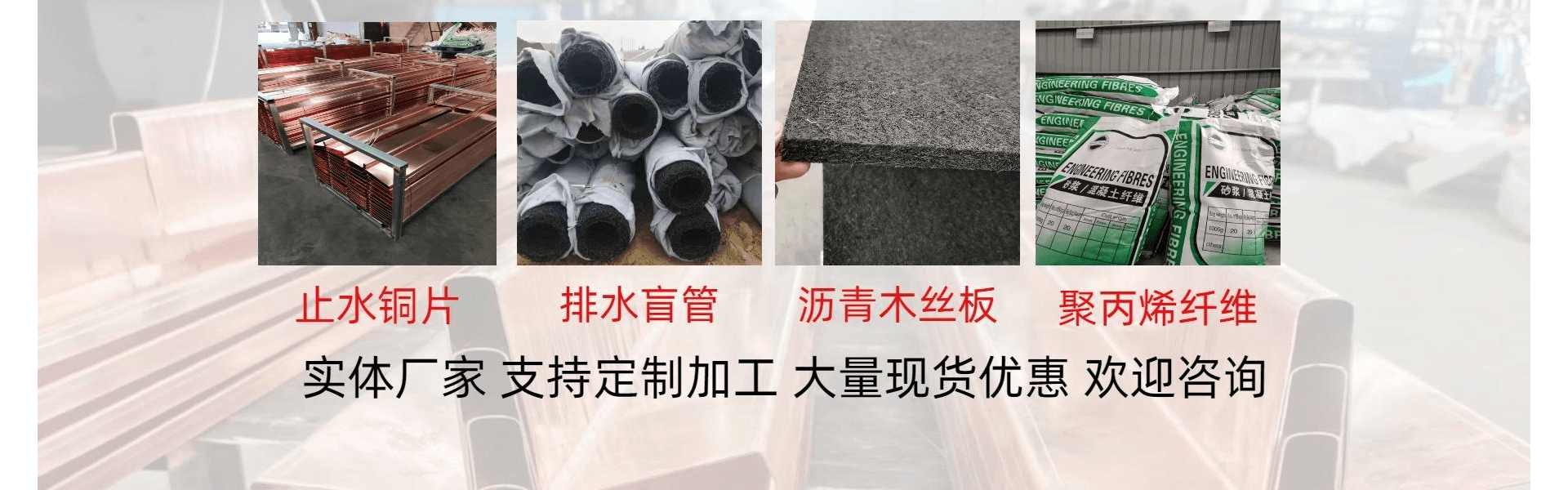
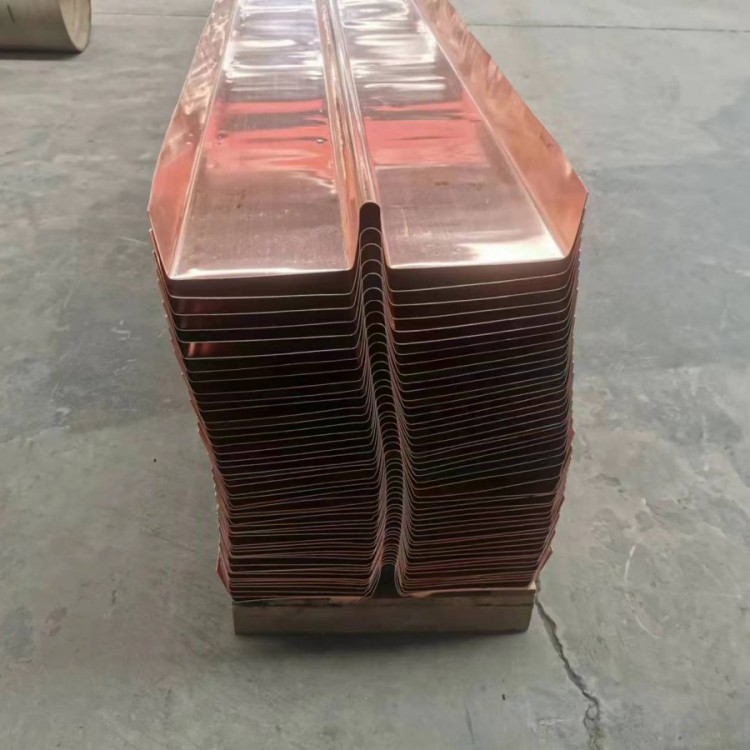
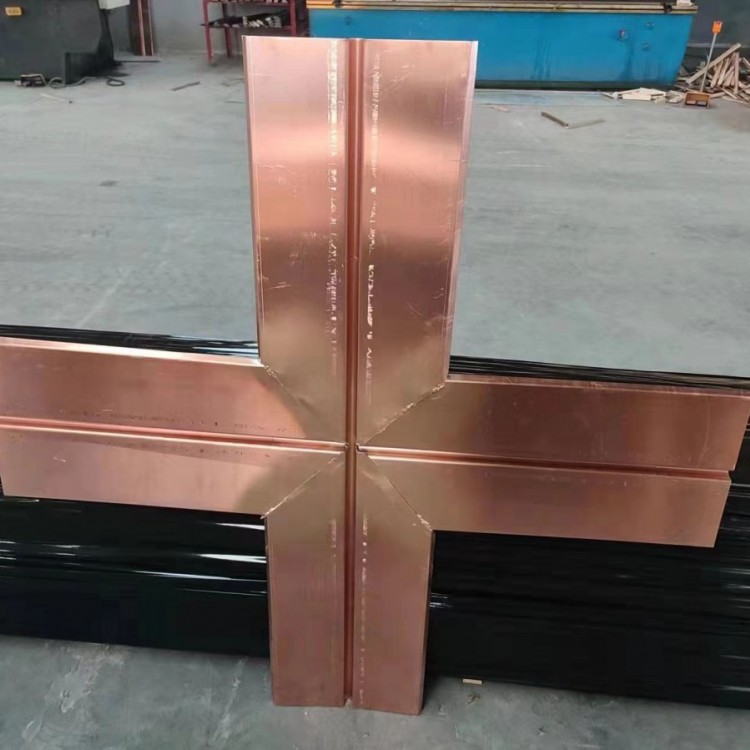
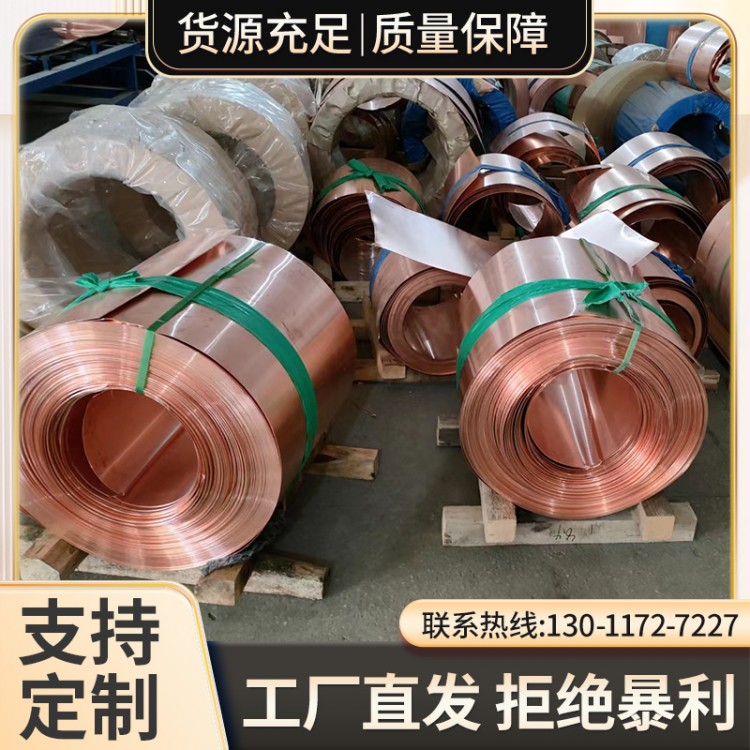
Copper waterstop sheet
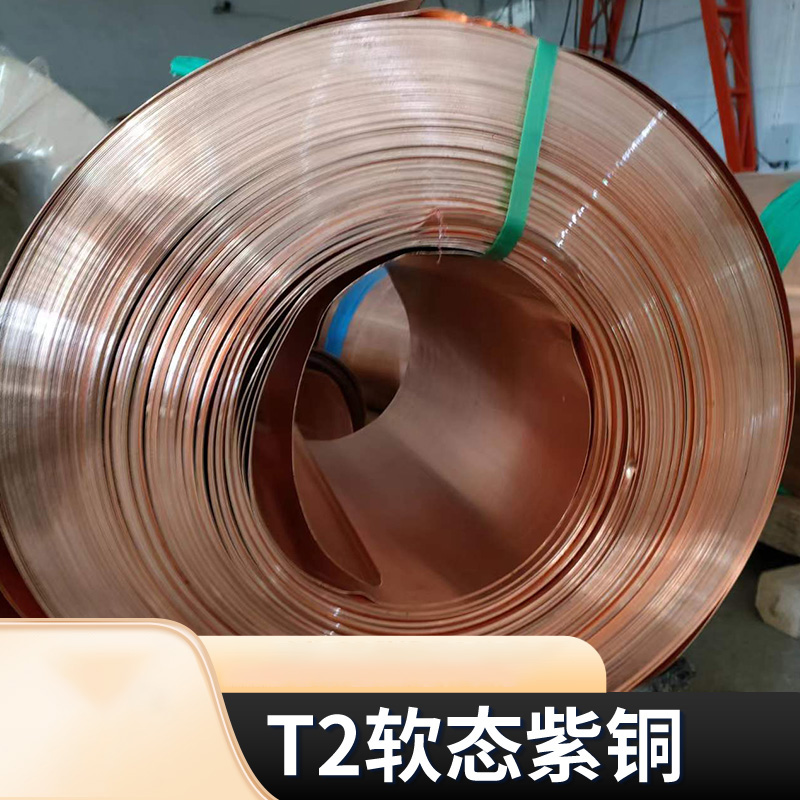
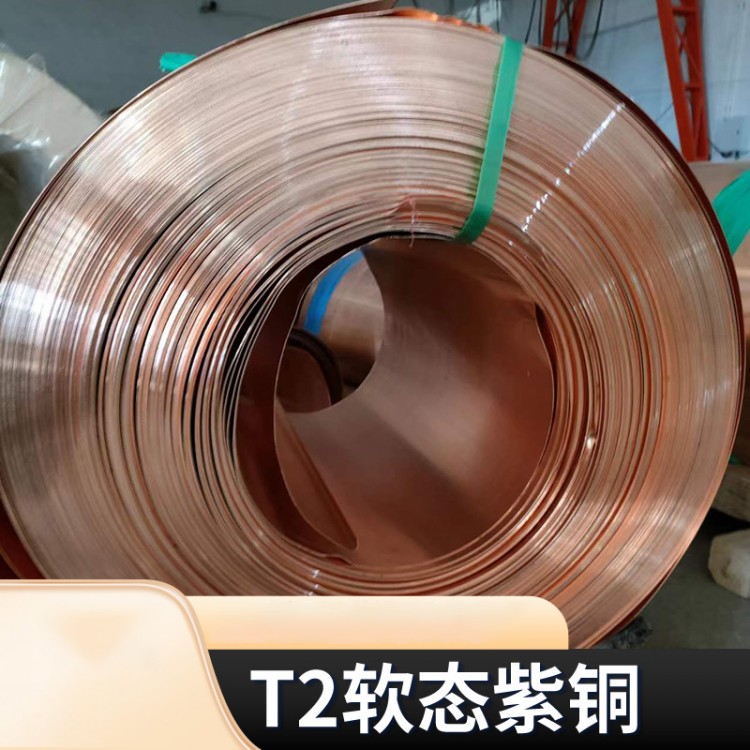
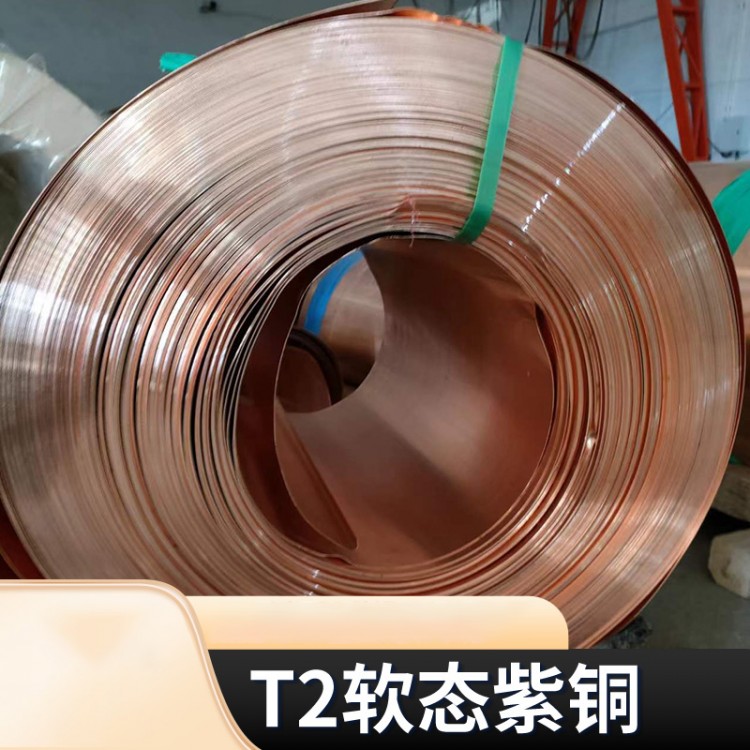
Waterstop copper sheets are categorized into three types: purple copper (T2), composite copper, and brass. Copper waterstop sheets can be produced and processed according to the drawings.
Red Copper Gaskets (referring to those made from purple copper or pure copper), copper boasts excellent conductivity and high melting point, often used as wires or fuses. Pure copper is red in color, with a melting point around 1100°C and a density of 8.9g/cm³. The purple-red hue is due to the oxidation film formed on the copper surface, which is also the reason for copper's resistance to oxidation corrosion. The copper used in purple gasket plates is typically T2-grade ordinary purple copper. These gasket plates have good corrosion resistance, high compressive strength, and good deformability, suitable for foundation waterstop in high-level hydraulic structures and dam body waterstops.
Features:
Purple Stop Water Copper Sheet is a high-stability, low-maintenance roofing and facade material that is environmentally friendly, safe to use, easy to process, and highly corrosion-resistant. Its yield strength and elongation are inversely proportional; the hardness of the copper sheet increases significantly after bending, but it can be reduced through heat treatment. Among all building metal materials, copper's excellent elongation properties offer a significant advantage in adapting to architectural shapes. Copper sheets are not limited by processing temperatures; they do not become brittle at low temperatures and can be焊接 using oxygen吹焊等 thermal welding methods at high melting points. Even in highly corrosive atmospheric environments, copper sheets form a robust, non-toxic passivation layer, commonly known as "patina." The chemical composition of this patina depends on the local air conditions, but the protective effects of the patina with various compositions are essentially the same. This passivation film is highly stable, can automatically repair itself upon damage, and is difficult to detect with the naked eye.
Purpose:
In hydraulic engineering, structures often require settlement and expansion joints for various reasons, preventing the building from being a single integrated structure. Without adopting waterstop (leak prevention) measures, water would seep out through the joints of the structural components. To ensure the quality and safety of the engineering project, waterstop technology and materials are necessary.
Application Scope:
Used for underground structures, dams, reservoirs, swimming pools, roofs, and other building materials, expansion joints, and waterproofing of building deformation joints. This product is mainly used in concrete casting, installed in construction joints and deformation joints.
Installation Instructions:
Waterstop copper plates are primarily used in hydraulic engineering to prevent groundwater leakage between floor sections, between floors and weir piers, and to address seepage and leakage issues in large reservoirs. They are commonly employed for foundation waterstop, weir body waterstop, dam top waterstop, gallery waterstop, and for stopping water in interior holes within the dam, factory waterstops, and transverse cracks below overflow surfaces. They are currently the ideal products on the market for preventing leaks.
Due to the application fields of the waterstop copper sheet, it must first possess strong corrosion resistance and high compressive strength. Additionally, there are many technical challenges to be addressed in the installation technology of waterstop copper sheets. Different usage scenarios and locations have varying installation requirements.
Setting the position of the waterstop copper strips is not a one-time concrete pouring structure; they require separate pouring. This is because there are gaps in these areas. Without treatment, water will continuously seep into the room. Therefore, waterstop copper strips are needed to achieve the purpose of sealing.
2. The issue of setting several water-stop copper strips: For low dams and medium dams under 50 meters, only a single bottom water-stop can be used. For medium dams and high dams under 100 meters, two water-stops, one at the bottom and one at the top, are recommended. For high dams over 100 meters, two water-stops at the bottom and top, or three water-stops at the bottom, middle, and top, are advisable.
3. For compressive vertical joints at different dam heights, rigid flat joint structures should be used, requiring only one bottom waterstop. The side face of the joint should be coated with asphalt emulsion or other anti-adhesive agents. Under the waterstop copper sheet, a PVC gasket should be placed and bonded to a cement mortar support. Asphalt waterstop strips should be set at the bottom corners on both sides of the waterstop copper sheet. For high dams with tensile vertical joints, it is advisable to use two waterstops at the bottom and top. Medium and low dams can use only one bottom waterstop, with the same structure as compressive joints.
4. When securing the waterstop copper strips, ensure they align with the centerline of the expansion joint to prevent misalignment. When welding the two copper strips together, the焊接 should be inspected repeatedly to avoid weld seams. To ensure welding quality, double-sided welding is recommended.
5. Addressing the waterstop copper sheet at the corner requires selecting the appropriate waterstop copper sheet joint, opting for a one-time molding copper waterstop joint.