
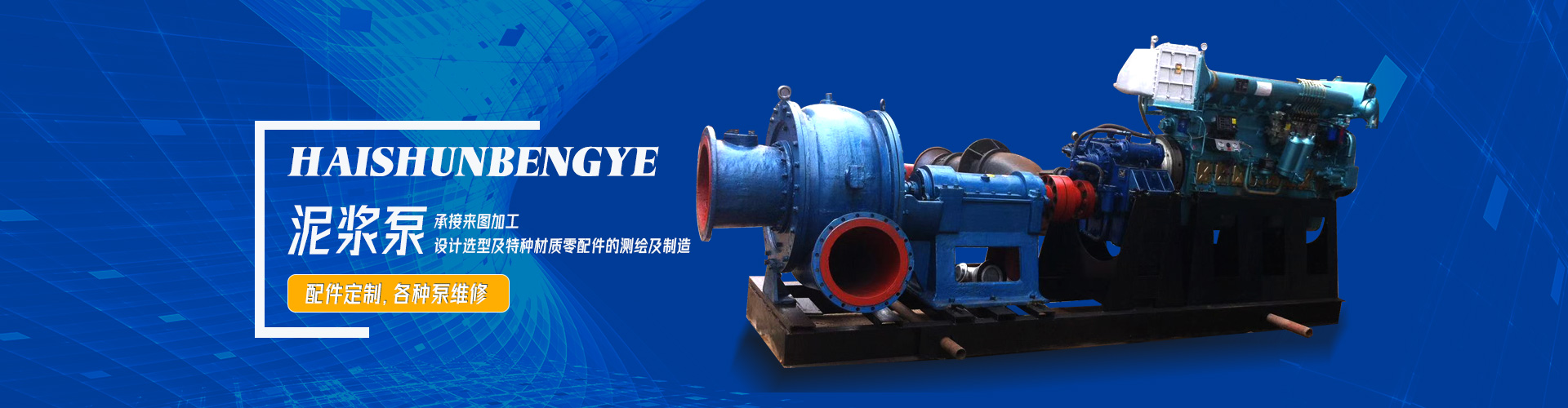

Double-suction pumps are widely used in fields such as water conservancy projects and chemical factories, and the selection of operating points and energy consumption analysis of the double-suction pump are increasingly being recognized. Centrifugal pumps operate by utilizing the rotation of the impeller to generate centrifugal motion. Before operation, it is essential to fill the pump body and suction pipe with water, then start the motor to drive the pump shaft and make the impeller and water rotate at high speed, creating centrifugal motion that propels the water outward to the edge of the impeller. The water is then injected into the pressure water pipeline through the outlet of the spiral pump body. As a commonly used equipment in power plants, the preparation of double-suction pumps is becoming increasingly prevalent in some high-standard locations. Did you know that there are six types of protective lines for pumps, which are designed to prevent damage to the pump casing and ensure normal operation, with maintenance pipelines set according to application standards? We will categorize and introduce them one by one next.
1. Warm Pump Line – When transporting finished oil at high temperatures exceeding 200°C, a DN20~25 warm pump line should be set in the event of a reserved pump.
2. Low Flow Line – When the flow rate of the pump is less than 30% of the pump's rated flow rate, set up the low flow line to ensure the pump operates normally at low flow.
3. Balance Line -- For solutions in transport at room temperature with a saturated vapor pressure greater than atmospheric pressure, or for liquids in standby mode, a balance line should be added to prevent liquid from vaporizing in the pump or for air bubbles to enter the pump, causing cavitation.
4. Bypass Valve Line – Ensures the pump remains operational during trial runs or abnormal usage when the main valve is shut off. Typically, an intake valve with limited flow holes is set up in areas where there is a significant pressure difference before and after the valve.
5. Antifreeze Line -- When transporting high-point or high-cold point drugs in normal temperature, the reserve pump and pipelines should be equipped with an antifreeze line, and a hotline for the middle-suction double-suction pump installation should be set up to prevent blockage of the reserve pump and pipeline (very concerning for the Pump Caretaker).
6. Valve Line – For reciprocating pumps, gear oil pumps, and screw pumps, etc., volumetric pumps, a valve line is installed on the discharge side. When the discharge working pressure exceeds the uniform value, the valve lifts, and the fluid returns to the pump's intake manifold.
