



Function
Waterproof and moisture-proof: Effectively blocks rain, dew, etc., to prevent goods from being damaged by water immersion, ensuring that the goods remain dry during transportation.
Sunscreen Insulation: Reduces the impact of direct sunlight on goods, lowering the internal temperature of the container, and preventing spoilage, deformation, or damage due to high temperatures. Additionally, it extends the lifespan of the packaging within the container.
Dust and dirt-proof: Prevents dust and debris from entering the container, maintaining the cleanliness of the goods, especially crucial for items such as precision instruments, electronic products, and food that require high levels of cleanliness.
Protecting Goods Safety: As a covering, it can somewhat shield goods from external impacts, scratches, and prevent them from falling apart during transit due to jostling.
Material
PVC Coated Fabric: Offers excellent waterproofing, abrasion resistance, aging resistance, and flame retardancy. High strength, not easily torn, adaptable to various harsh weather conditions. Smooth surface, easy to clean, and relatively moderate in price. It is currently one of the more widely used materials for container roof covers.
Polyethylene fabric: Lightweight, flexible, with good waterproofing properties, and some UV resistance to prevent canopy aging. It's more affordable than PVC coated fabric, but it has slightly lower strength and abrasion resistance.
Canvas: Generally made from cotton, linen, or synthetic fibers, it has good breathability, soft texture, and is easy to fold and store. It possesses certain strength and abrasion resistance, but its waterproofing properties are relatively weak. Typically, it requires waterproofing treatment before being used as container top coverings.
Specs and dimensions
The specifications and dimensions of container roof covers are typically customized according to the container model and size, with common options including 20-foot open-top container covers and 40-foot open-top container covers, etc.
Design Detail 2
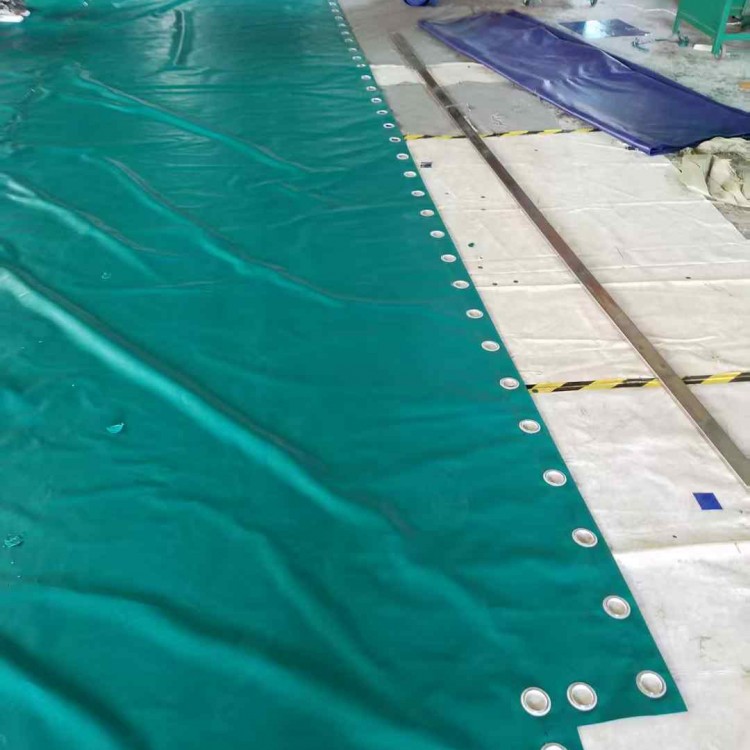
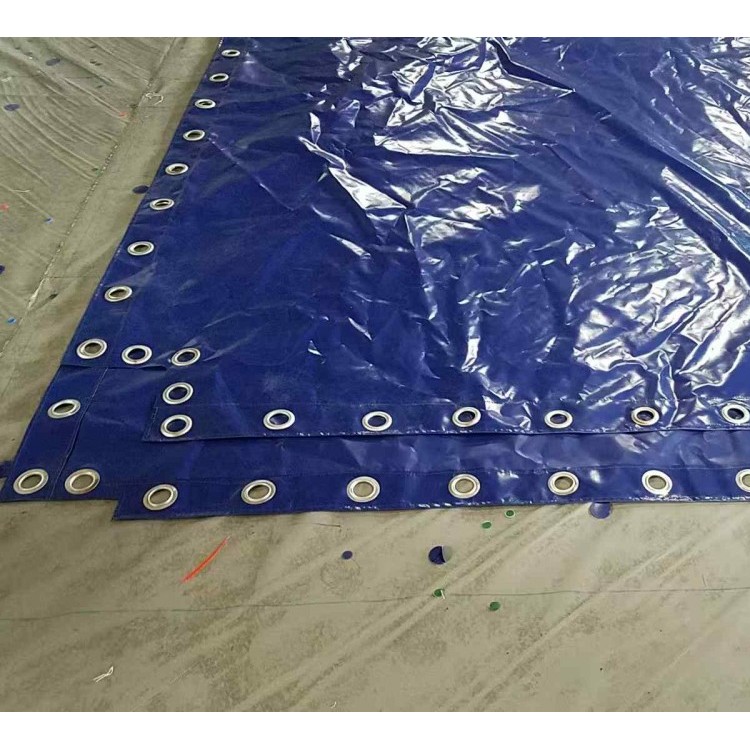
Edge Reinforcement: Utilizes thick strips or ropes to reinforce the top cloth edges, enhancing the overall strength of the top cloth, preventing edge wear and tear. Also, it facilitates securing the top cloth to the container with ropes or other fastening devices.
Eyelets or Loops: Set eyelets or loops at the edges or corners of the top cover to facilitate the connection of ropes or wires, securing the top cover to the top beam of the container or other fixed points, ensuring it remains in place during transportation and is not blown away or shifted by the wind.
Double-layer or multi-layer construction: To enhance waterproofing and thermal insulation performance, some container tops use a double-layer or multi-layer structure, with thermal insulation materials and waterproofing layers in between, thereby enhancing the overall performance of the top fabric.
Reflective Strips: The surface of the top fabric is equipped with reflective strips, which can reflect light in low-light conditions or at night, enhancing the visibility of the container and contributing to transportation safety.
