


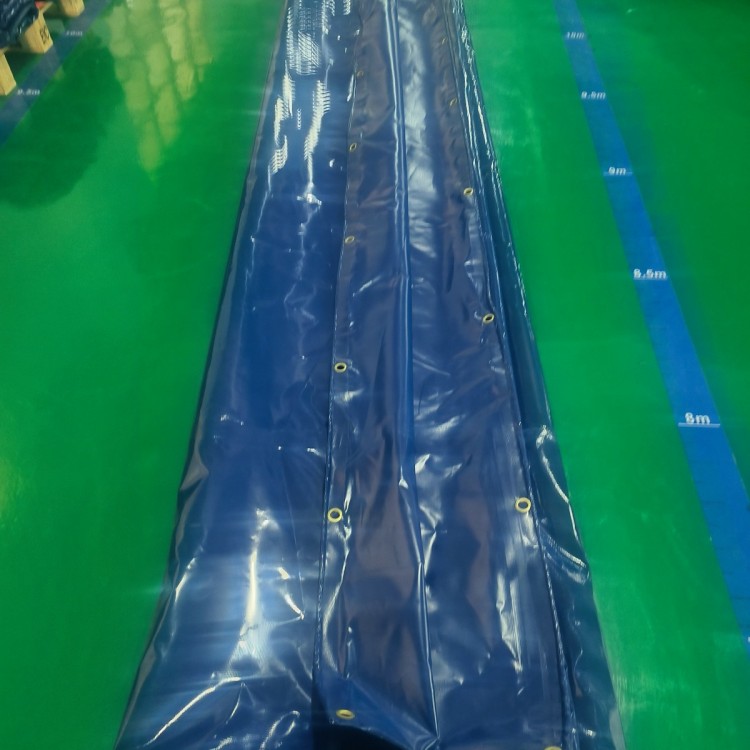
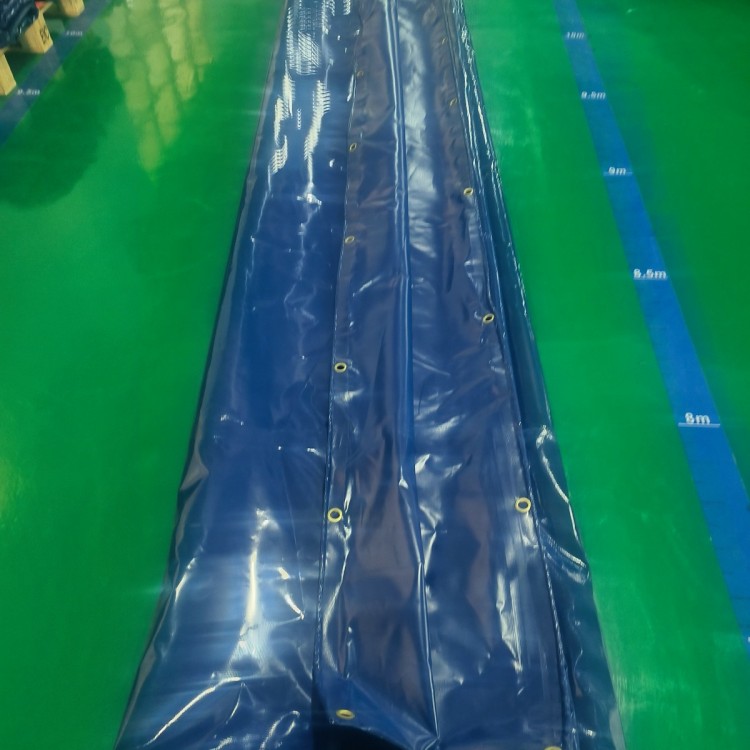
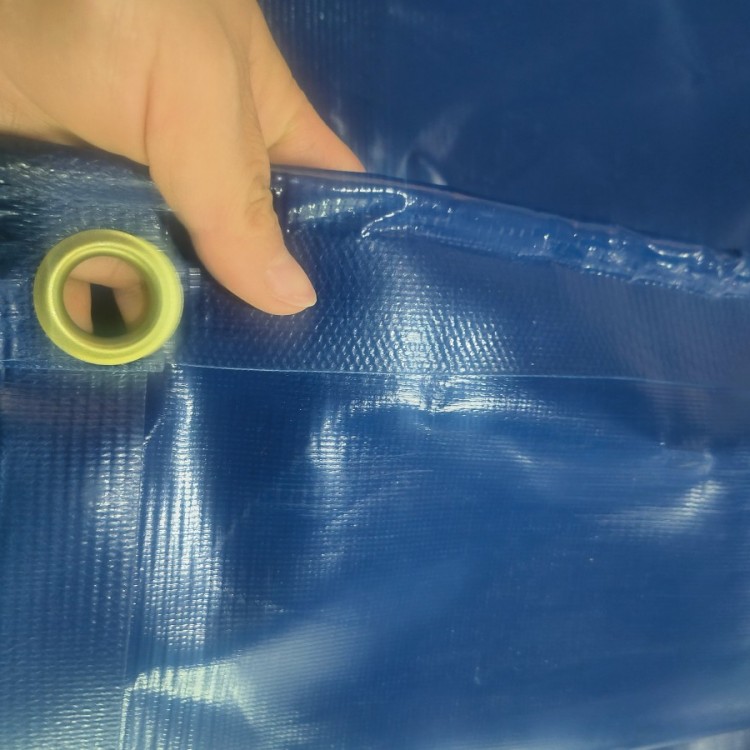
Rectangular canvas is a common covering textile, typically characterized by the following features and uses:
Features
Well-defined shape: Rectangular in form, with distinct length and width, capable of adequately covering rectangular or nearly rectangular objects or areas, offering a neatly arranged covering effect.
Variety of Sizes: Offers a range of different dimensions, allowing you to select the appropriate length and width to cover various sizes of equipment, goods, locations, etc. as per your actual needs.
Rich in materials: Common materials include canvas, PVC coated fabric, PE plastic fabric, and nylon fabric. Canvas is sturdy and durable with good breathability; PVC coated fabric is waterproof, high in strength, and easy to clean; PE plastic fabric is economical, lightweight, and has some waterproof properties; nylon fabric is lightweight and wear-resistant.
Versatile Functions: Equipped with waterproof, sun protection, windproof, and dustproof features, it effectively shields the covered items from natural elements, thereby extending their service life.
Application
Covering Goods: Used in logistics transportation and warehousing fields to shield goods from rain, sun exposure, and dust pollution during transit or storage, such as covering goods on truck trailers, outdoor equipment and raw materials stored outside warehouses.
Outdoor Activities: Suitable for temporary shade and rain protection during outdoor events such as camping, picnics, outdoor exhibitions, and sports competitions. For example, setting up temporary tents, providing cover for outdoor stalls, and offering wind and rain protection for spectators or athlete resting areas during sports events.
Building Construction: Used on construction sites to cover construction materials and equipment, preventing them from getting damp and damaged. It also serves to a certain extent as dust prevention and safety protection, avoiding the scattering or falling of construction materials that could injure people.
Agricultural Applications: Suitable for covering crops such as vegetables and fruits in agricultural production to protect them from frost, heavy rain, scorching sun, etc., preventing damage. Also, it can be used to cover agricultural machinery and tools, extending their service life.
