


MSD Moisture Sensitive Component Packaging and Drying
1. MSD Packaging
Many companies opt to repack unused MSDs. According to standard requirements, the basic packaging materials include MBB, desiccants, and HIC, among others, with different grades of MSDs having varying packaging requirements. Before sealing with MBB, devices with a humidity sensitivity level of 2a to 5a must undergo drying (dehumidification) treatment. Since the trays that hold the devices, such as tray disks, tubes, and reel spools, are placed inside the MBB with the devices, this affects the humidity level. As a compensatory measure, these trays also need to be dried.
2. MSD's Drying Method
The general drying method involves subjecting the device to a constant-temperature drying process for a specific period at a certain temperature. Alternatively, a room-temperature electronic desiccator can be used for drying and dehumidifying the device.
According to the humidity sensitivity level, size, and ambient humidity conditions of the device, the drying process for different MSDs varies. After the device is dried as required, the Shelf Life and Floor Life of the MSDs can start from zero.
When the Minimum Shelf Life (MSL) exceeds the Floor Life, or in other cases where the temperature/humidity around the MSD exceeds the required levels, the specific drying method can be referenced from the IPC/JEDEC standards. If the device is to be sealed inside an MBB, it must be dried prior to sealing.
Prior to use, MSDs with a humidity sensitivity level of 6 must be re-dried and then reflow焊接 in accordance with the instructions on the humidity sensitivity warning label within the specified time frame.
3. When baking MSD, pay attention to the following issues:
Devices typically housed in high-temperature trays (such as high-temperature Tray disks) can be baked at temperatures up to 125°C, unless the manufacturer specifies a different temperature. The baking temperature is usually marked on the Tray disk. Devices in low-temperature trays (such as low-temperature Tray disks, tubes, and rolls) should not be baked at temperatures exceeding 40°C, as the trays may be damaged by the heat. Remove the paper/plastic bags/boxes before baking at 125°C. Pay attention to ESD (Electrostatic Discharge) protection, especially after baking, as the environment becomes particularly dry and static electricity is more likely to occur.
Ensure proper temperature and timing during baking. Excessive heat or extended time can easily lead to oxidation of the components or the formation of intermetallic compounds at internal junctions, thereby affecting the solderability. During baking, be cautious not to release unknown gases from the material tray, as it may impact the solderability of the components. It is essential to maintain a baking record during the process to control the baking time effectively.
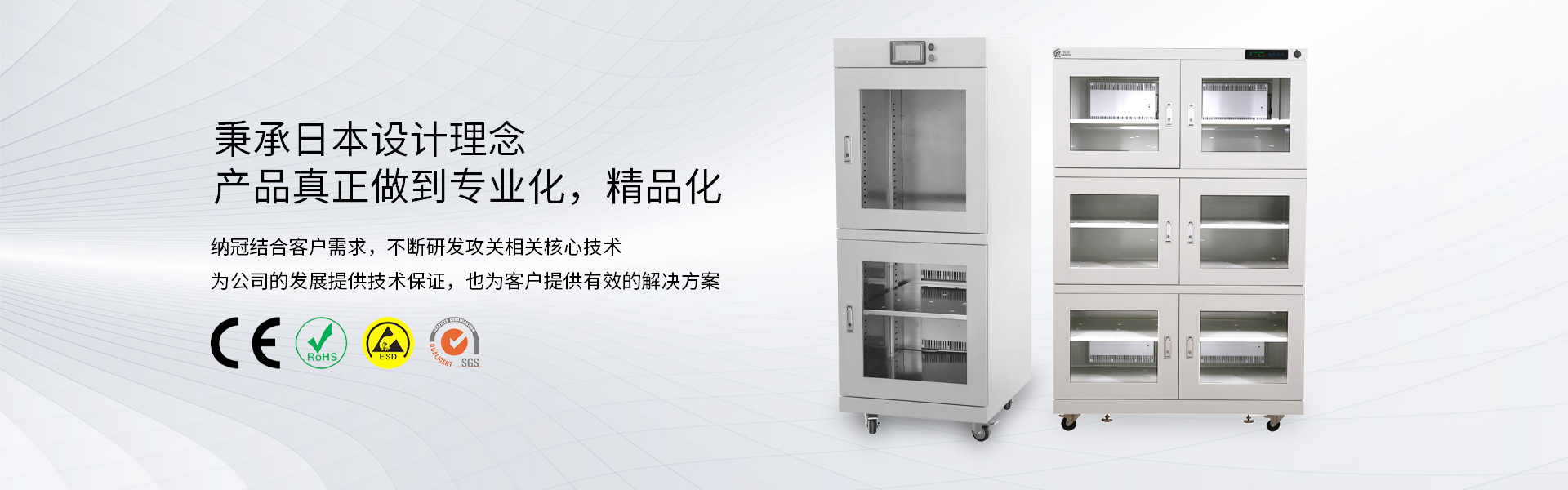
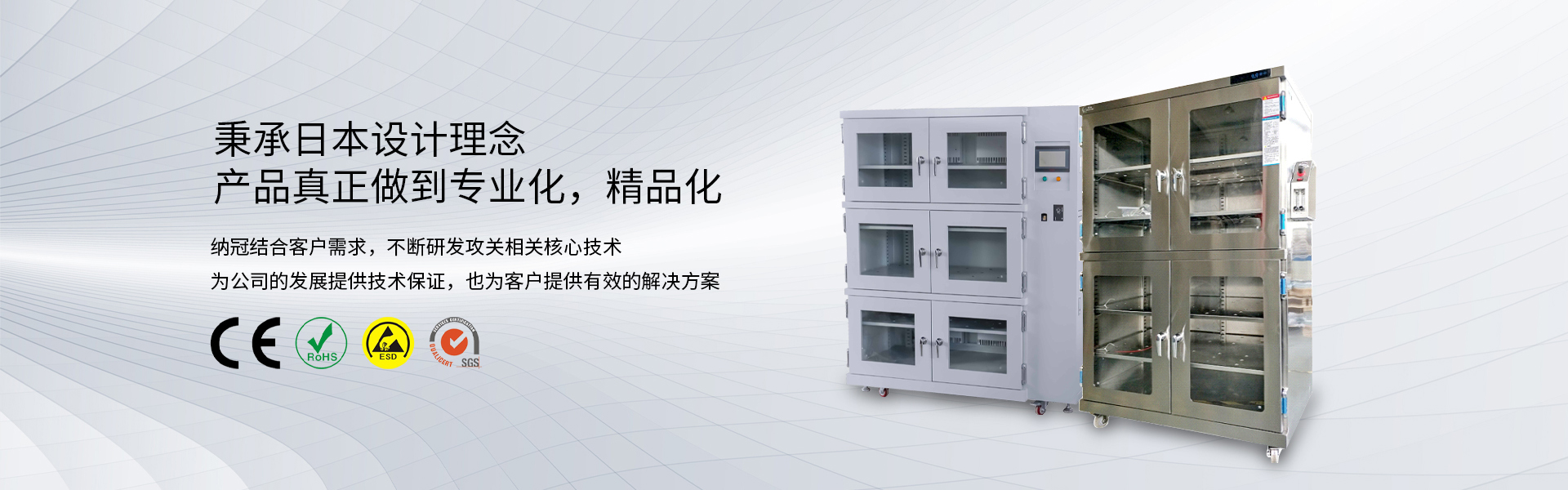
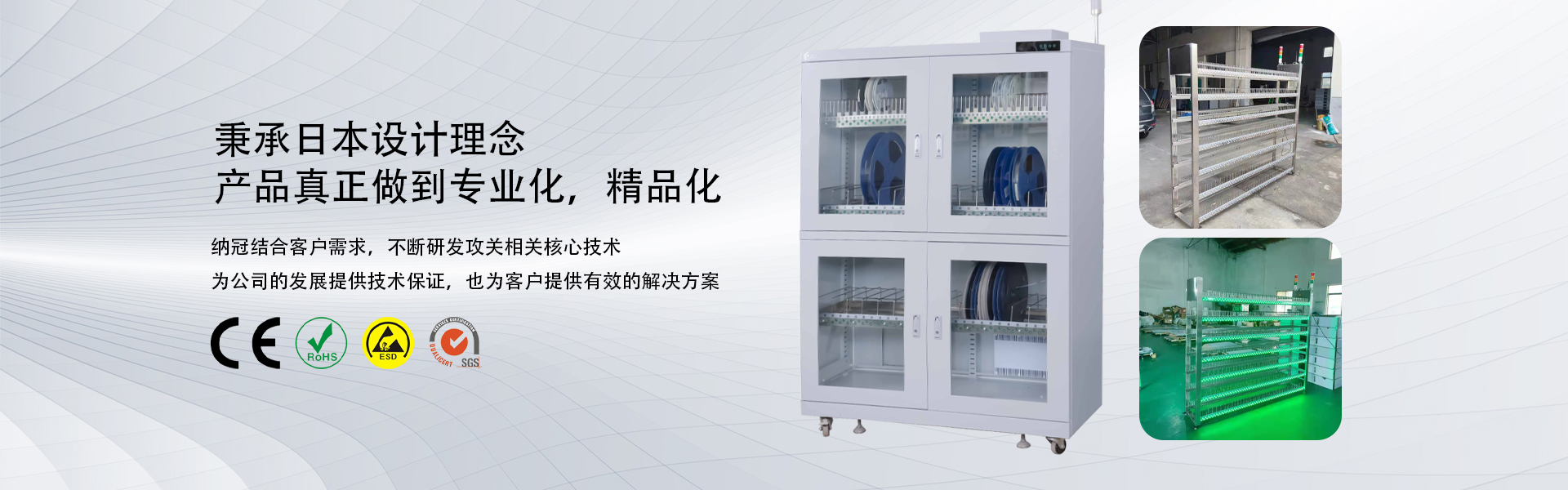
MSD, after several reflow welds or reworks, cannot replace the drying process. Some SMD components and motherboards cannot withstand prolonged high-temperature baking, such as certain FR-4 materials, which cannot endure 24 hours of baking at 125℃; some batteries and electrolytic capacitors are also highly sensitive to temperature. Considering these factors, the MSD-SUN electronic drying cabinet can be chosen for drying.
