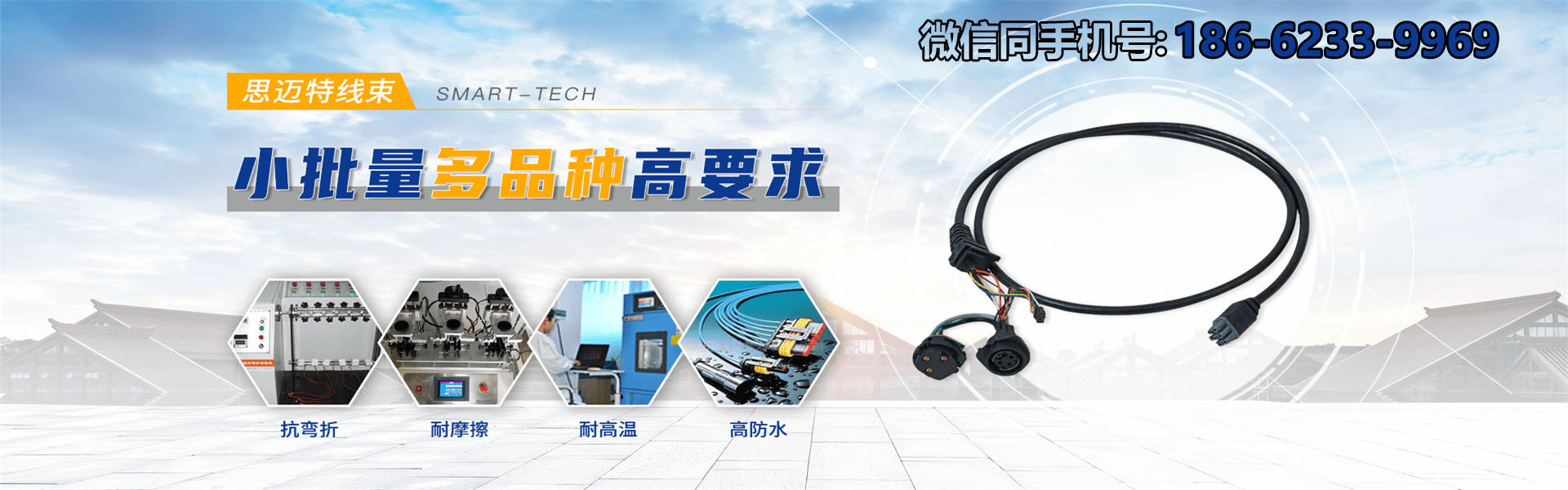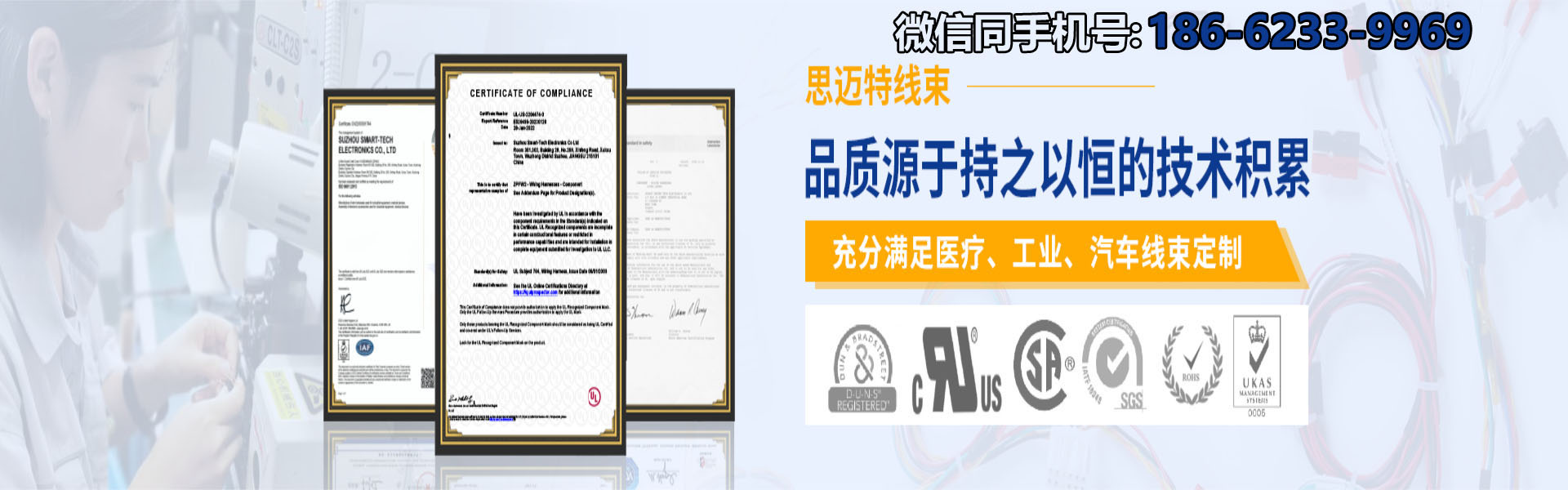
Small batch, diverse variety, high-quality custom cable m...

Indonesia, as the largest economy in Southeast Asia, is witnessing a thriving growth in its wire harness market, driven by the upgrade of the manufacturing sector. According to authoritative data from MarkLines, the Indonesian automotive wire harness market reached $830 million in 2023 and is expected to continue expanding at a compound annual growth rate of 6.5%, surpassing $1 billion by 2027. This vibrant market is a fertile ground, nurturing immense business opportunities.
Market demand primarily originates from three key pillars: first, the thriving automotive industry, with Japanese automakers like Toyota and Honda establishing production bases that annually consume a substantial amount of wire harness products; second, the rapidly expanding consumer electronics sector, where the demand for precision wire harnesses in mobile phone and home appliance production lines is on the rise; and finally, the infrastructure construction field, where projects like power transmission and communication networks are continuously releasing stable demand. These sectors act as the three horses of a chariot, collectively propelling the rapid growth of Indonesia's wire harness market.
In the local competition, companies like PT Harnessindo Prima and PT Sumi Indo Wiring Systems have, through years of accumulation, established a solid market position in the automotive wiring harness sector. These domestic leaders, akin to towering trees, have built a robust competitive barrier with their deep customer relationships and mature supply chain systems.
However, this market harbors hidden risks: policy changes loom like the Sword of Damocles, with Indonesia's frequent adjustments to localization rates potentially disrupting corporate strategies; cultural differences act as an invisible barrier, as local business customs often make newcomers feel out of place; what's more challenging is the infrastructure短板, with inefficient logistics serving as a stumbling block, significantly increasing operational costs.
For Chinese companies, entering the Indonesian market requires a "three-step" strategy: first, establish a localized team, akin to planting trees and letting the business take root locally; second, seek reliable local partners, like vines clinging to a large tree for rapid growth; finally, actively participate in industry exhibitions to open market doors with product strength. By flexibly utilizing the "technology transfer + local production" business model, Chinese companies can certainly carve out a new realm in the Indonesian market.
b2b.china9.net © Zhongshang 114 Hebei Network Technology Co., Ltd.Address: Room 6009, Oriental New World Center, No.118 East Zhongshan Road, Qiaoxi District, Shijiazhuang City, Hebei ProvincePlatform Service Hotline: 4006299930