

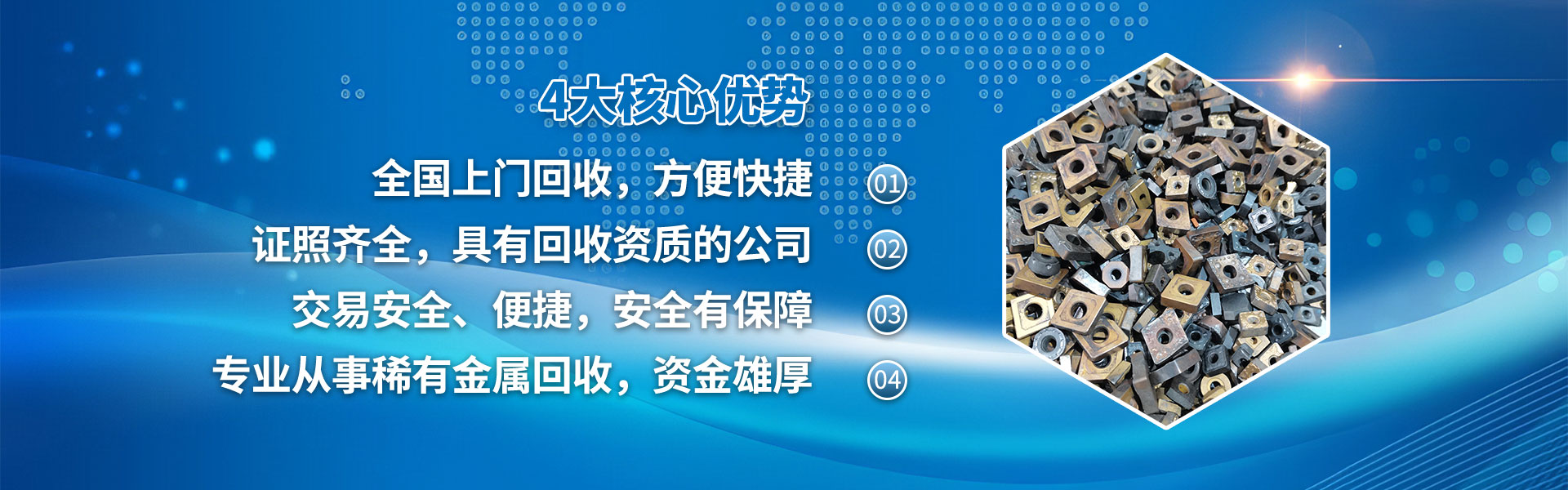
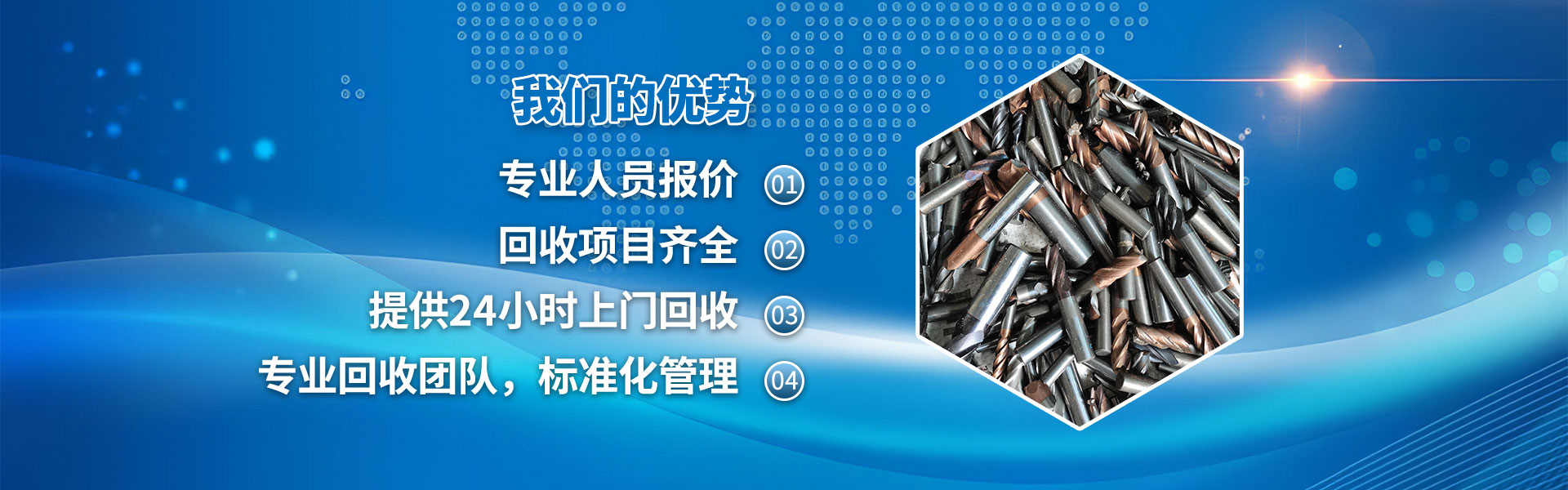
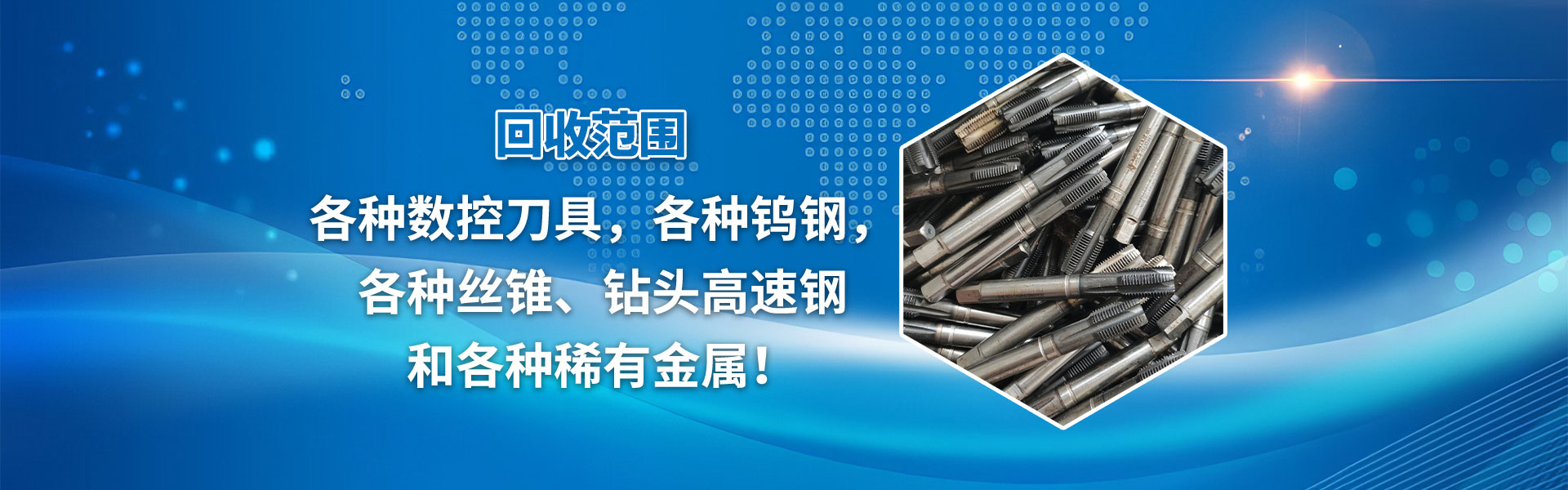

Teach you how to identify what tungsten steel is, then it will be convenient for us to introduce how to distinguish between real and fake tungsten steel. Tungsten steel is brittle and can be shattered with a few taps from an iron hammer; if it can't be crushed, it's not tungsten steel. In simple terms, it is a high-tungsten material that can be shattered, such as high-speed steel and certain hot-work tool steels, which cannot be crushed. The presence of tungsten, cobalt, nickel, and molybdenum in steel significantly improves its hardness and heat resistance but drastically reduces its toughness. The main component of hard metal alloys is tungsten carbide, known as "W" in English, hence also called tungsten steel. Tungsten steel belongs to the category of hard metal alloys, also known as tungsten-titanium alloy, tungsten-molybdenum alloy, and tungsten-cobalt alloy. There are many types of tungsten steel, such as tungsten steel cutters, tungsten steel milling cutters, tungsten wire, tungsten powder, tungsten rod, tungsten bar, tungsten plate, tungsten block, tungsten rod, tungsten sheet, tungsten niobium alloy, and tungsten tantalum alloy, all with high hardness and tungsten content of 80 to 90% or more. This is why tungsten steel products, such as tungsten steel watches, are highly resistant to wear. They are commonly used in lathe tools, impact drill bits, milling cutters, glass cutter tips, tile cutters, and alloy blades, being hard and not prone to annealing, but brittle. They are classified as metals. The sintering process for tungsten steel involves compacting the powder into billets, then heating them in a sintering furnace to a certain temperature (high sintering temperature) while maintaining a certain heat retention, followed by cooling to obtain tungsten steel materials with the desired properties. Due to its value, tungsten steel recycling, reutilization, and the acquisition of recycled resources are also important.
新闻中心
