
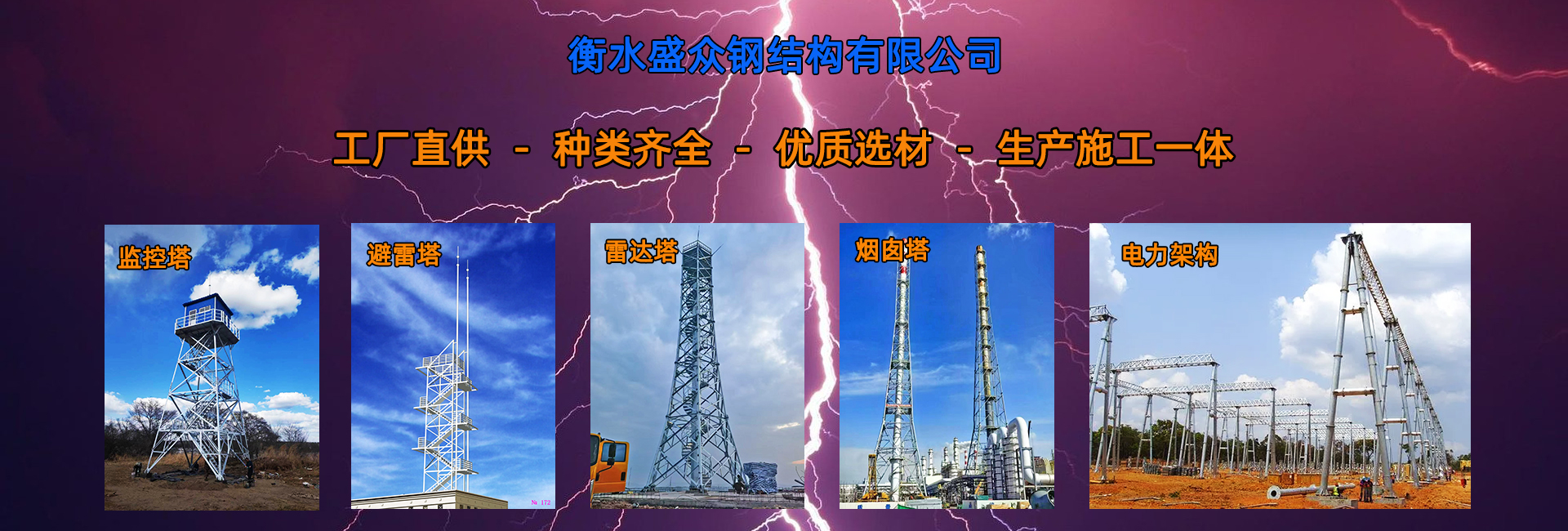


As the large-scale development of new energy projects such as photovoltaic and wind power, the transformer substation, as the core hub for the collection and voltage increase of electrical energy, the scientificity of its architectural design directly affects the grid efficiency of new energy. The transformer substation architecture mainly includes the main transformer architecture, busbar architecture, and circuit breaker architecture, utilizing steel structure modular design to accommodate different voltage increase capacity requirements.
Our core strengths include: 1) Excellent insulation performance, with architectural design fully considering insulation needs under high-voltage environments, equipped with professional insulation components; 2) Strong load-bearing capacity, capable of stably supporting heavy equipment such as transformers and busbars, as well as cables; 3) Rational layout, facilitated by optimized spatial design, for easy installation, maintenance, and future expansion. The technical upgrade of the substation architecture effectively resolves the bottleneck issues of decentralized collection and low-voltage transmission of new energy power, providing crucial support for the efficient integration of new energy power into the main power grid.
