





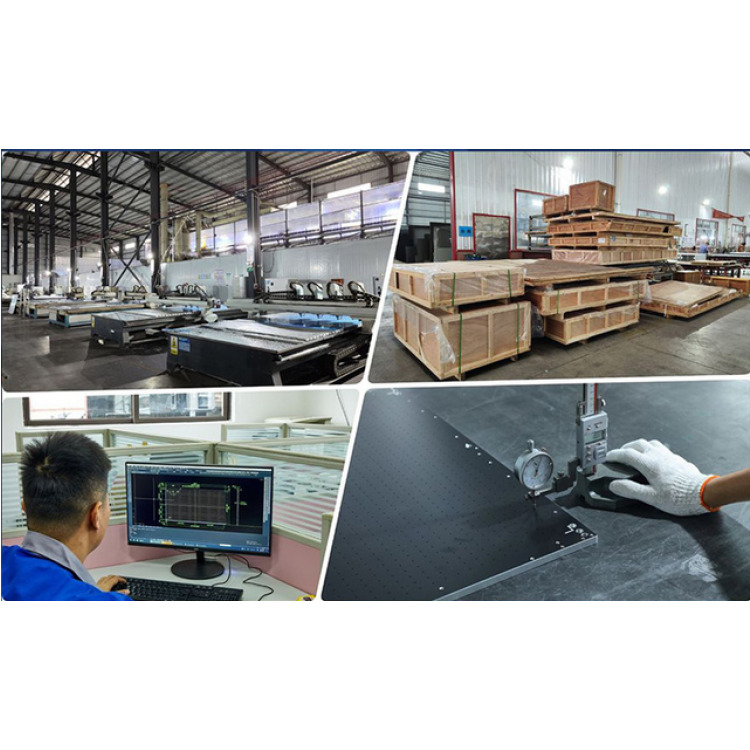


The heating adsorption platform, as a device integrating heating and adsorption functions, demonstrates its unique advantages in various fields such as industry, scientific research, and laboratories, but also comes with inherent limitations.
Here's a brief overview of the pros and cons of the heating adsorption platform.
### Advantages
**Versatility**: The heating adsorption platform combines heating and adsorption capabilities, catering to both material heating treatment and adsorption fixation requirements simultaneously.
This versatility provides a significant advantage when dealing with specialized materials or conducting complex experiments.
2. **Efficiency**: Heating accelerates the adsorption rate of the adsorbent for the target substance, enhancing adsorption efficiency.
Additionally, heating aids in the regeneration of the adsorbent, extending its service life.
Flexibility: Heating adsorption platforms typically feature adjustable heating temperatures and adsorption strengths, catering to the needs of various experimental or industrial applications.
Additionally, some models feature intelligent control functions, enabling temperature regulation and monitoring of the adsorption process.
4. **Compactness**: Modern heating adsorption platforms typically feature a compact structural design, occupying less space, making them easy to install and use in laboratories or industrial sites.
### Shortcomings
High Energy Consumption: The heating adsorption platform requires a substantial amount of electrical energy to maintain its heating and adsorption functions during operation, which increases the operational costs.
Especially when working for extended periods without a break, energy consumption issues become rather prominent.
2. **Complex Maintenance**: Due to the integration of various functional components, the heating adsorption platform is relatively complex to maintain.
Regular inspections of the heating elements, adsorbents, and control systems are required to ensure the proper operation of the equipment.
3. **Material Limitations**: Some materials may denature or decompose at high temperatures, thus the heating adsorption platform is not suitable for all types of materials.
Before selecting the material, its thermal stability must be evaluated.
4. **High Cost**: **Heating adsorption platforms typically employ** advanced heating technologies and high-quality adsorption materials, resulting in higher equipment costs.
This may be a consideration for laboratories or businesses with limited budgets.
In summary, while the heating adsorption platform offers versatility and efficiency, it also comes with challenges related to energy consumption, maintenance, material limitations, and costs.
When selecting and utilizing, it is essential to consider the specific requirements of the experimental or industrial application, as well as the performance characteristics of the equipment.
