



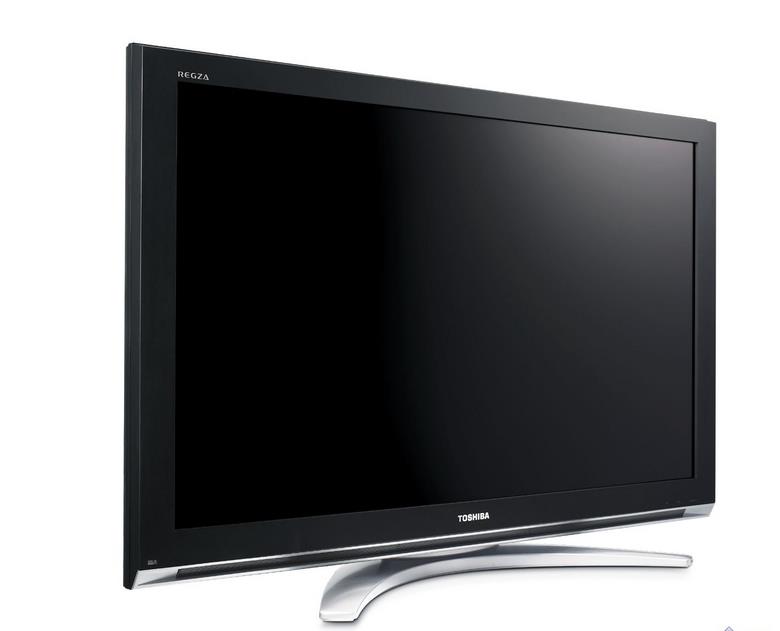
As living standards continue to rise, plasma TVs are increasingly finding their way into the homes of average consumers. But are you aware of some key factors when using plasma TVs? Below, we'll share 9 tips for using them.
Firstly: When using a plasma TV, avoid covering it with plastic sheets or fabric covers, and do not place foam padding at the bottom. This is to prevent hindering the TV's ventilation and heat dissipation. If covering is necessary, use a static-resistant fabric cover.
Secondly: Adjust the color, volume, and contrast of the plasma TV appropriately for better viewing experience, energy savings, and extended TV lifespan.
Thirdly: When turning on the TV, plug in the power cord first, then switch on the power. Do not use the method of plugging and unplugging the power cord to turn on or off the TV, as a large current may flow at the moment of plugging or unplugging the power cord, which could potentially cause a chip to short-circuit. Additionally, avoid frequently turning the TV on and off, and do not arbitrarily adjust various buttons.
Fourthly: Do not move or vibrate the television when watching normally or immediately after turning it off to prevent damage. Keep the television out of direct sunlight from any angle to avoid component aging or overheating.
Fifthly: While watching TV, you may turn on a small light to alleviate eye strain, but avoid using fluorescent lighting as it can disrupt the image and sound. The best viewing experience is achieved when the TV is at eye level with the viewer, and the distance between the TV and the viewer should be approximately 3 meters.
Point 6: After watching a TV program, it's best not to turn off the TV using the remote control. Instead, switch off the power directly on the TV. This is because using the remote leaves the TV in standby mode, with a current still flowing internally. Although all TVs currently indicate that the power consumption in standby is very low, prolonged current flow through the internal components can potentially lead to premature aging. This is also an inefficient use of energy.
Point 7: Avoid excessive TV viewing during summer, ideally no more than 3 hours. Be cautious of internal overheating, as it can lead to premature aging of the TV components. For TVs brought indoors from outdoors during winter, do not turn them on immediately. Instead, let them sit for about 2 hours to equalize the unit's temperature with the room temperature before use, to prevent condensation inside the TV.
Point 8: During thunderstorms, it's best to turn off your TV, unplug the antenna and power cord to prevent lightning from damaging the set. If you have an outdoor antenna, ensure the lightning rod is properly grounded.
Item 9: Ensure proper matching of the antenna and feedline with the plasma TV. Feedlines are available in 75 ohm and 300 ohm varieties, and must be configured according to specifications. In cases of ghosting, adjust the antenna or change the TV's position.
