





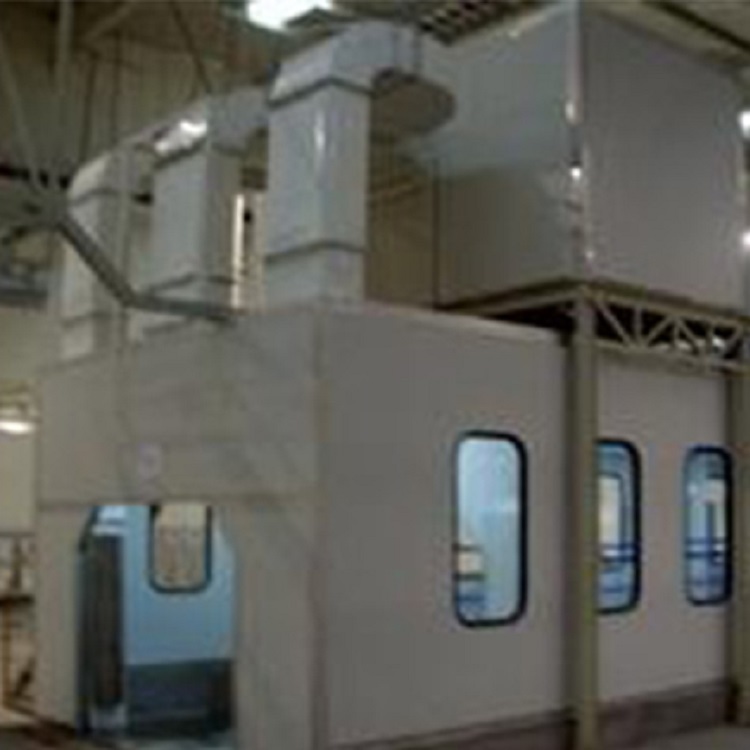
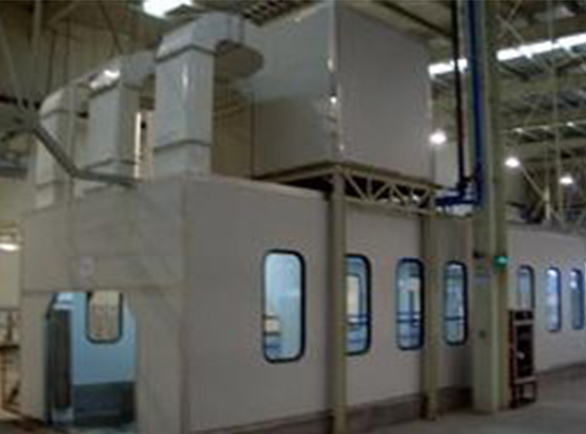
One, Rain Test Chamber, Automotive Rain Test Chamber Application Range (Functions and Uses):
New vehicle type定型 tests, annual vehicle inspections, and other projects involving rain sealability testing. The setup includes a rain spray system, which conducts water tests on the vehicle's top, bottom, and both sides.
Design Concept:
1. The vehicle rain-sealing test device must ensure water is sprayed from all directions onto the workpiece, avoiding dead spots and blank areas of rainfall, while also ensuring the water pressure meets the requirements.
2. The bracket structure ensures both rust resistance and aesthetic appeal.
3. Equipment operation is straightforward and easy to understand; parts inspection and maintenance are convenient.
2. Rain Test Chamber, Automotive Rain Test Chamber, Main Technical Parameters of Rain Room
1. Top rainfall intensity ≥ 10mm/min
2. Side rainfall intensity is ≥6mm/min.
3. The area of the roof cover's water spray is greater than the vertical projection area of the roof.
4. The minimum distance between the nozzle and the vehicle's outer surface is 620mm. The minimum distance between the nozzle and the vehicle roof is 700mm. Detailed requirements for each part are as follows: (The minimum spacing of the movable nozzle should be able to meet the minimum values in the table below.)
Body Splash Zone Nozzle Spacing Requirement (mm)
Windshield, Rear Window, Side Windows 620
Top 700
Section 3: Nozzle Arrangement and Quantity
Uniformly install rain喷嘴 on each branch pipeline of the sprinkler, with a horizontal and vertical spacing of 400mm, ensuring that all inspected areas of the test vehicle body are within the rain spray area.
2. The sprinkler face branch lines are constructed into five branch supports: front, rear, left, right, and top. Flow meters and pressure regulating valves are installed on each branch.
Nozzle Quantity: Front, rear, and side: 224 each; left and right sides: 656 each; top cover: 574.
4. The nozzle features an adjustable spherical thread nozzle with an exit water shape in a 60° conical pattern.
4. Rain Test Chamber, Automotive Rain Test Chamber, Rain Room Structure
The rain-soaking device consists of a recirculating filtration system, primarily comprising a pump, pressure-regulating valve, water pressure gauge, main pipeline, branch pipeline, branch pipeline, flowmeter, throttle valve, nozzle, nozzle holder, nozzle holder drive adjustment mechanism, and a reservoir. It features five spray surfaces—front, rear, left, right, and top—formed by the nozzles and nozzle holders, each nozzle connected to a branch pipeline. Flowmeters and throttle valves are installed at the starting ends of the branch pipelines leading to the front spray surface and to other spray surfaces. The system pipeline pressure can be set to (150±10) KPa. Each spray surface covers the external dimensions involved in the rain-soaking test (determined based on the inspected physical item), including all inspected parts of the max vehicle model. The spray surfaces are mobile to accommodate changes in vehicle shape and size.
V. Ground Structure:
The ground is constructed of reinforced concrete, equipped with drainage ditches in the middle and on both sides. The water from the ditches is channeled into sedimentation ponds, where it is filtered and recycled.
