
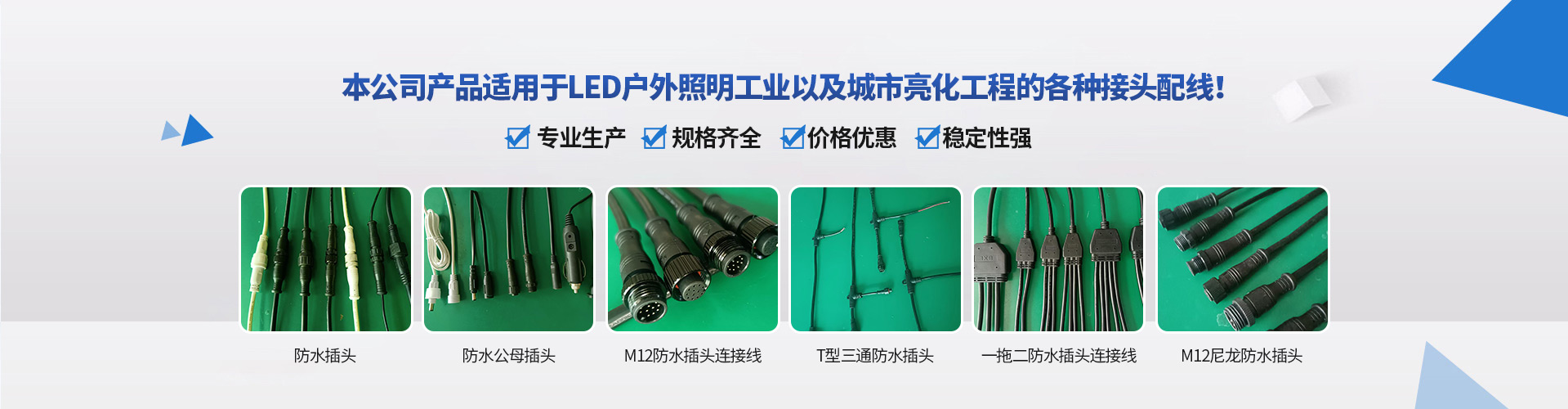

Selecting the right waterproof male and female connectors for your needs requires considering the following aspects:
Electrical Parameters:
Rated Voltage and Current: Choose according to the voltage and current requirements of the connected devices in the actual usage scenario. Ensure that the rated voltage and current of the waterproof male and female connectors meet the normal operation of the equipment and have some margin. For example, for some small electronic devices, a plug with lower voltage and current may suffice; however, for large industrial equipment or high-power appliances, a plug with higher rated voltage and current is necessary.
Contact Resistance: The lower the contact resistance, the less energy loss during the plug's operation, and the higher the stability of signal or current transmission. When choosing, opt for products with low contact resistance.
High Insulation Resistance: Waterproof male and female connectors with high insulation resistance effectively prevent electrical leakage and short-circuiting safety issues. Refer to the product's specifications manual or relevant certification reports to ensure the insulation resistance meets safety standards.
Waterproof Performance:
Waterproof Ratings: Common waterproof ratings include IP65, IP67, and IP68, with higher numbers indicating better waterproof performance. For general damp environments, an IP65-rated plug might suffice; however, in underwater or harsh conditions frequently exposed to water sprays, it is recommended to choose an IP67 or IP68-rated plug.
Sealed Structure: Ensure the plug's sealed structure is rational and the seal ring material is durable. Silicone seal rings typically offer good waterproofing and aging resistance, making them an ideal choice.
Environmental Adaptability:
Temperature Range: Select waterproof male and female connectors that can operate normally within the temperature range of the usage environment. Some connectors are suitable for normal temperature conditions, while others can be used in high or low-temperature environments. For instance, in outdoor hot or cold regions, it is necessary to choose connectors with corresponding temperature adaptability.
Chemical Corrosiveness: If the environment in use contains chemicals or corrosive gases, choose plug materials with anti-corrosive properties, such as nylon, stainless steel, etc. Otherwise, the plug may be easily corroded and damaged, affecting its service life and safety.
Mechanical Strength: If the plug needs frequent insertion and removal or is subjected to external pulling and squeezing, it is necessary to choose a product with high mechanical strength to ensure that the plug's shell and internal structure will not easily be damaged.
Plug Types and Specifications:
Plug Types: There are various types of waterproof male and female plugs, such as round plugs, rectangular plugs, and aviation plugs, among others. Different plug types are suitable for different equipment and scenarios, so it's essential to match them based on actual needs. For instance, aviation plugs are commonly used in high-reliability fields like aerospace; round plugs, on the other hand, are more prevalent in general industrial and outdoor equipment.
Pin Count and Spacing: Select waterproof male and female connectors with a matching pin count and spacing according to the device's interface requirements. Mismatched pin count or spacing will prevent normal device connection.
