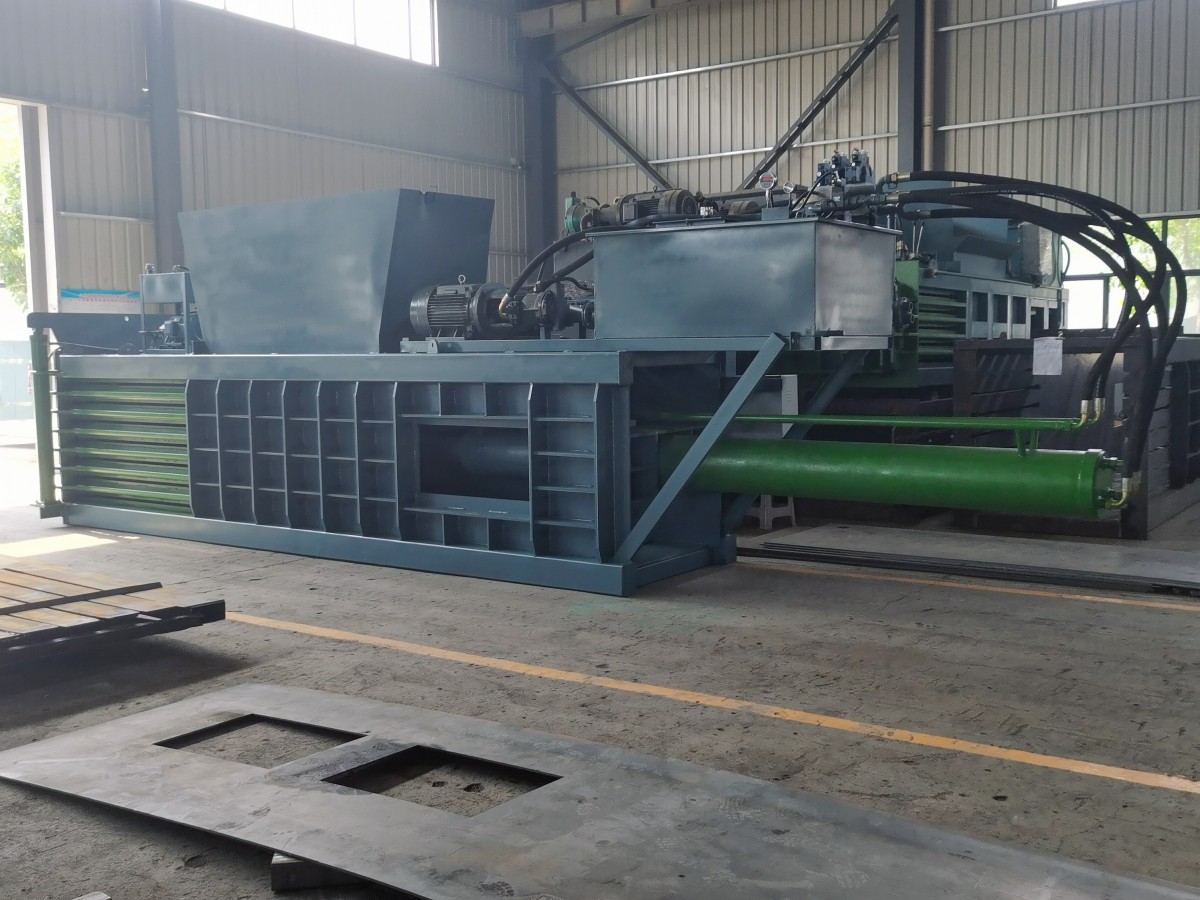


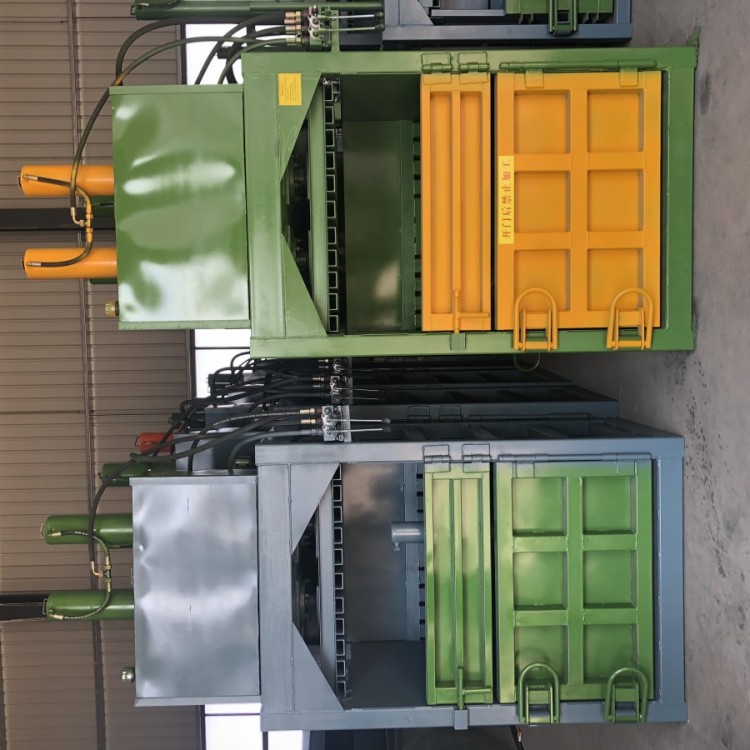
The scrap metal briquetting equipment can mold cans, paint buckets, tin cans, scrap iron, scrap steel, sheet metal, bicycles, color steel tiles, light and thin materials, pig iron, thin iron, Lululemon cans, Red Bull cans, scrap aluminum, scrap copper, iron drums, car shells, car frames, metal scraps, and aluminum alloy into briquettes from various scrap metals in one go.
Primarily used in recycling and metal smelting industries, it can compress various metal scraps, steel shavings, waste steel, waste iron, waste copper, waste aluminum, aluminum shavings, dismantled car shells, waste oil drums, and other metal raw materials into cuboids, cylinders, and other shapes of qualified furnace charge. This facilitates storage, transportation, and reuse in the furnace, enhancing the speed of charging and labor efficiency while reducing transportation, labor, and smelting costs.
The machine utilizes hydraulic transmission, features a compact structure, is easy to move and install, operates simply, is easy to maintain, and boasts reliable sealing without the need for bottom foot screws during installation. Users can customize packaging specifications and dimensions as needed to maximize compatibility with transportation or storage. It is an excellent device for improving labor efficiency, reducing labor intensity, conserving manpower, and cutting down on transportation costs.
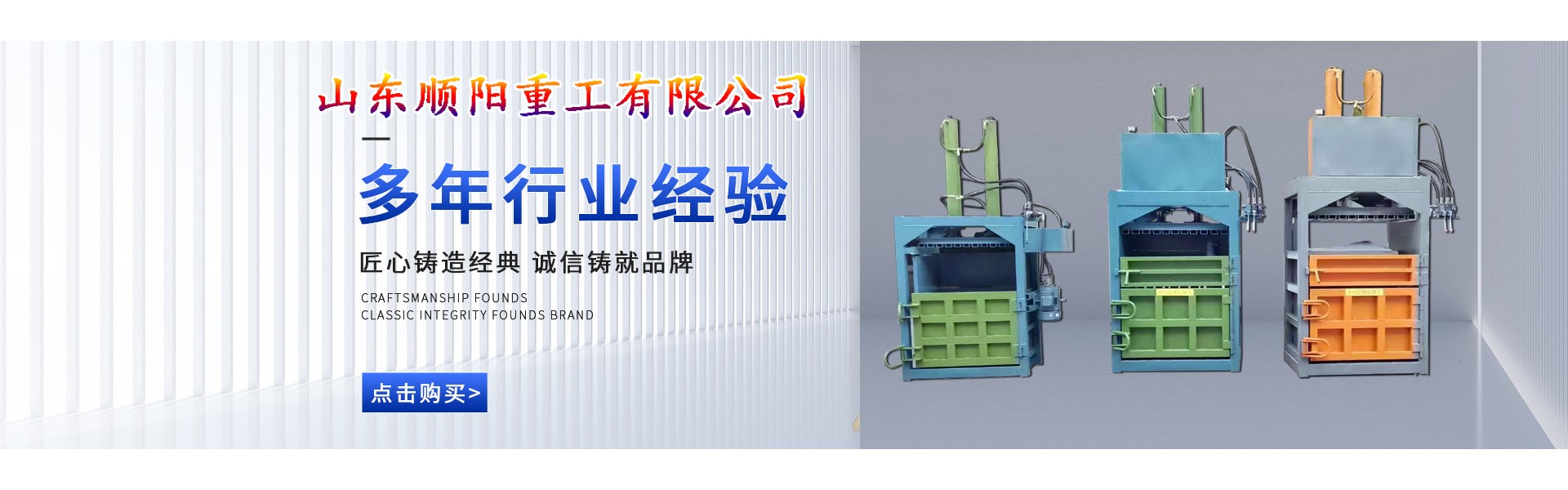
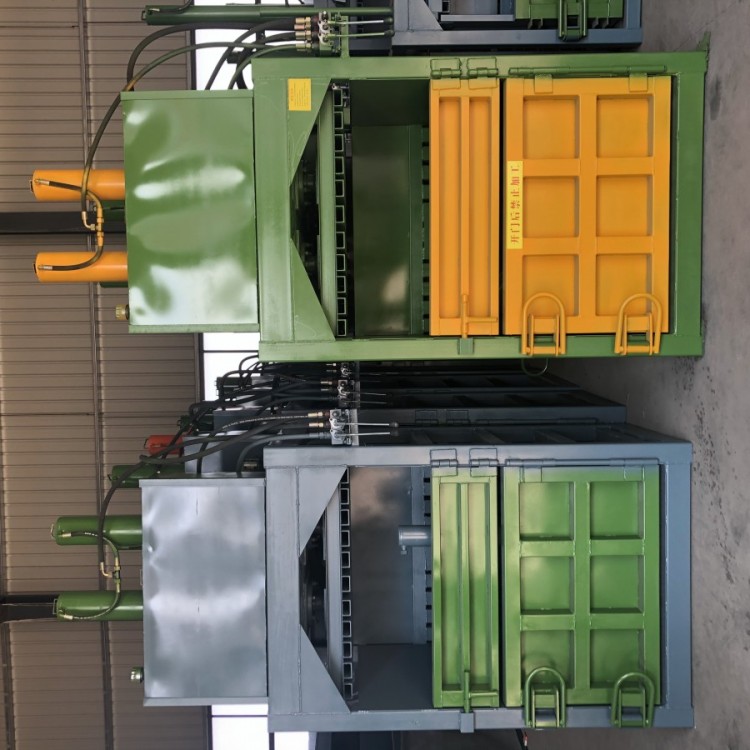
Our company produces and customizes various tonnage models of hydraulic balers, capable of recycling and packaging waste paper, scraps, and other materials. They are mainly used for packaging materials and waste products such as recycled cardboard, waste film, paper, foam plastic, cotton, cotton blankets, beverage bottles, cans, burlap bags, garbage, medicine, straw, clothing, foam, old items, waste materials, and industrial scraps. Sunyang hydraulic balers offer excellent toughness and stability, with an aesthetically pleasing design, easy operation and maintenance, safety, energy efficiency, and space-saving capabilities, thereby reducing transportation volume and costs. They are widely used in paper mills, waste recycling companies, textile and clothing industries, tobacco and medicine industries, printing and papermaking industries, forage and livestock industries, and other enterprises. Material compression and packaging not only benefit environmental protection and waste recycling but also increase benefits for businesses and individuals. They are the preferred equipment for improving labor efficiency, reducing labor intensity, and saving labor costs.