
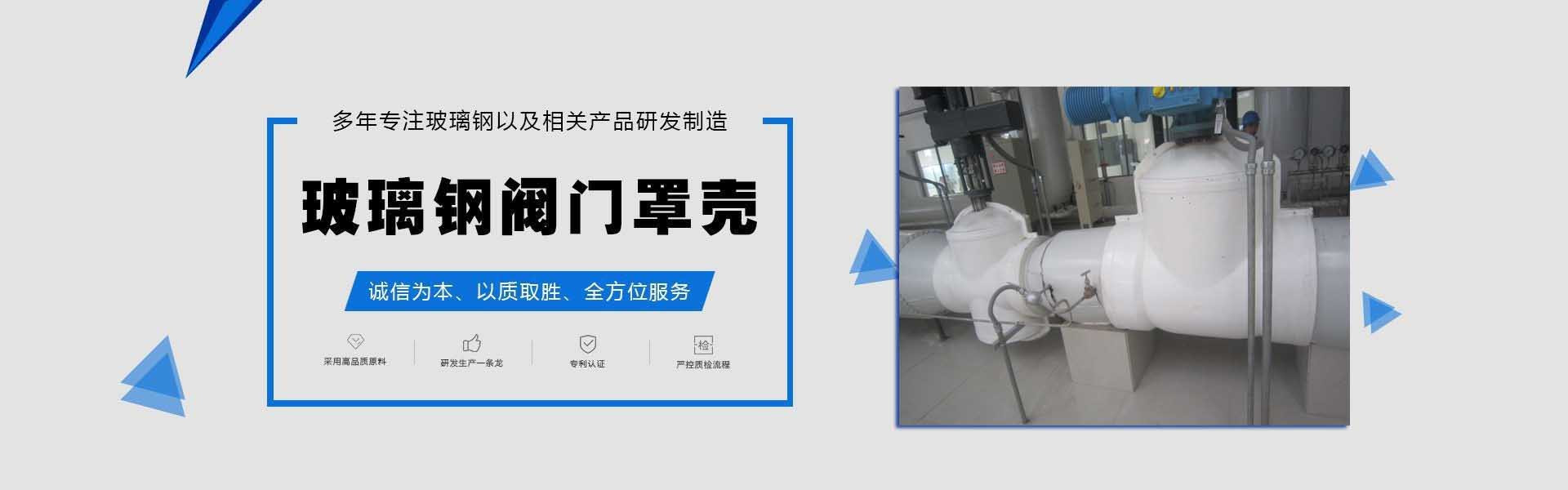

Today, we primarily introduce the outer surface of glass fiber reinforced plastic (GFRP) sand pipes. Once the outer surface is damaged, the inner layer will be affected over time by external conditions such as air, accelerating the product's corrosion and damage, thus reducing its service life. Therefore, the outer surface of GFRP sand pipes is crucial. It is essential to ensure that the pipes are not only corrosion-resistant but also meet the physical and mechanical functional requirements. The selection of glass fibers should be of high tensile strength, multi-layered, multi-directional, and encapsulate the end heads, meeting the storage, transfer, and production needs for organic, inorganic solvents, and media with chemical and electrochemical corrosiveness.
Adjusting the tank's load-bearing capacity through the depiction of layout thickness, surround angle, and wall layout, the demand for glass fiber reinforced plastic pipes with varying pressure ratings, volumes, and certain special functions is unmatched by isotropic metal materials. They offer excellent corrosion resistance, leak-proofing, and weather resistance.

