
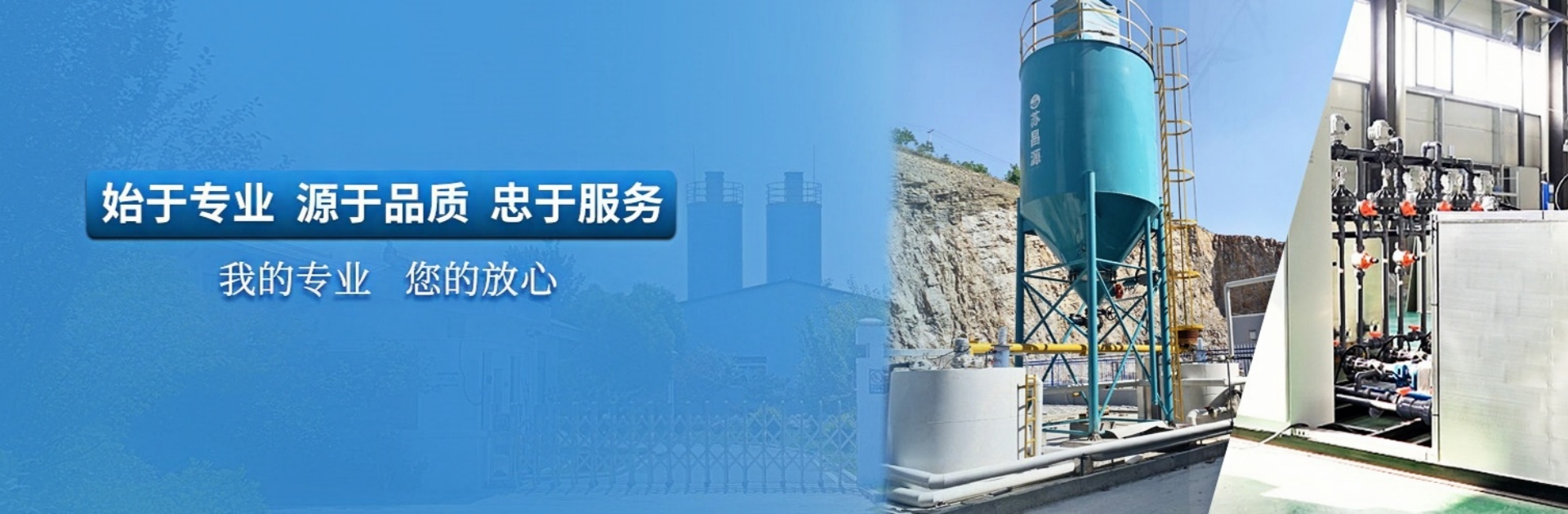

In the industrial sector, a type of volumetric pump used for conveying fluids with adjustable and controllable flow rates is commonly referred to as a metering pump. This pump is incredibly prevalent in wastewater treatment and dosing control applications.
Due to my limited understanding, I can't delve too deeply into the topic. To better enhance your knowledge, I've specially consulted a technical expert in the field of metering pumps and gathered some materials to share with you.
Medication metering pumps are categorized into three main types based on their delivery principles: 1. Diaphragm type; 2. Piston type; 3. Piston-diaphragm type.
Within the membrane metering pumps, there are further classifications into electromagnetic membrane metering pumps, mechanical membrane metering pumps, and hydraulic membrane metering pumps. So it's quite clear; it's a membrane pump.
The respective features are:
1. Membrane-type
1.1 Advantages: The diaphragm is suitable for various materials such as EPDM, FPM, PTFE, and CSM, and can be used in a variety of corrosive media.
1.2 Disadvantages: For electromagnetic diaphragm metering pumps, due to their low pressure, low flow rate, and low accuracy, special designs such as different voltages, frequencies, explosion-proof, and protection grades are not possible. All such metering pumps have flow rates that change with pressure, with a regulatory range that is only non-linear, and are prone to damage due to local membrane compression, resulting in a short service life. Therefore, they are less preferred in large-scale continuous production fields such as petrochemicals and wastewater treatment, where maintenance volume is high.
2. Piston
2.1 Advantages: High pressure, high flow rate;
2.2 Drawbacks: Many wearable parts, poor corrosion resistance, and high sealing requirements.
3. Piston Diaphragm
The Diaphragm Metering Pump with Piston Overcomes the shortcomings of diaphragm metering pumps (low pressure, low flow rate) and piston metering pumps (poor corrosion resistance, poor sealing performance). It combines the advantages of both types of pumps and is suitable for highly corrosive and high-pressure media, with pressures up to 70bar and a high flow rate (max 3000l/h). The flow rate remains constant regardless of pressure and can be linearly adjusted within a range. It can also be designed for various special applications. This pump is commonly used in large-scale industrial continuous production fields such as oil, chemicals, power, and wastewater treatment, featuring low maintenance requirements and high selection rates.
Metering pump accessories
Pressure Relief Valve —— Pressure relief valves, protecting components within the system and various pipeline sections
Back Pressure Valve——Maintains pressure, stabilizes pressure, provides back pressure, prevents siphonage, and offers a stable pressure environment to enhance the measurement accuracy of metering pumps.
Pulse Buffer——buffer pulses, absorb vibration energy, and deliver liquid smoothly
Agitator-----------Mixing, blending, reaction, heat transfer, etc.
Injection Valve----------One-way injection, anti-backflow, certain pressure back pressure effect, improved metering accuracy
Check Valve - Unidirectional Liquid Flow
Bottom Valve Filter —— Filter at the End of the Inlet Pipe
Y-Type Filter——Removes impurities and solid particles from imported piping
Flow Meters —— Intuitive and Easy to Read Flow
Level Gauges——The height of liquid position inside containers and the reading of solution volume
Inspection Glasses —— Monitor liquid flow conditions within pipelines and containers
Flow Calibration Tube ------------ Accurately Calibrate the Flow of a Metering Pump
Diaphragm Pressure Gauge —— Measurement and Reading of Pressure in Pipe Systems for Highly Corrosive Liquids
