



- AllProduct Category
-
Reactor Series
Chemical Industry Slicer Series
Film Laminator / Stripper / Film Former
Spiral Plate Heat Exchangers Line
Condensation Heat Exchanger Series
Scraper Evaporator Series
Tank Series
Other Chemical Equipment Series




详情描述
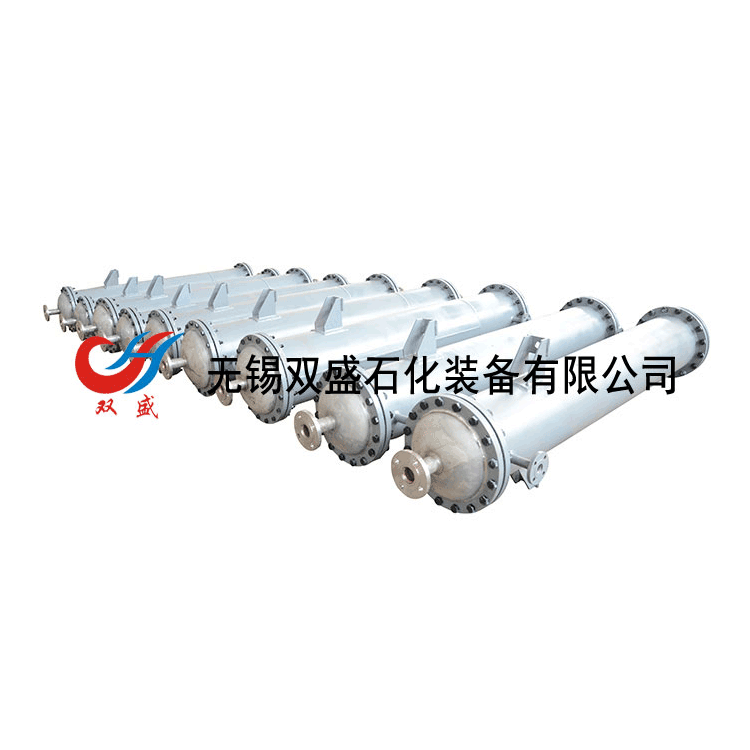
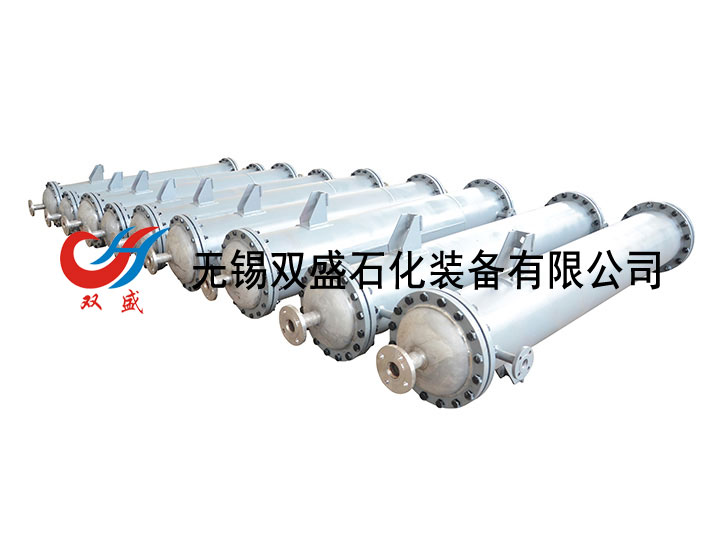
Shell and Tube Heat Exchanger
Product Overview
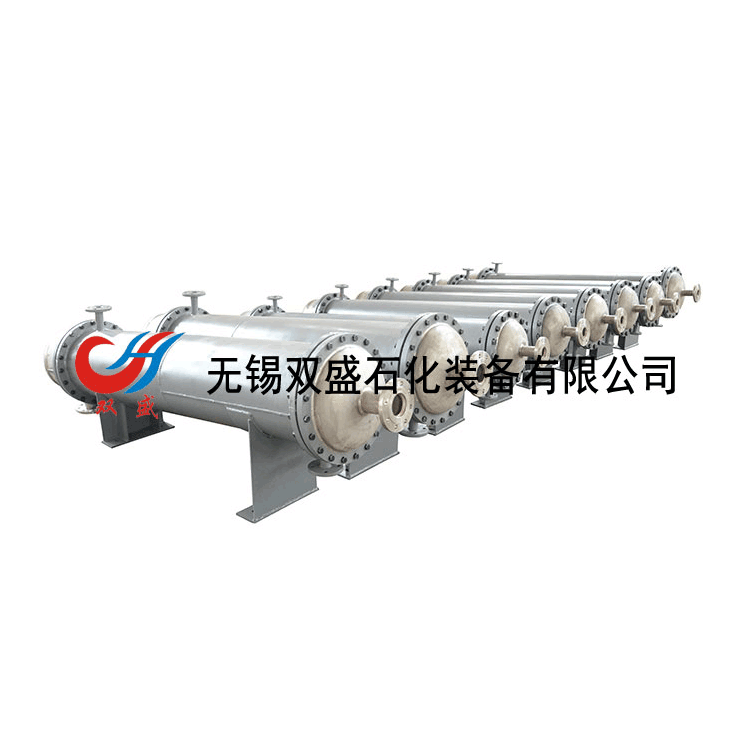
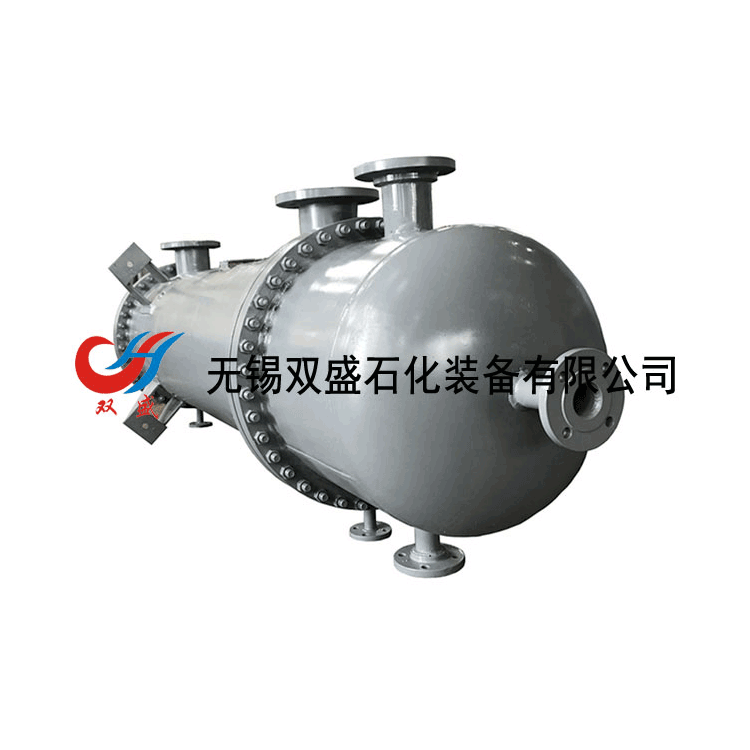
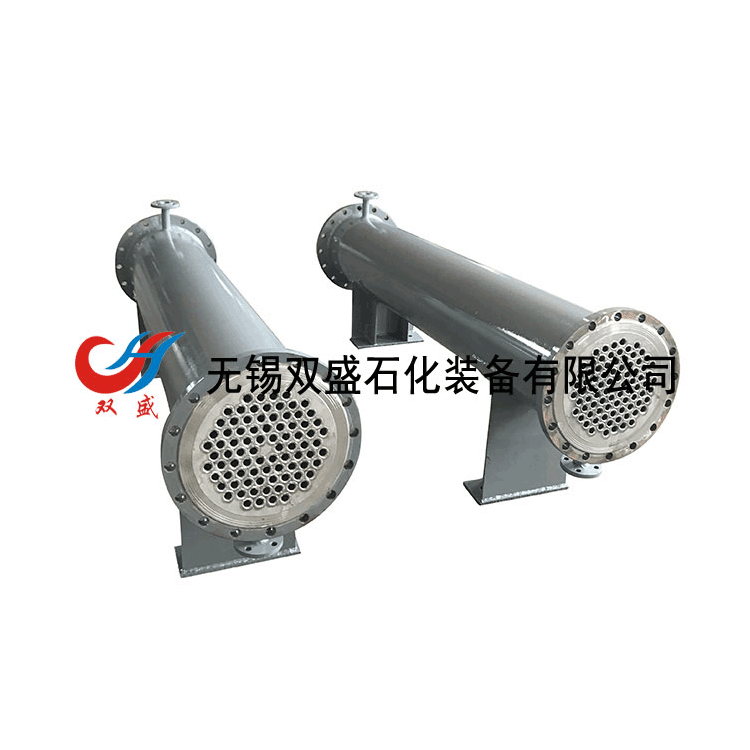
Shell-and-tube heat exchangers are primarily composed of a shell, baffles, heat exchange tubes, end caps, and baffle plates. They can be manufactured using either carbon steel or stainless steel. During the heat exchange process, one fluid enters through the connection pipe at the end cap, flows through the tubes, and exits through the outlet pipe at the other end of the end cap, which is referred to as the tube side; the other fluid enters through the inlet of the shell and exits through another outlet on the shell, known as the shell side.
Fixed tube sheet heat exchanger
The structure is simple, compact, and cost-effective, but it cannot be mechanically cleaned on the outside. The tube bundle is connected to the tube plates, which are welded at both ends of the shell. A cover is connected to it, and the cover and shell are equipped with fluid inlet and outlet connections. Typically, a series of vertical baffles perpendicular to the tube bundle are installed outside the tubes. The steel pipes and tube plates are rigidly connected to the shell, and there are two different fluids at different temperatures inside and outside the tubes. Therefore, when there is a significant temperature difference between the tube wall and the shell wall, a large temperature difference stress is generated due to the different thermal expansion of the two, which may cause the tubes to twist, bend, or even loosen from the tube plates, or even damage the heat exchanger. Generally, a temperature difference compensation device is required for the heat exchanger when the temperature difference between the tube wall and the shell wall exceeds 50°C for safety reasons. However, the compensation device (expansion joint) can only be used when the temperature difference between the shell wall and the tube wall is below 60 ~ 70°C and the shell-side fluid pressure is not high. When the shell-side pressure exceeds 0.6Mpa, due to the thick expansion joint, it is difficult to expand and contract, losing the function of temperature difference compensation, other structures should be considered.
U-tube heat exchanger
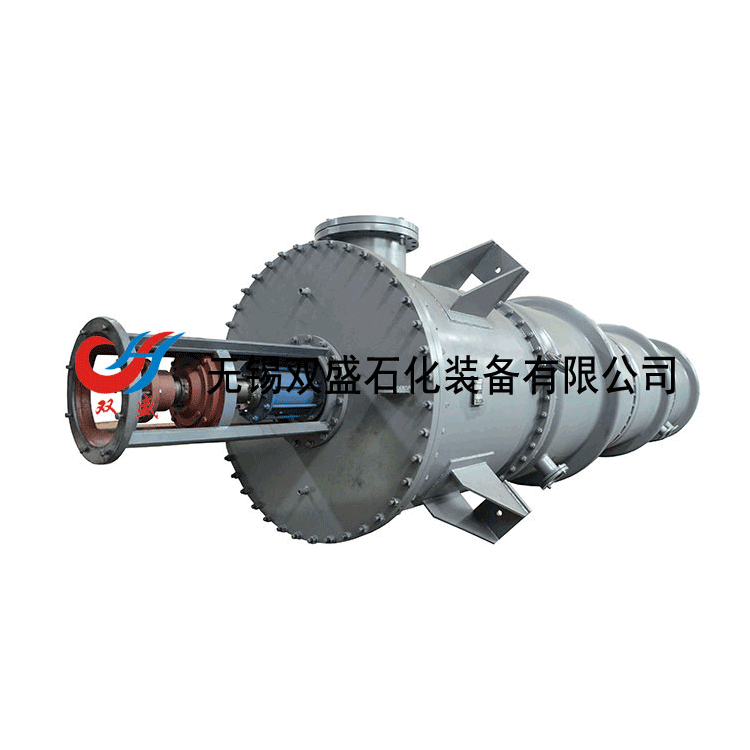
U-tube heat exchanger, each tube bent into a U-shape and fixed at both ends on a single tube plate. Each tube is freely expandable to address thermal compensation issues. The tube side has at least two passes, allowing the bundle to be removed for cleaning, and the tubes can expand freely. The structure is simple, lightweight, and suitable for high temperature and high-pressure conditions.
Immersion Snake Tube Heat Exchanger
A heat exchanger using a serpentine tube as the heat transfer element is one type of a shell-and-tube heat exchanger. It has a simple structure, is easy to manufacture, install, clean, and maintain, is cost-effective, and is particularly suitable for cooling high-pressure fluids, thus it is still in use.
Technical Specifications


