

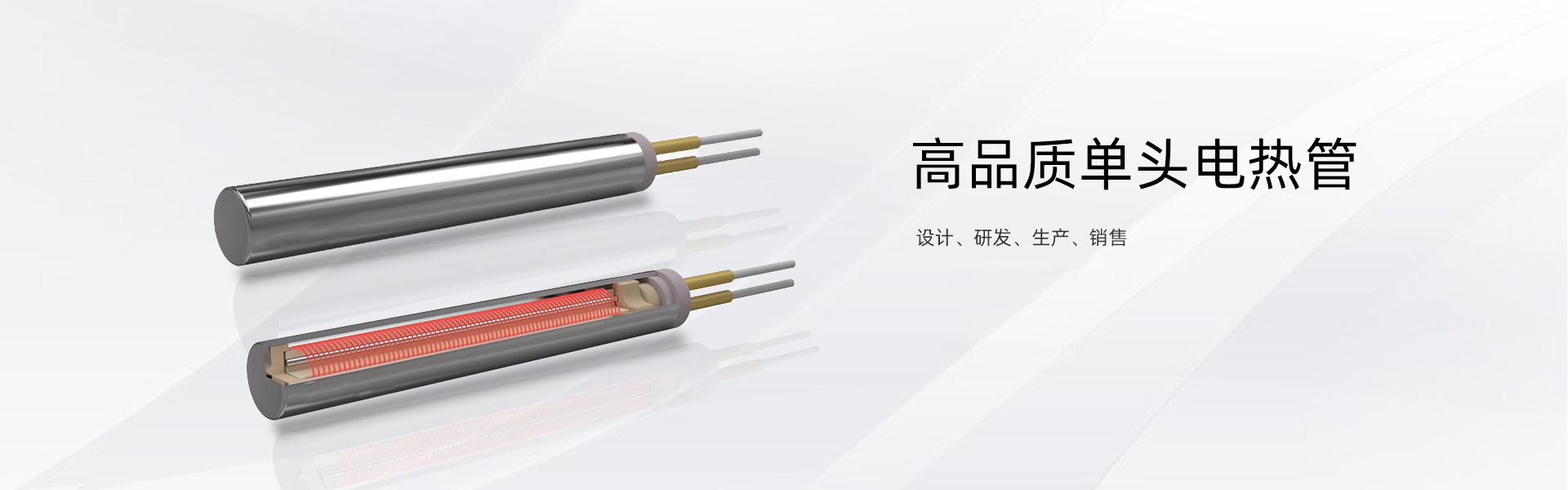
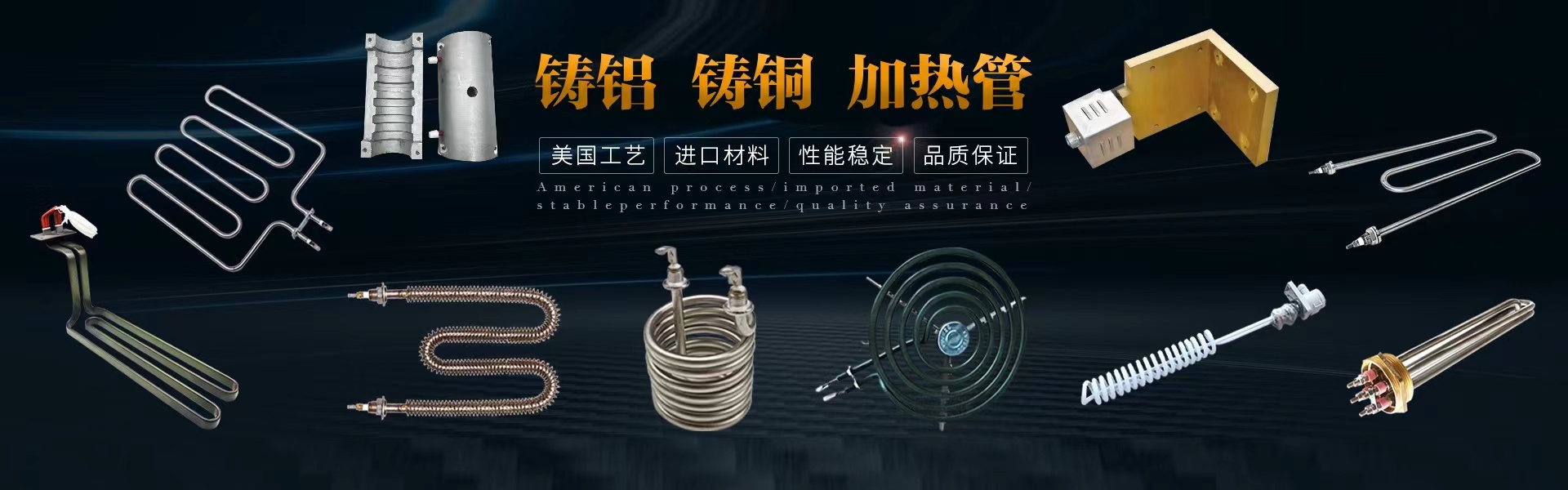
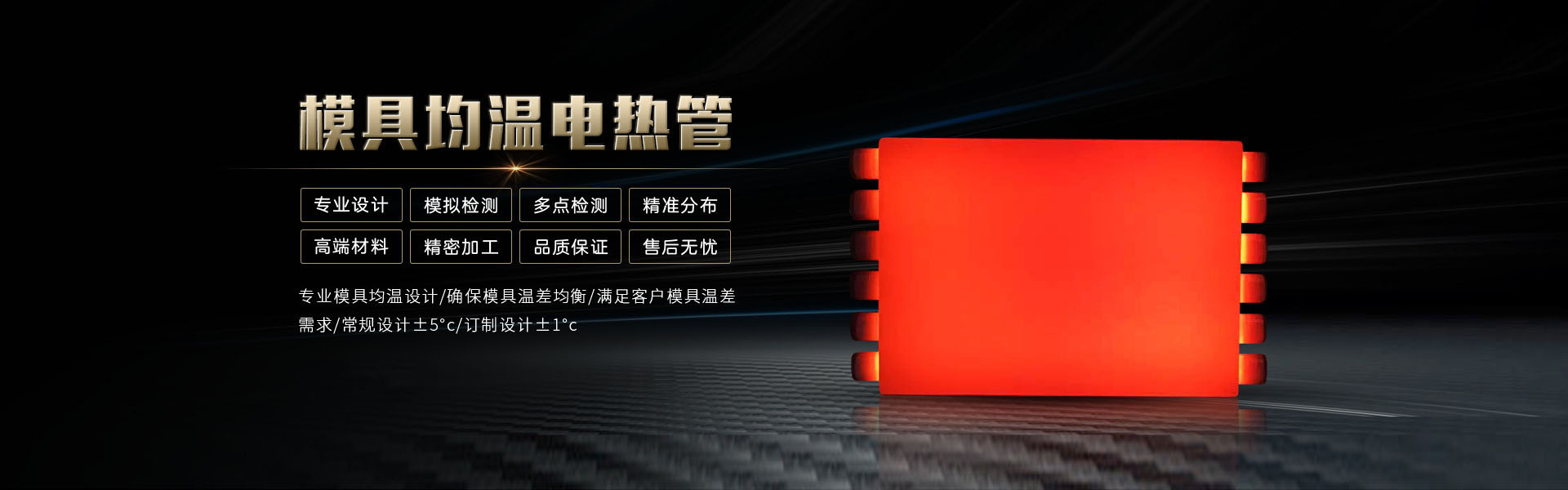

The tubular electrical heating element in explosion-proof heaters consists of a resistance wire placed inside a metal tube, with the gaps densely filled with crystalline magnesium oxide powder, known for its excellent heat resistance, thermal conductivity, and insulation properties, followed by other processing techniques. This element boasts simple structure, high mechanical strength, high thermal efficiency, safety, reliability, ease of installation, and long service life. It is widely used for heating purposes in various nitrate tanks, water tanks, oil tanks, acid-base tanks, as well as in melting furnaces for fusible metals, air heaters, drying ovens, and hot pressing molds.
Please refer to the selection guidelines.
Components are designed to operate under the following conditions:
Relative humidity should not exceed 95%, and there should be no explosive or corrosive gases. The working voltage should not exceed 1.1 times the rated value, and the housing should be effectively grounded.
When heating liquids, the entire effective heating area must be fully immersed in the liquid; it is strictly prohibited to burn empty. If scale or carbon buildup is found on the tube surface, it should be cleaned off promptly before use to prevent reduced heat dissipation and extended lifespan.
When heating fusible metals or solid nitrates, alkalis, asphalt, paraffin, etc., the voltage should first be reduced, and only after the medium has melted should it be increased to the rated voltage.
When heating nitrate salts, safety measures should be considered to prevent explosion accidents.
When heating air, components should be arranged in an intersecting and even pattern to ensure good heat dissipation conditions for the components, allowing the passing air to be sufficiently heated.
6. The wiring section should be placed outside the insulation layer to prevent contact with corrosive, explosive substances, and moisture; the lead wires should be able to withstand long-term stress.
Due to the temperature and heating load of the wiring section, excessive force should be avoided when tightening the wiring screws.
7. Components should be stored in a dry place. If the insulation resistance falls below 1MΩ after long-term storage, they can be dried in an oven at around 200°C, or heated by applying a low voltage, until the insulation resistance is restored.
