

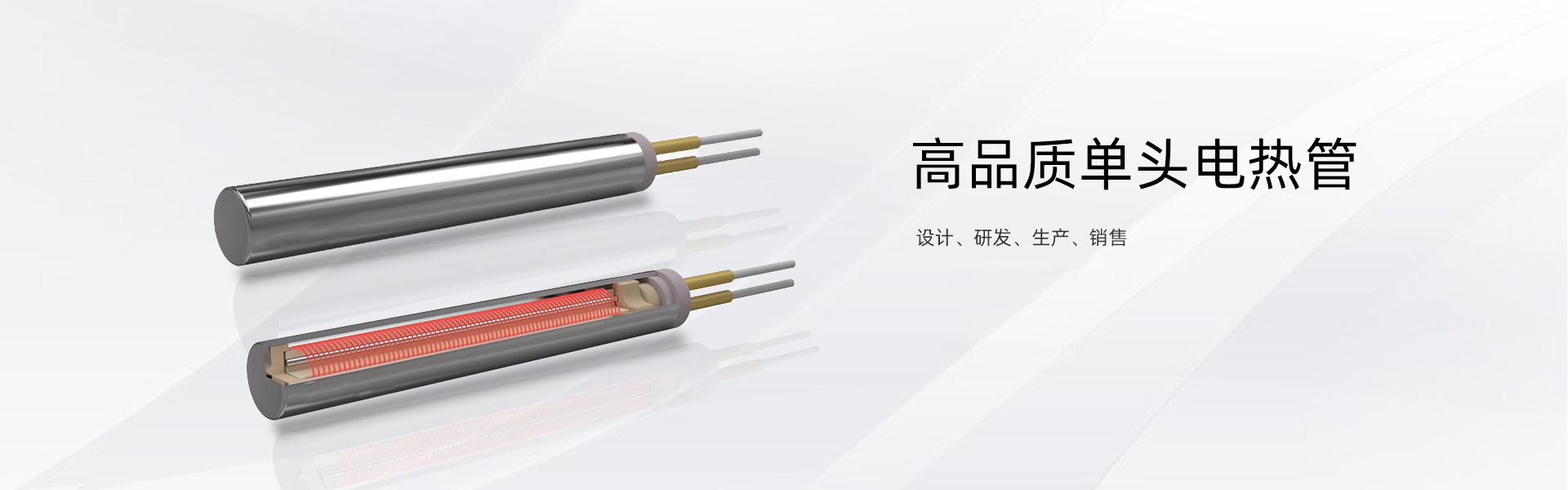
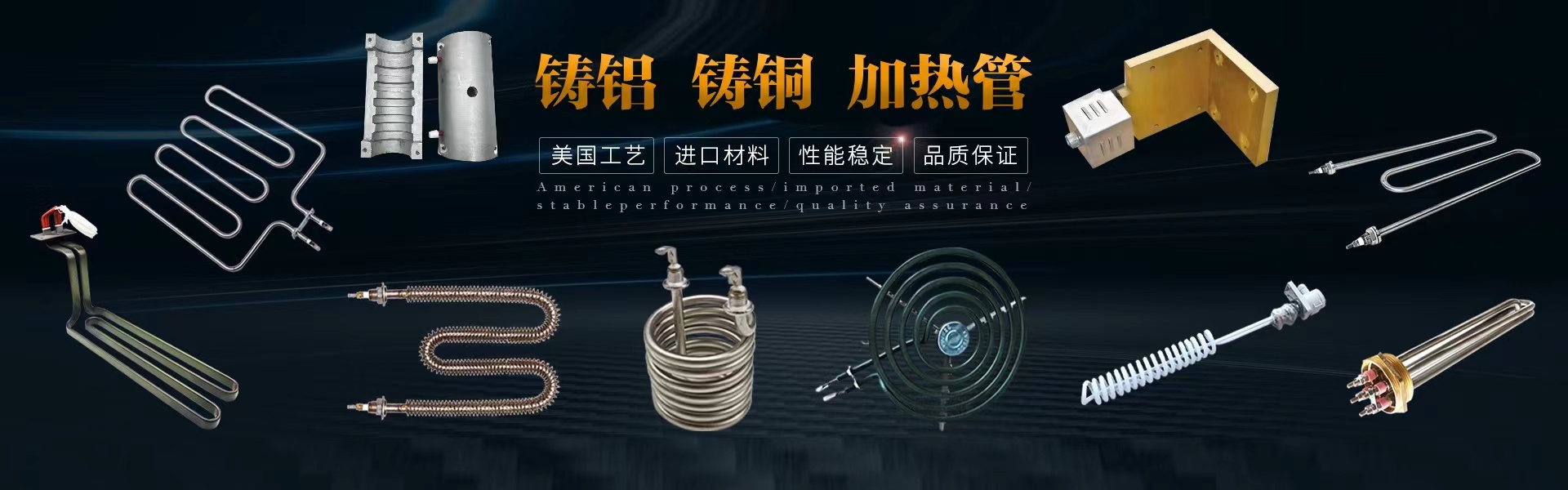
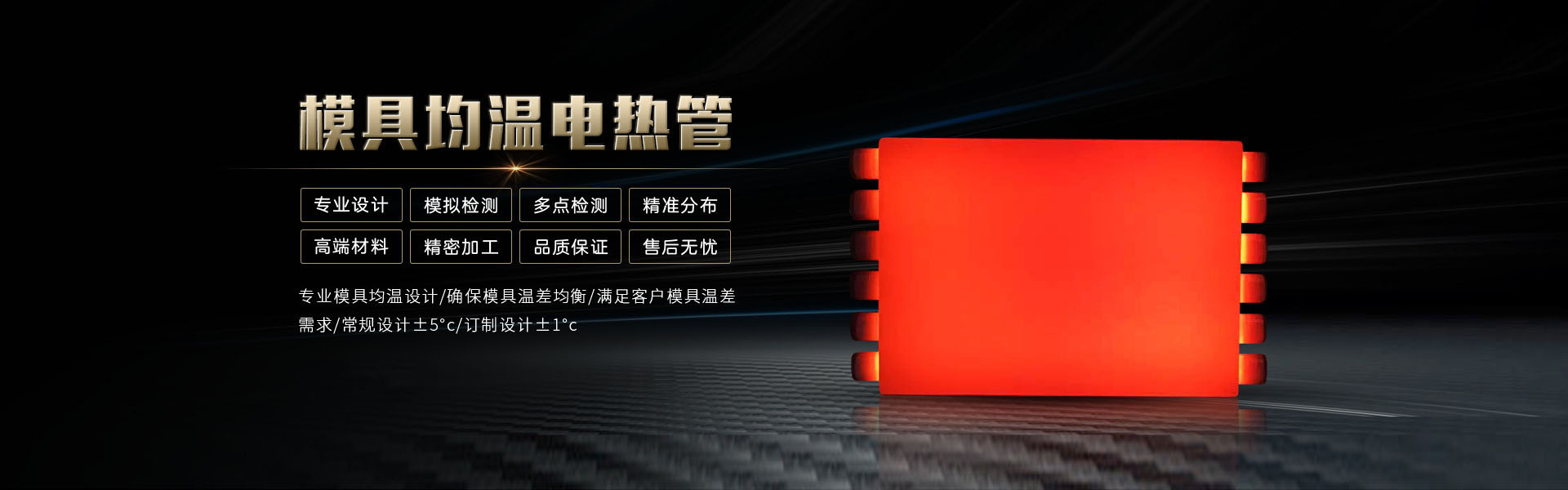

A wide variety of electric heating elements are available, including standard types, electric heating alloys, heating materials, microwave heating devices, stainless steel heating plates, electromagnetic induction heating units, electric heating pipes, heating wires, heating plates, heating tapes, heating cables, heating discs, thermocouples, electric heating rings, heating rods, electric tracing heating tapes, electric heating cores, mica heating sheets, ceramic heating sheets, tungsten-molybdenum products, silicon-carbide rods, molybdenum powder, tungsten rods, electric heating wires, conveyor belts, and numerous other electric heating element types.
Electrically heated castings are another category of electric heating elements, including cast aluminum, cast copper, cast iron heaters, PTC heating elements, and steam radiators. Resistance strip far infrared radiation heaters are used for heating equipment in baking tunnels, ovens, and chambers. Related industries include cable trays, electric heaters, electric hot water boilers, electric heating tubes for boilers, electric heating tubes for ovens, fin electric heaters, explosion-proof electric heaters, storage tank electric heaters, high-temperature ceramic electric heaters, molecular sieve electric heaters, circulating electric heaters, crawler-type electric heaters, hot water electric heaters, and fluid circulating electric heaters.
1. Heating Wire
Thermocoils, one of the earliest types of electric heating elements, operate on the fundamental principle of electrical heating to achieve transformation. Despite being a traditional electric heating element, thermocoils have not been replaced and are still widely used in various fields, particularly in industrial production and laboratories. In recent years, iron-chromium-aluminum alloys and nickel-chromium alloys have been predominantly used for thermocoils, with the high temperature of the iron-chromium-aluminum alloy reaching up to 1400°C. On the basis of thermocoils, developments have emerged such as electric rods, plates, and sheets, yet their essence remains that of thermocoils, and their principles cannot escape the realm of electrical heating. The advantages of thermocoils include high heating and thermal resistance temperatures, mature technology, ease of manufacturing, and convenience in matching with various electric heating equipment. However, their drawback lies in their lower conversion rate, as the process of heating is accompanied by luminescence, limiting the electrical energy conversion rate to between 60% and 70%.
2. PTC Heating Elements
PTC stands for Positive Temperature Coefficient, a type of thermistor made by sintering conductive materials. It's an electric heating element that came after heating wires and is limited to use in heating applications below 350°C due to its Curie temperature. PTC heating elements are used in various low-power, low-temperature heating devices. The advantage of PTC heating elements is that they heat without an open flame, achieving an efficiency of up to 70%. However, their drawbacks include poor vibration resistance, inability to be cut to size freely, and the limitation that they cannot be used in heating above 350°C, as they are constrained by the Curie temperature. Therefore, the application of PTC heating elements is restricted to the low-temperature heating field in practical production and life.
Conductive Coating
Conductive coatings, also known as black film, originated in the late 1950s and can be used as electric heating elements after being applied to the surface of insulating materials. While the applications of conductive coatings are diverse, their use as heating elements is less common. They offer advantages such as even heating, a large surface area for heat dissipation, and good vibration resistance. However, the disadvantages include the tendency for the heating layer to detach and the suitability for temperatures below 200°C only.
4. Electric Heat Film
Electrically heated film is a relatively new type of electric heating element that has been developed by combining the features of PTC (Positive Temperature Coefficient) and conductive coating heating elements. Currently, electrically heated film is mainly used in indoor heating and environmental temperature maintenance, such as building heating and brooder room insulation. The advantages of electrically heated film include flameless heating, surface heating, low thermal resistance, fast heat conduction, long service life, and ease of cutting and separation. Particularly, the electrical energy conversion efficiency of electrically heated film reaches up to 90% with minimal heat loss. However, its drawbacks include slow heating speed, insufficiently high heating temperatures, and rapid dissipation of heat after power outages.
