
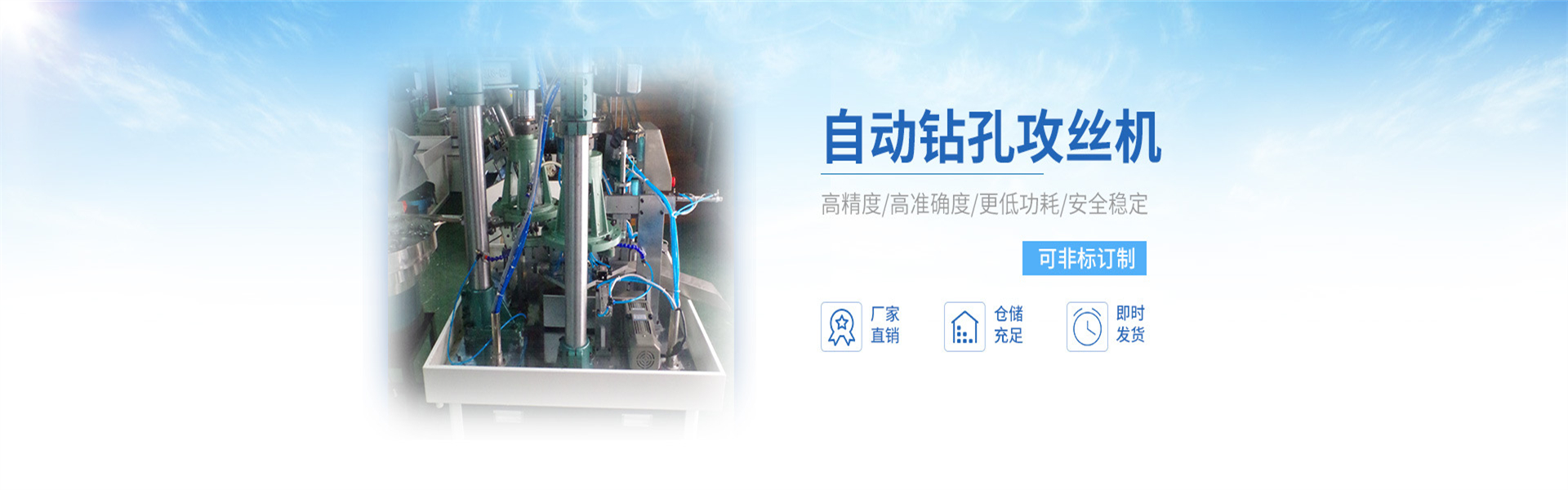
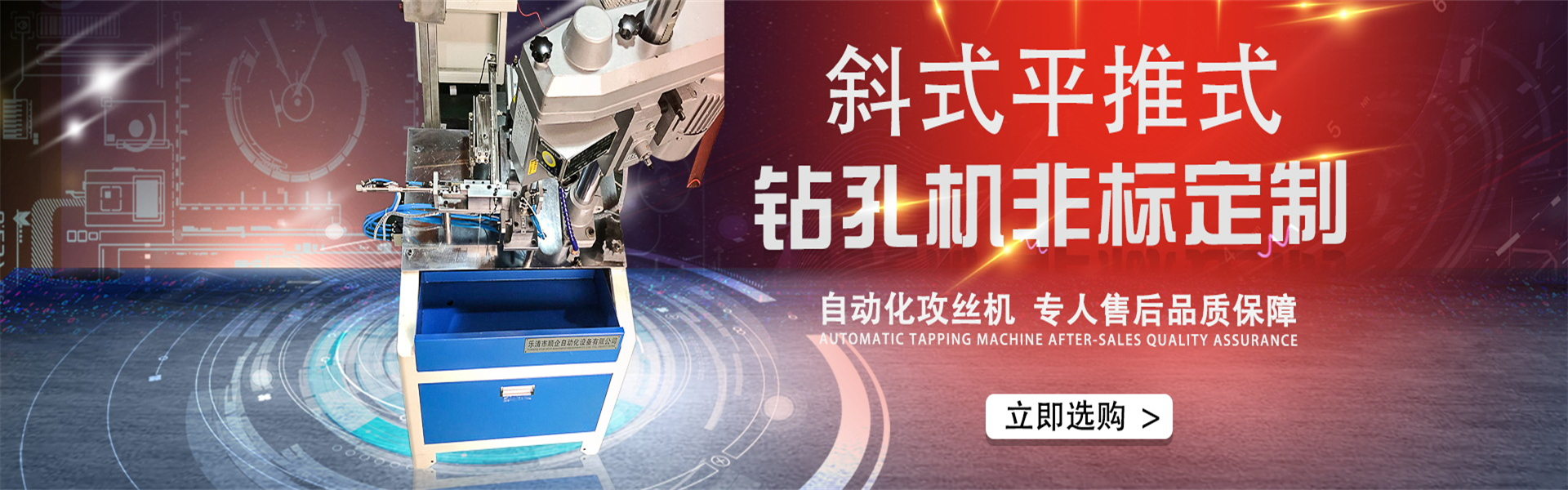
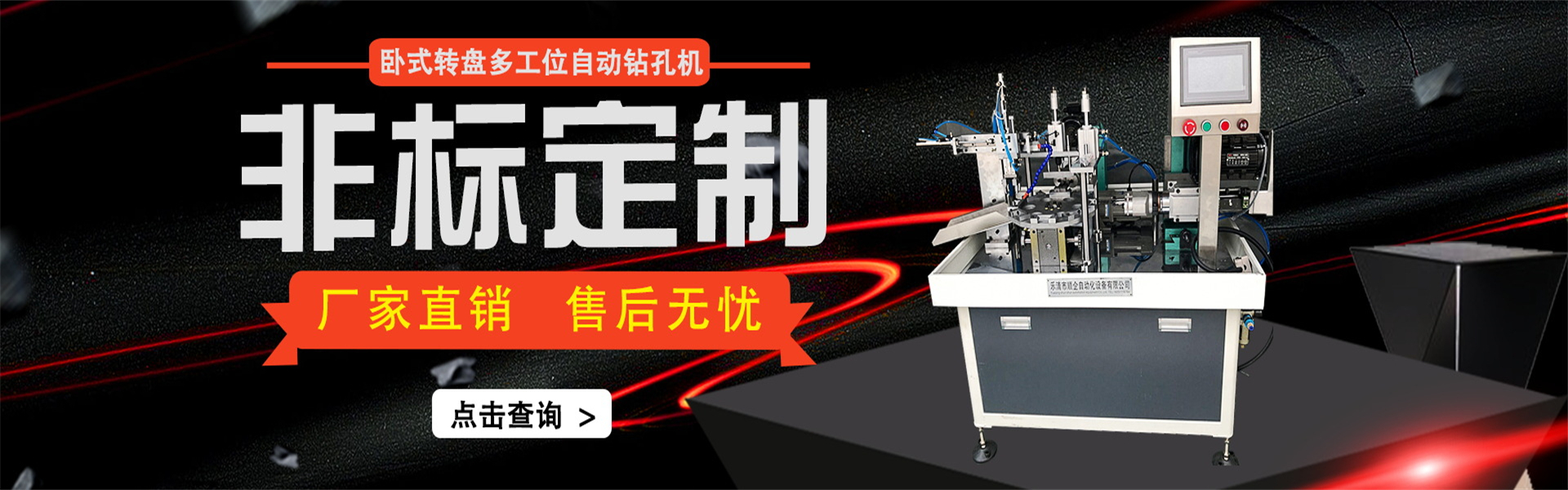

During the operation of automatic threading machines, some issues may arise. Here are some common situations:
Firstly, unstable workpiece fixation can lead to reduced machining accuracy. This may be caused by an unreasonable fixture design or insufficient clamping force.
Tool wear is another common issue. After long-term use, tools may become worn, affecting processing quality.
Secondly, poor lubrication can increase machine wear and even lead to malfunctions.
Material issues can also affect processing outcomes. Certain materials may not be suitable for processing with automatic threading machines.
Additionally, equipment malfunctions pose a potential issue. For instance, circuit failures, damaged mechanical components, and so on.
Operator inexperience may also lead to issues. They may not be familiar with the machine's operating procedures or lack the necessary maintenance knowledge.
To avoid these issues, we can implement the following measures: ensure parts are securely fastened, regularly inspect and replace tools, maintain proper lubrication, select appropriate materials, schedule regular maintenance and inspections of the machines, and train the operators.
By addressing these issues and taking appropriate measures, the efficiency and processing quality of automatic threading machines can be enhanced.
