


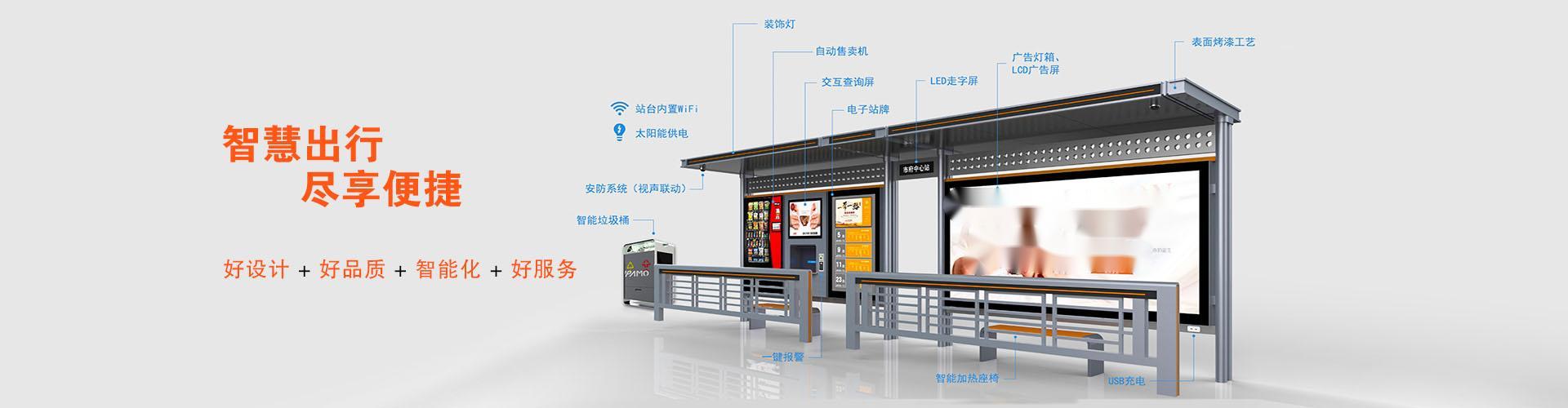




BoothInstallation and Construction Steps:
The construction steps for the steel cabin include earth excavation, foundation passage inspection, construction layout, steel reinforcement processing, steel connection, formwork engineering, concrete work, and masonry work. Below is a detailed introduction:
Excavation of earthworks
The earthwork excavation is carried out using mechanical excavation, exceeding the design elevation.200mm, with manual trimming and bottom collection. After digging to the design elevation, drill the foundation pit, clean the soft soil layer thoroughly to obtain a good soil layer, and compact the over-dug portion layer by layer to the design elevation. Lime 28 soil.
2. Subgrade Excavation Inspection
After excavation to the designed elevation, the construction unit, design unit, and supervisory unit must conduct an inspection and acceptance. Upon multiple signatures and approval, concrete bedding will be immediately poured.
3. Construction Schedule
The kiosk foundation is constructed in two steps: first, the foundation is built, followed by the ground beam. After excavation of the foundation pit that does not meet the bearing capacity requirements, the soil is compacted and replaced with crushed stone powder. The replacement depth is:600mm in length, with a replacement width of +200mm on each side, the standard bearing capacity should reach 180KPA after the replacement treatment.
4. Reinforcing Bar Processing
Rebar must be observed and sampled on-site prior to use, and can only be utilized after being tested at the testing center.
Equipped with two steel bar processing machines for steel bar fabrication.
3) Prior to steel bar cutting, a batch list of steel bars must be meticulously prepared in accordance with the design drawings and construction specifications, and submitted for review by the project department. When the steel bars are in their raw form, the loss in length during the welding process must be taken into consideration.
4) Rebar is concentrated on-site, primarily processed and shaped in place. Rebars are neatly stacked by type. Horse shoes are stacked in an orderly manner according to specifications.
5. Steel Reinforcement Connection
1) Vertical connections for truss columns, beams, and foundation rebars are made using electroslag welding, while horizontal connections are done by lap joints. However, the position of the rebars must comply with construction specifications.
2) When using electroslag welding, the weld joints within the same component should be staggered. There should not be more than two joint bars along the length of a single steel bar, from the center of any joint to a cross-section 35 times the diameter of the steel bar, which should be at least 500mm. The cross-sectional area of the tensile steel in the joints should not exceed 50% of the total area, with no limitation on the compressive zone. Two joints should not be present on the same cross-section of a single steel bar. The distance between vertical steel bar joints and the floor slab must comply with design requirements.
6. Template Engineering
Formwork is an essential part of concrete structure engineering. The formwork and its supports must possess adequate strength, rigidity, and stability, and be able to reliably bear the self-weight and lateral pressure of steel and concrete, as well as construction loads, to ensure the accuracy of the structure and geometric shape. The mutual dimensions and positions of the components are crucial. Therefore, the construction of formwork is extremely important and a key aspect of the construction process.
7. Concrete Engineering
No construction joints in the foundation; complete pouring in one go.Before pouring concrete for Liang and the upper structure, the contact surfaces must be leveled and moistened. Then, the bottom must be filled with cement mortar to a thickness of 50-100mm, using the same proportion as the original concrete. During pouring, the thickness of each pour should be controlled to 1.25 times the length of the vibration rod, typically around 500mm. The lower layer of concrete must be poured before the upper layer starts to set, with the vibration rod inserted about 50mm into the lower layer to ensure a good concrete joint.
Joint treatment: After concrete reaches a certain strength, it is manually chiseled into a starry sky pattern, then watered for moisture, followed by spreading the same mixed mortar.20-50mm thickness.
8. Masonry Engineering
The masonry work for this project includes standard brick masonry and aerated concrete blocks.
After removing the main template, insert the masonry structure.
On-site installation of a centralized mortar mixing station, transported to the site using dump trucks.
Above, we've introduced the advantages and construction steps of our kiosk manufacturer. If you have any further needs or would like to learn more about related knowledge, feel free to contact us at any time. Our ten-year veterans will provide you with detailed answers.
