
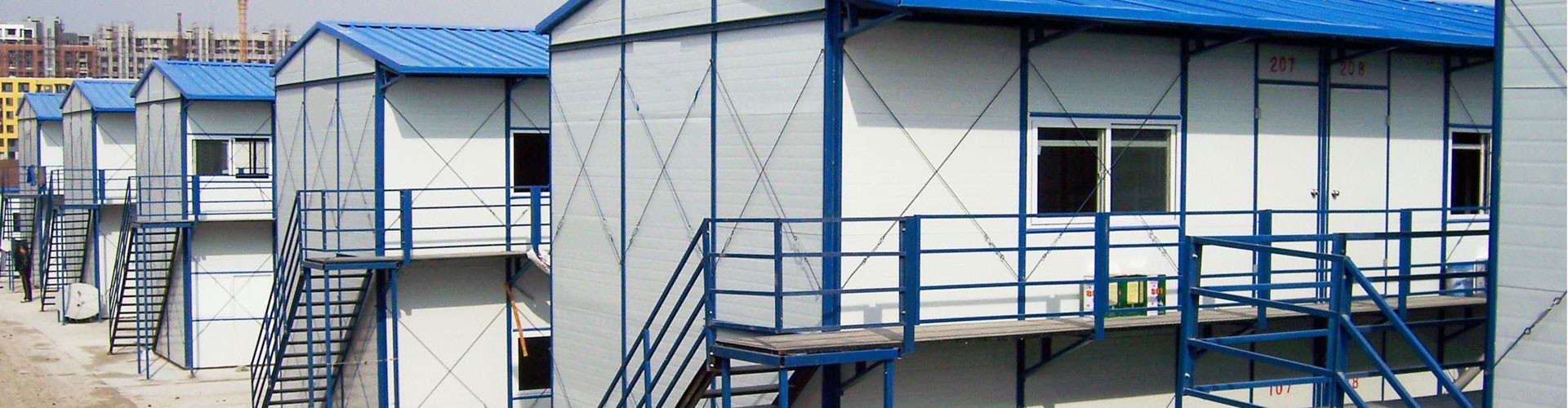
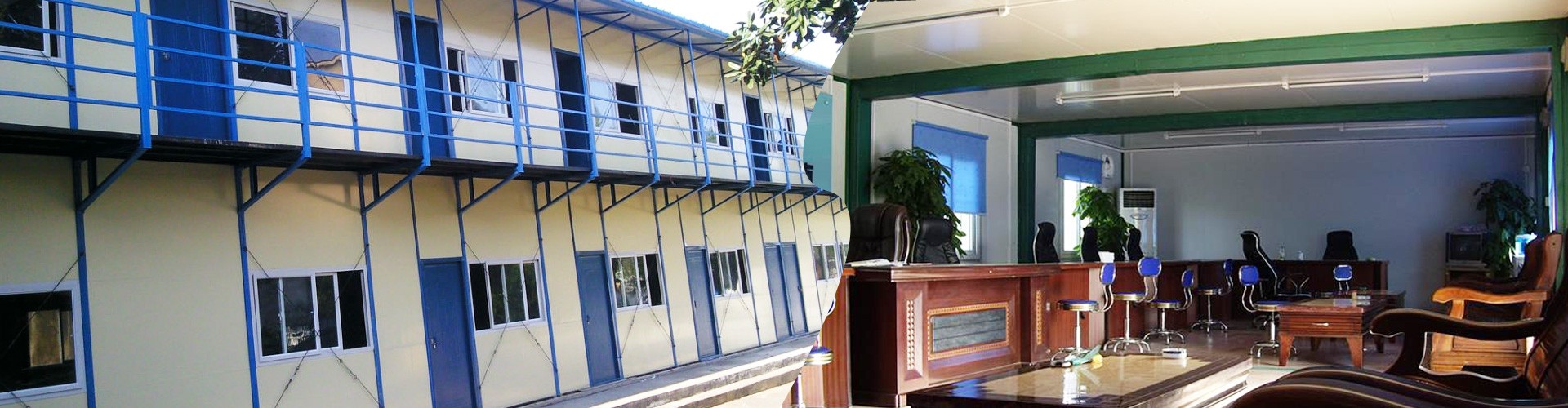
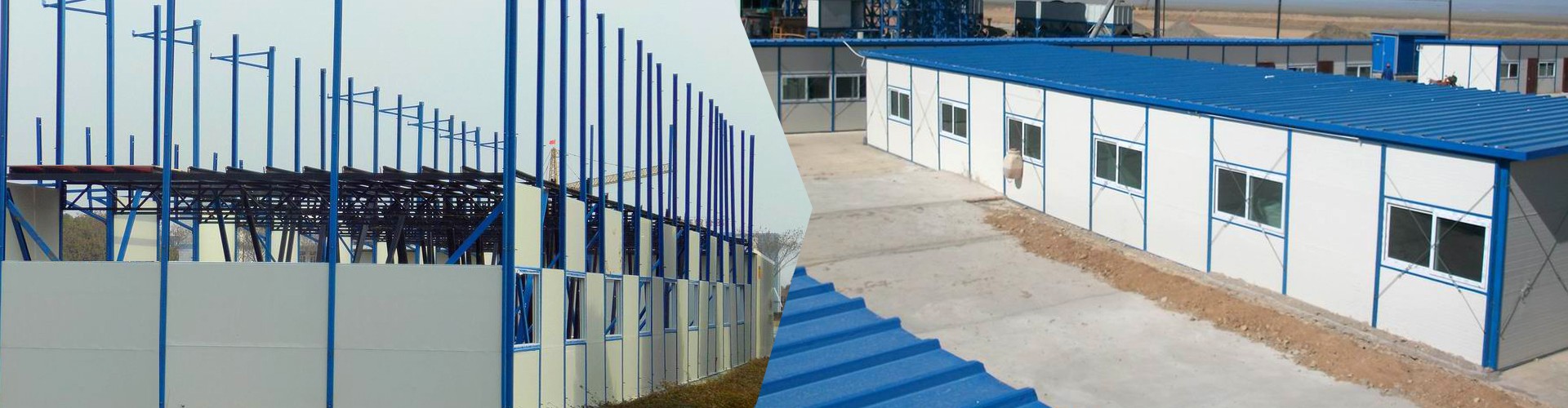

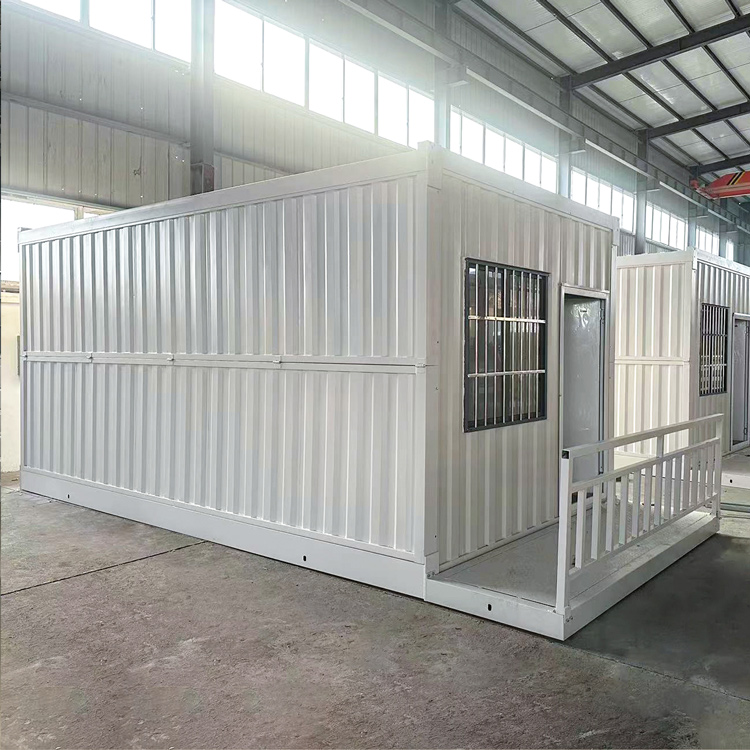
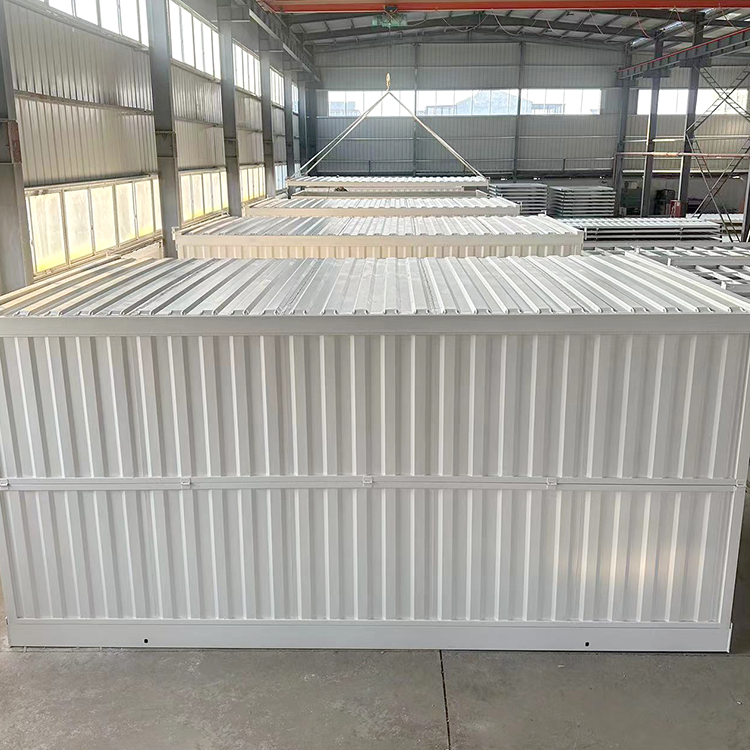
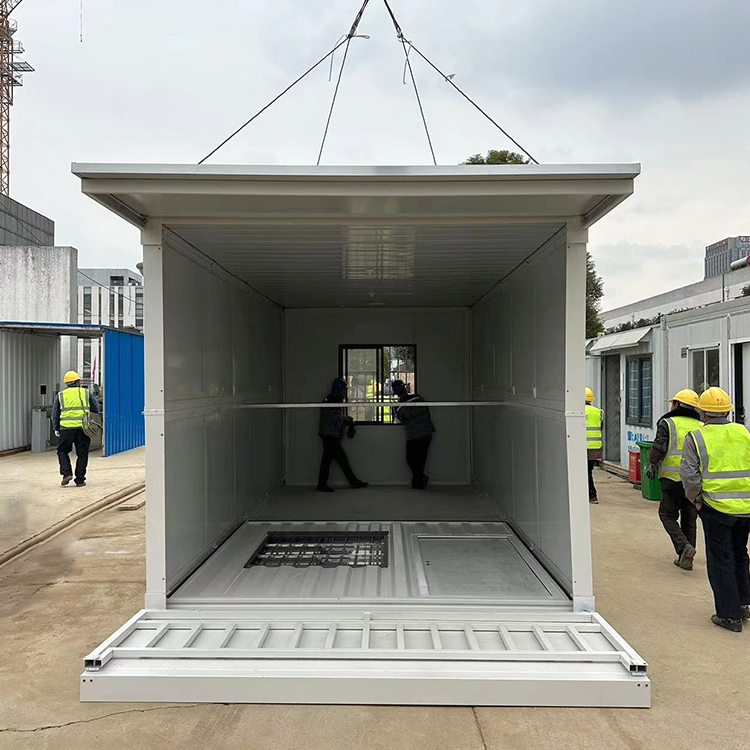
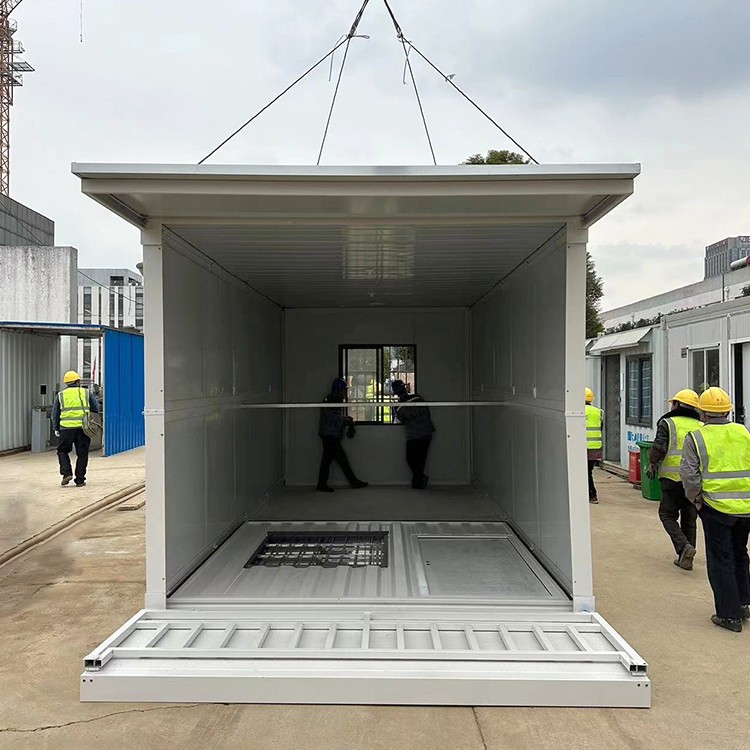
Container housing, also known as container homes, portable container houses, and residential containers, refers to houses that are primarily made from containers and slightly modified to include windows and doors. Commonly used on construction sites as worker dormitories, they are also rented out as living spaces. Durable and easy to set up, they are also referred to as inhabitable containers.
Features and Advantages of Container Houses
(1) Flexibility: The structure of container houses is extremely simple, and sizes can be adjusted flexibly to meet customer needs. They can be easily disassembled, moved, and reassembled, allowing for timely relocation without extensive reconstruction when a move or change of workplace is required.
(2) Cost Savings: Container housing is relatively cost-effective, especially when compared to traditional construction. It not only saves on the cost of building materials but also significantly reduces costs during construction and maintenance.
(3) Eco-Friendly: The container materials are inherently eco-friendly, being reusable iron materials. Moreover, after modification, they can utilize renewable energy sources such as solar and geothermal power, achieving an even greener outcome.
(4) Service Life: Container houses have a long service life, and can be used for over 20-30 years, which is comparable to the lifespan of traditional buildings.
(5) Safety: Container houses are constructed with steel structures, providing adequate fire resistance, seismic resistance, wind resistance, flood resistance, and other strength guarantees. Additionally, they can be sealed and soundproofed according to customer requirements, ensuring a comfortable and safe living and office environment.
