


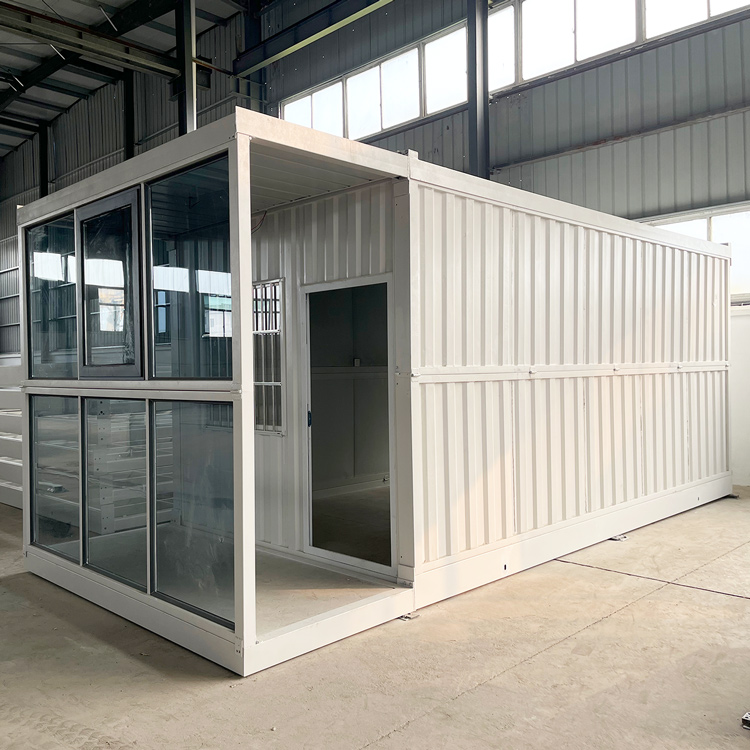
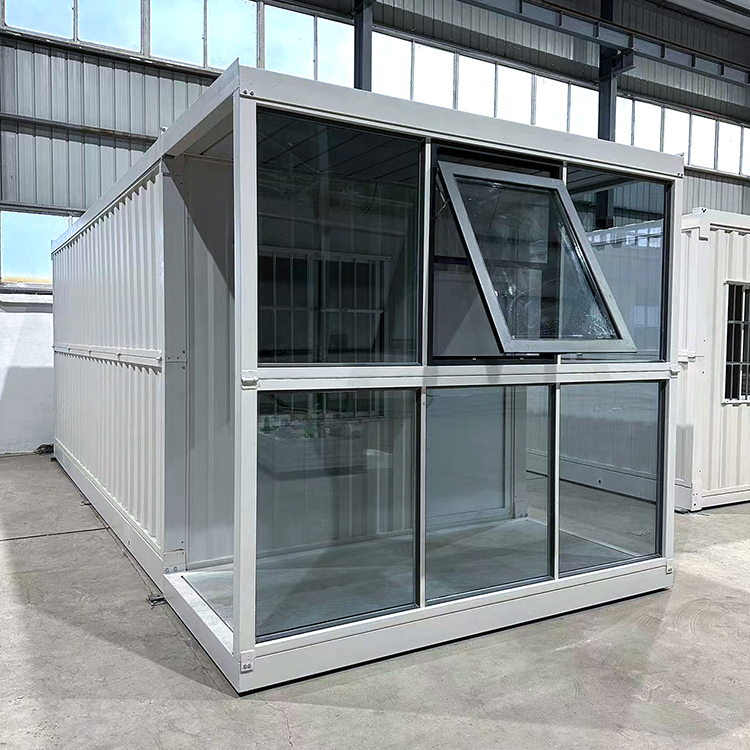
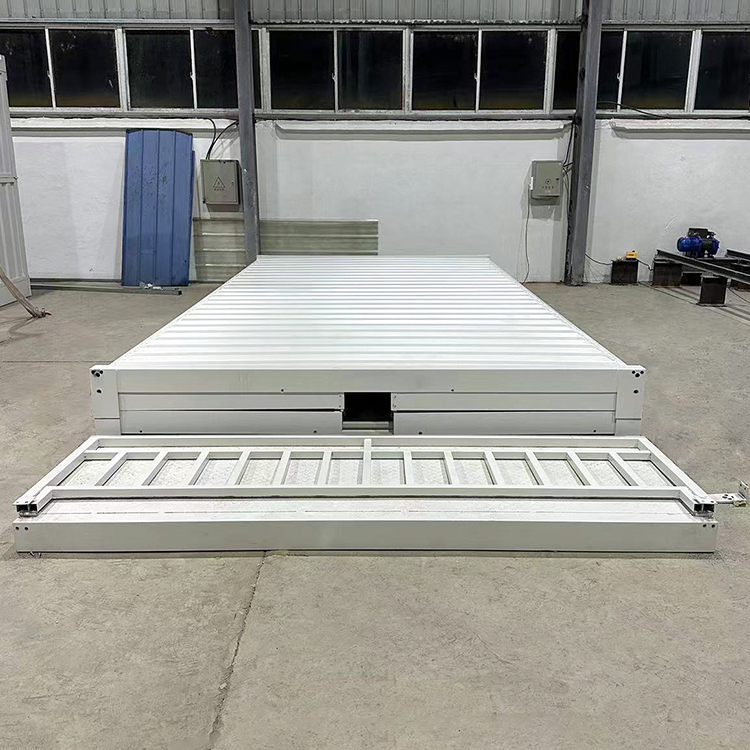
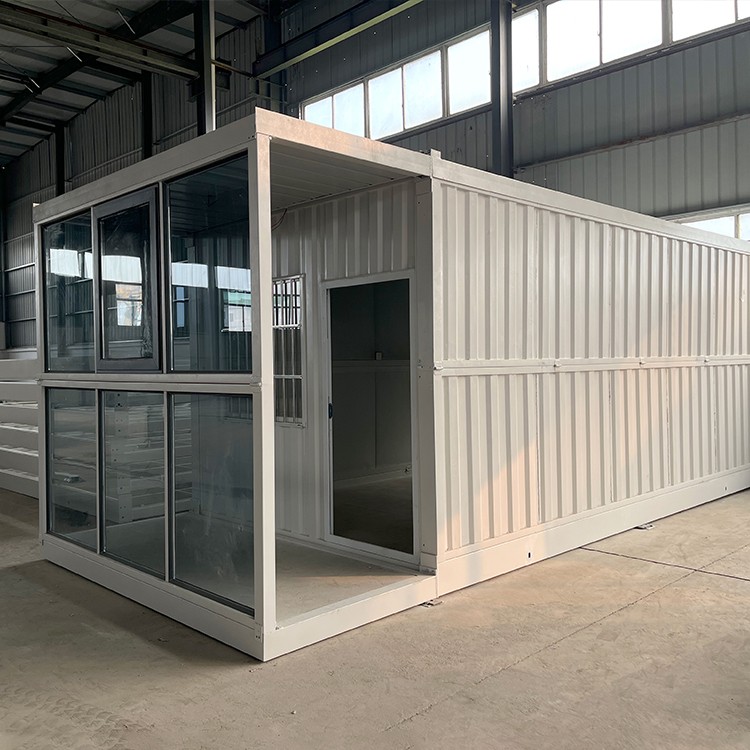
As the demand for environmental protection, low-carbon living, and rapid construction grows, folding container houses, as a new type of building material, have gained increasing popularity and widespread application. As a construction form based on containers, they not only feature environmental friendliness, low carbon emissions, and rapid construction, but also possess the following three major advantages:
One: Easy for transportation and installation
Foldable container houses, due to their use of containers as the basic material, can be conveniently transported. Moreover, in modern times, foldable container houses are extensively applied in disaster areas, impoverished regions, and war zones, providing all necessary supplies and ambiance to these places, thereby playing a very positive role in social relief. The installation of foldable container houses is quite convenient, as their basic structure is already largely determined; it only requires the necessary assembly and disassembly, which can generally be completed within a few days, thus avoiding losses to the owners due to an extended construction period.
Aesthetically pleasing and personalized
Although the basic structure of collapsible container houses is generally determined, different construction environments and requirements can lead to some personalized structural differences. Collapsible container houses, through various colors, patterns, and decorations, strive to meet the needs of more owners. At the same time, on the basis of being aesthetically pleasing, they also provide architects and designers with more freedom to optimize and integrate the design.
Durable and cost-effective, safe and reliable
Foldable container houses can withstand multiple flips in transportation and the erosion of wind and rain, as well as various harsh climates and environments, offering strong durability and longevity. They also meet most owners' needs in terms of insulation, waterproofing, and thermal preservation. Unlike conventional building materials, foldable container houses can be transported and used in all sorts of adverse conditions, avoiding the unnecessary expense of purchasing construction materials for clients, truly achieving the goal of cost savings and reliability.
In summary, the application of collapsible container houses is not only convenient for transportation and installation, but also offers an aesthetically pleasing design and personalized craftsmanship for an enhanced user experience. Moreover, their long lifespan, energy efficiency, and ease of maintenance have made them a new choice for architectural construction. As society continues to develop, it is believed that collapsible container houses will quickly gain popularity and widespread use, providing more convenient, environmentally friendly, and energy-saving options for construction.
