
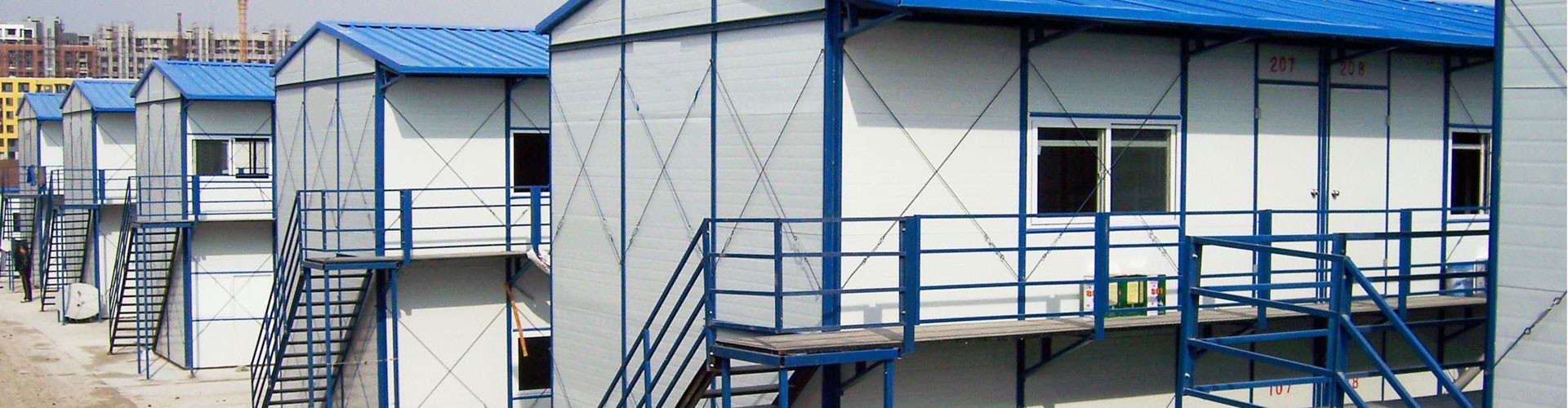
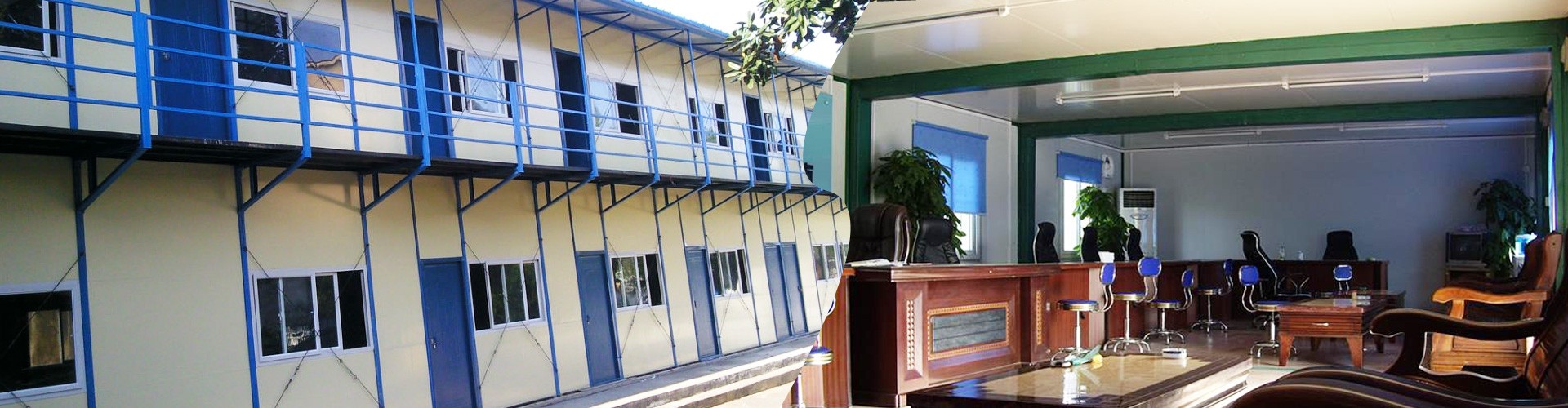
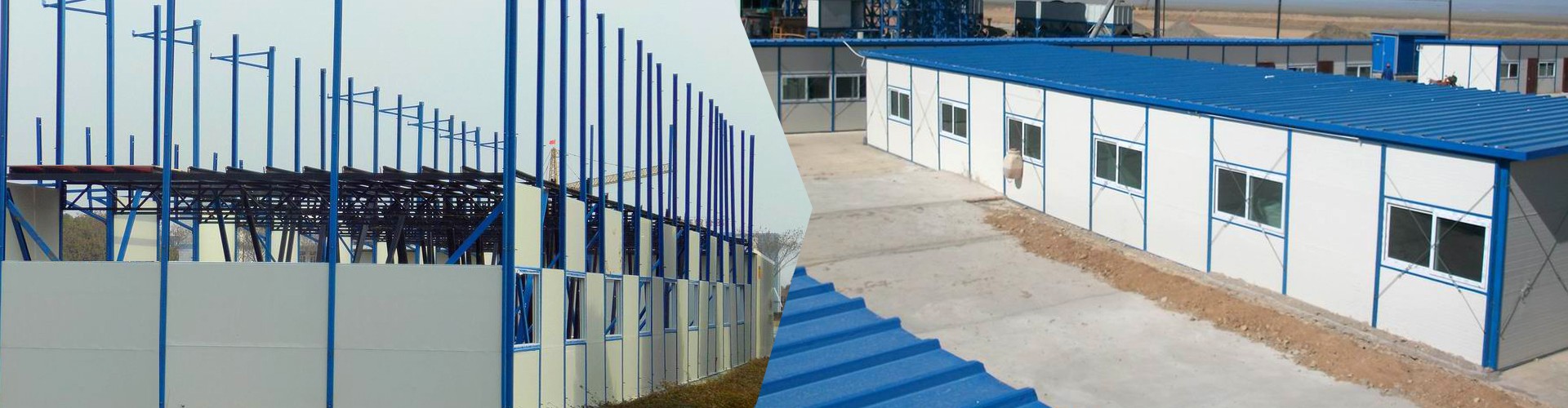

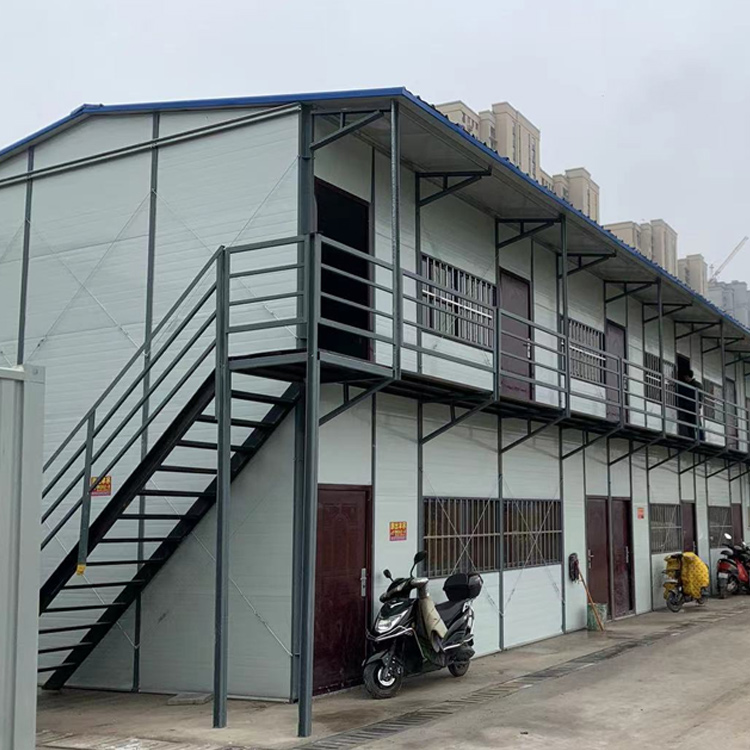
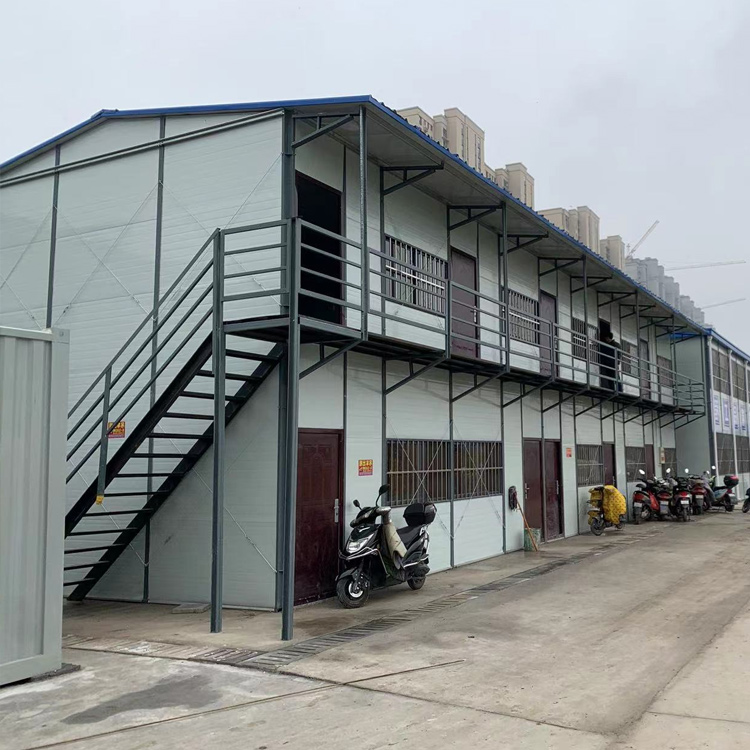
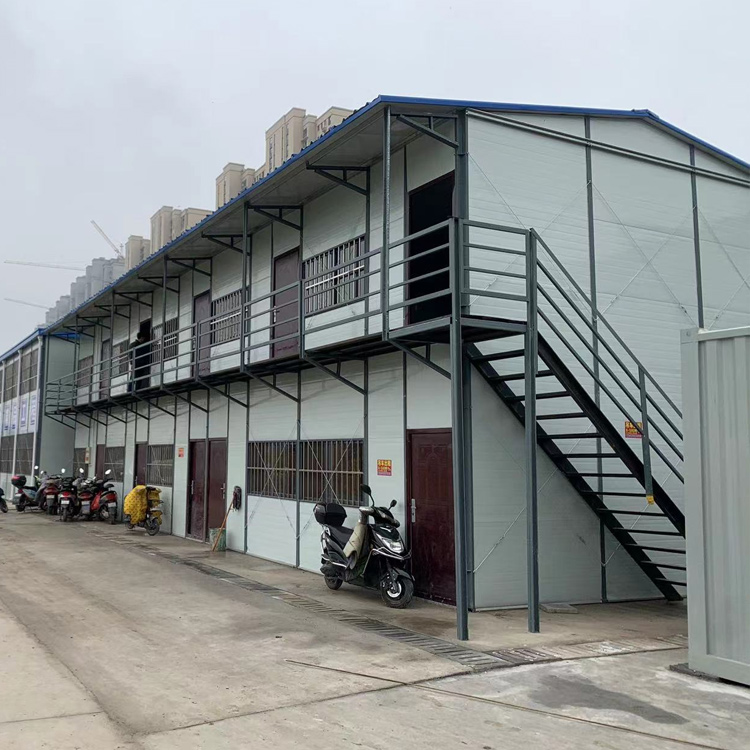
Mobile buildings, as a special type of architecture, have found widespread use in the modern construction industry. They offer numerous advantages such as portability, waterproofing, fire resistance, sound absorption, heat insulation, and environmental friendliness. They are suitable for various temporary housing, construction sites, field operations, emergency relief, and urban demolition scenarios. Moreover, they serve as an economical, practical, and aesthetically pleasing mobile office, accommodation, and commercial space. This article will detail the benefits of mobile buildings.
Lightweight and versatile
One of the advantages of portable buildings is their lightweight and flexibility. Made of steel structures, sandwich panels, resins, and other materials, they are inherently lightweight, allowing for easy movement, disassembly, and assembly. Portable buildings do not require any foundation support and can be installed anywhere at any time, offering great flexibility in use.
Excellent durability
The second advantage of portable cabins is their durability. Made of steel or color steel, these cabins possess excellent properties such as resistance to compression, seismic activity, water, fire, and corrosion. They have a high load-bearing capacity, able to withstand harsh weather and environmental conditions. Consequently, they have a lifespan of several decades and are also very convenient to maintain and service.
Eco-friendly and energy-saving
The third advantage of portable housing is its environmental protection and energy conservation. The materials used are mostly eco-friendly, such as resins and sandwich panels, and are complemented by advanced insulation materials to enhance soundproofing and thermal insulation, reducing energy consumption and lowering carbon dioxide emissions. Therefore, portable housing is an environmentally friendly, energy-saving, and sustainable green building.
Overall good
The fourth advantage of mobile homes is their integrity. Mobile homes are finished products that can be manufactured as a whole and transported to the site for assembly. Once assembled, they form a single building structure. Mobile homes have good integrity, are not prone to loosening, warping, or cracking, and have a solid structure that is safe and reliable. They will not deform or settle over time.
Aesthetically pleasing
The fifth advantage of mobile homes is their aesthetic appeal. They are not only convenient and practical but also visually appealing, with the ability to be customized according to customer needs. The exterior coating of mobile homes can be made from a variety of colors and textures, featuring a high gloss finish, durability, and resistance to fading. In demand for residential, office, and shopping areas, mobile homes incorporate modern design concepts to enhance the exterior beauty of the structures.
Safe and Reliable
The sixth advantage of mobile housing is its safety and reliability. Constructed primarily with steel and sandwich panels, it boasts high strength and can prevent sudden incidents. Inside, the mobile housing is equipped with electrical, water supply, and heating systems, all of which comply with national standards, ensuring safety for users throughout their use.
Versatile
The seventh advantage of portable cabins is their versatility. They can be designed and modified to meet various needs, catering to different usage scenarios. The assembly and disassembly of portable cabins are very convenient, allowing for flexibility and diversity to accommodate building requirements in various settings. Portable cabins can be used for residential, commercial, office, school, meeting rooms, restaurants, and more.
In summary, as a type of building, portable housing boasts unique advantages and is suitable for various temporary accommodations, construction sites, field operations, emergency relief, and urban demolition scenarios. It also serves as an economical, practical, and aesthetically pleasing mobile office, lodging, and commercial space. In the future, portable housing will find applications in an even broader range of settings.
