
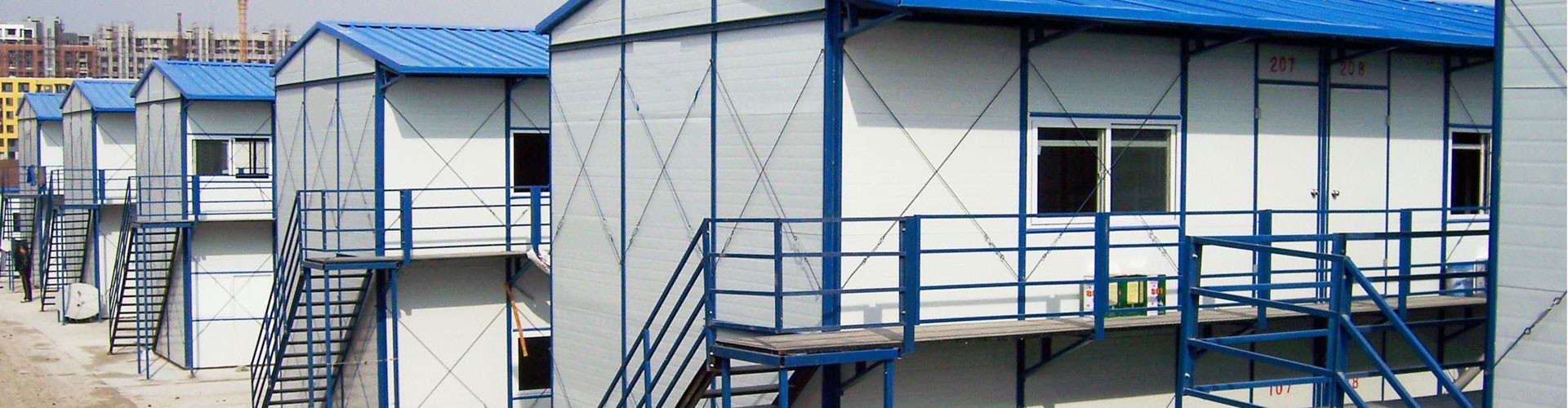
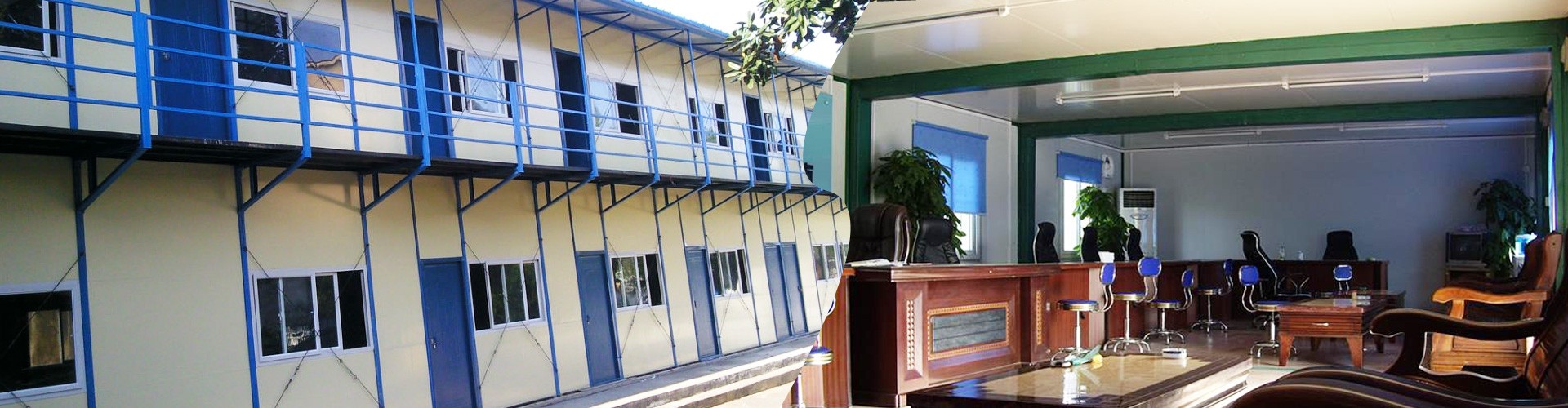
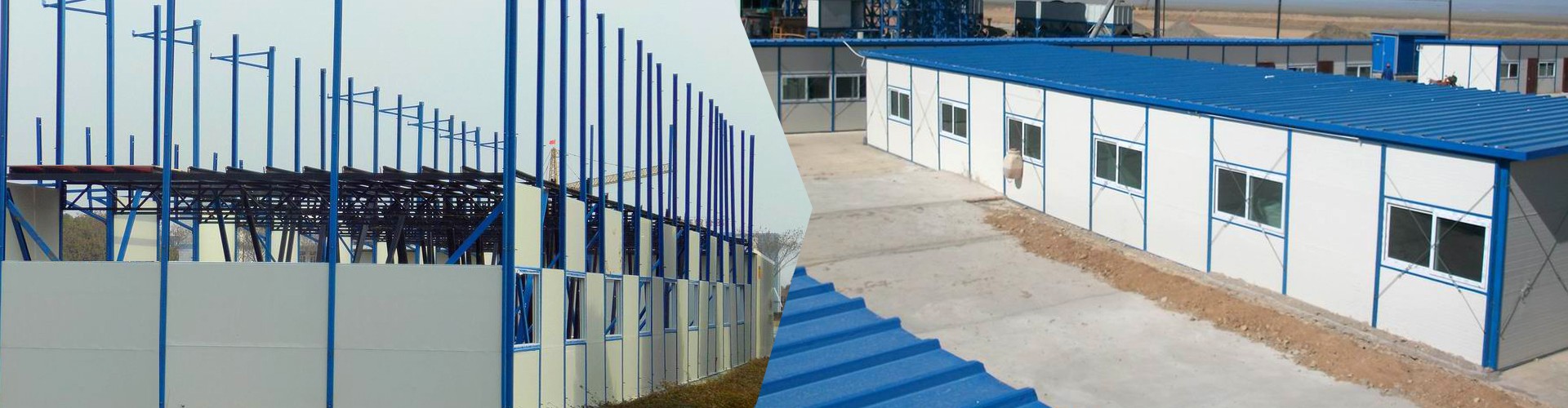

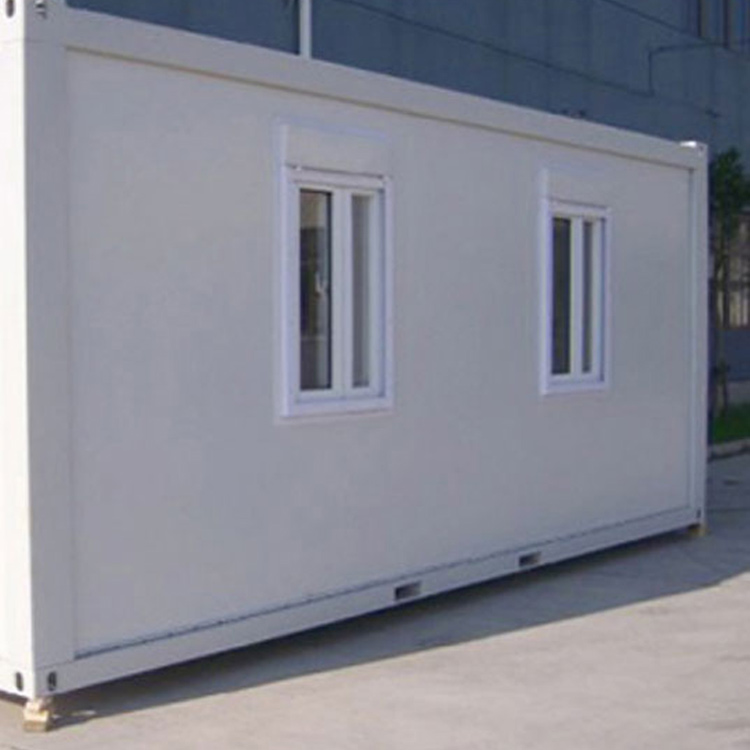
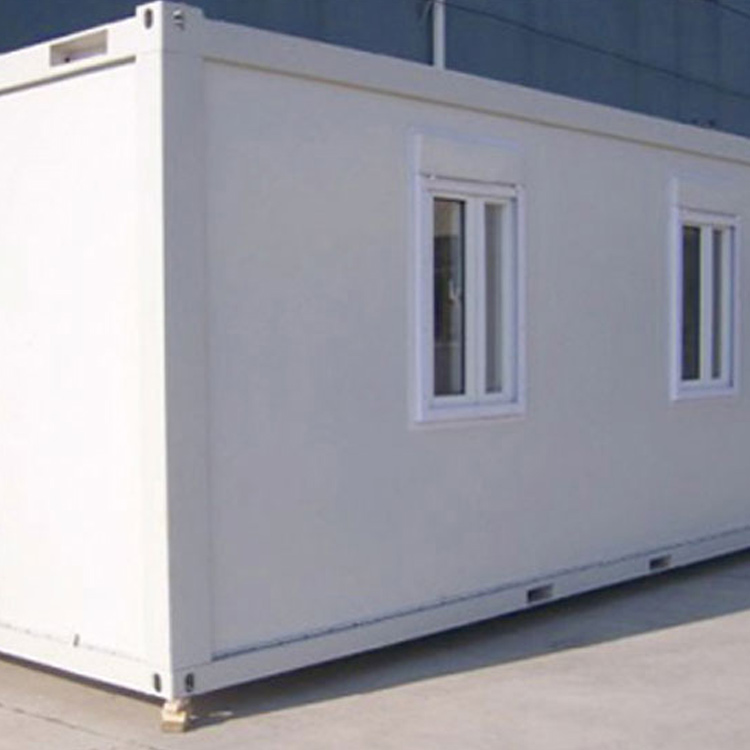
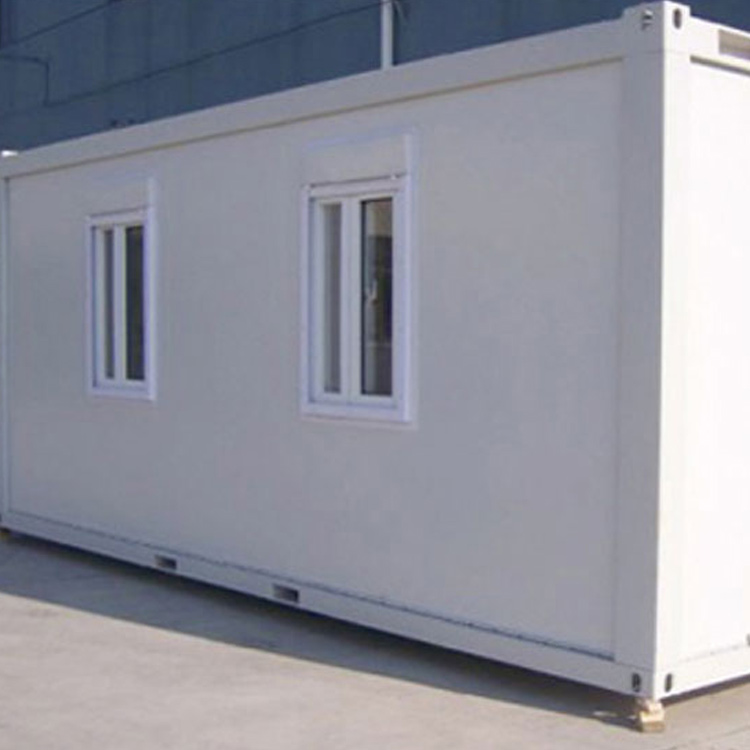
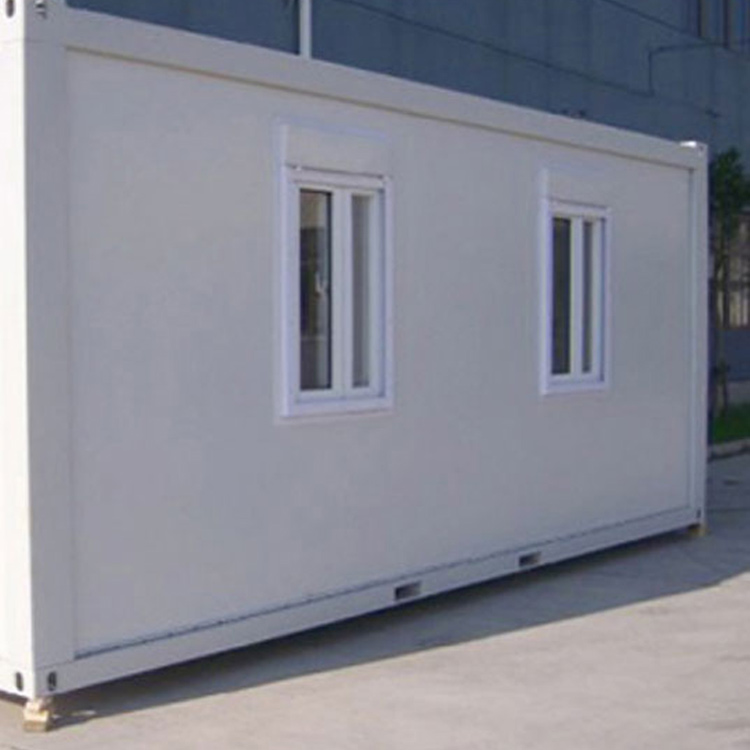
Mobile units, as a special type of building, have found wide application in the modern construction industry. They boast numerous advantages such as lightness, waterproofing, fire resistance, sound absorption, heat insulation, and environmental friendliness. They are suitable for various temporary housing needs, construction sites, field operations, emergency relief, and urban demolition. Moreover, they serve as an economical, practical, and aesthetically pleasing mobile office, living, and commercial space. This article will provide an in-depth look at the benefits of mobile units.
Lightweight and versatile
One of the advantages of portable cabins is their lightweight and flexibility. Made of steel structures, sandwich panels, resins, and other materials, they are inherently lightweight, allowing for easy movement, disassembly, and assembly. Portable cabins do not require any foundation support and can be installed anywhere at any time, offering great flexibility in use.
Excellent durability
The second advantage of mobile homes is their durability. Constructed with steel or color steel plates, these homes offer excellent properties such as resistance to compression, seismic activity, water, fire, and corrosion. Mobile homes have a high load-bearing capacity, capable of withstanding harsh weather and environmental conditions. As a result, their lifespan can last for several decades, and they are also very convenient to maintain and service.
Environmental Protection and Energy Saving
One of the advantages of portable cabins is their environmental friendliness and energy efficiency. The cabins are made with eco-friendly materials such as resins and sandwich panels, complemented by advanced insulation to enhance soundproofing and thermal properties. This reduces energy consumption and lowers carbon dioxide emissions. Therefore, portable cabins are an environmentally friendly, energy-saving, and sustainable green building option.
Good overall quality
The fourth advantage of mobile housing is its integrity. Mobile housing is a finished product that can be factory-assembled and transported to the site for assembly, forming an integrated building structure upon completion. With good integrity, it is not prone to loosening, deformation, or cracking; the structure is solid, safe, and reliable, and will not deform or settle over long-term use.
Elegant and tasteful
The fifth advantage of portable buildings is their aesthetic appeal. These buildings are not only convenient and practical but also visually pleasing, with customizable exterior designs to meet customer needs. The exterior coating can be made from a variety of colors and textures, ensuring a glossy finish that is durable and resistant to fading. In demand for residential, office, and shopping center applications, portable buildings incorporate modern design concepts to enhance the building's exterior aesthetics.
Safe and reliable
The sixth advantage of prefabricated houses is their safety and reliability. Constructed primarily with steel and sandwich panels, these houses offer high strength and are capable of preventing unexpected incidents. Inside, they are equipped with electrical systems, water supply, heating, and other facilities that all comply with national standards, ensuring safety for occupants during use.
Versatile
The seventh advantage of mobile homes is their versatility. They can be designed and modified to meet various needs, catering to different usage scenarios. The assembly and disassembly of mobile homes are extremely convenient, allowing for flexibility and adaptability to various event-specific construction requirements. Mobile homes can be used for residential, commercial, office, school, meeting room, and restaurant purposes, among others.
In summary, as a form of construction, portable buildings offer unique advantages and are suitable for various temporary housing needs, construction sites, field operations, emergency relief, and urban demolition. They are also an economical, practical, and aesthetically pleasing option for mobile offices, accommodations, and commercial spaces. In the future, portable buildings will find application in an even wider range of settings.
