

Steel structures are a type of building construction primarily made of steel. Known for their high strength, lightweight, excellent malleability, and corrosion resistance, steel structures are widely used in various architectural fields, such as factories, warehouses, sports facilities, bridges, and high-rise buildings. Below, we will delve into the characteristics, advantages, and applications of steel structures.
I. Characteristics of Steel Structures
High Strength: Steel has much higher strength than concrete, enabling it to bear significant loads.
2. Lightweight: With a relatively lower density, steel structures have a lighter self-weight, which can alleviate the load on the foundation.
3. High Malleability: Steel can be shaped through processes such as bending and welding, adapting to various site and construction requirements.
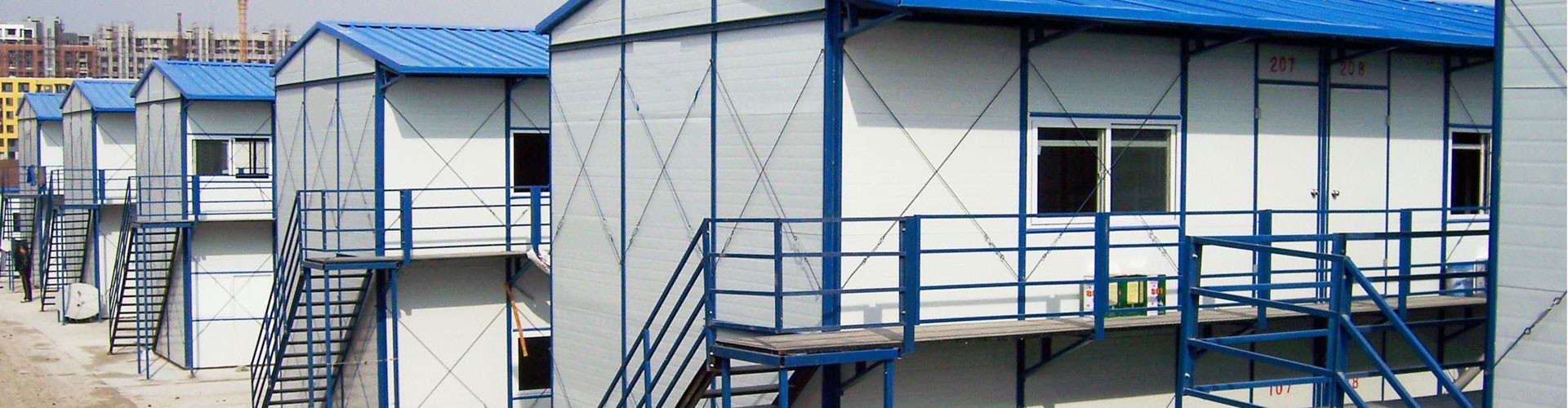
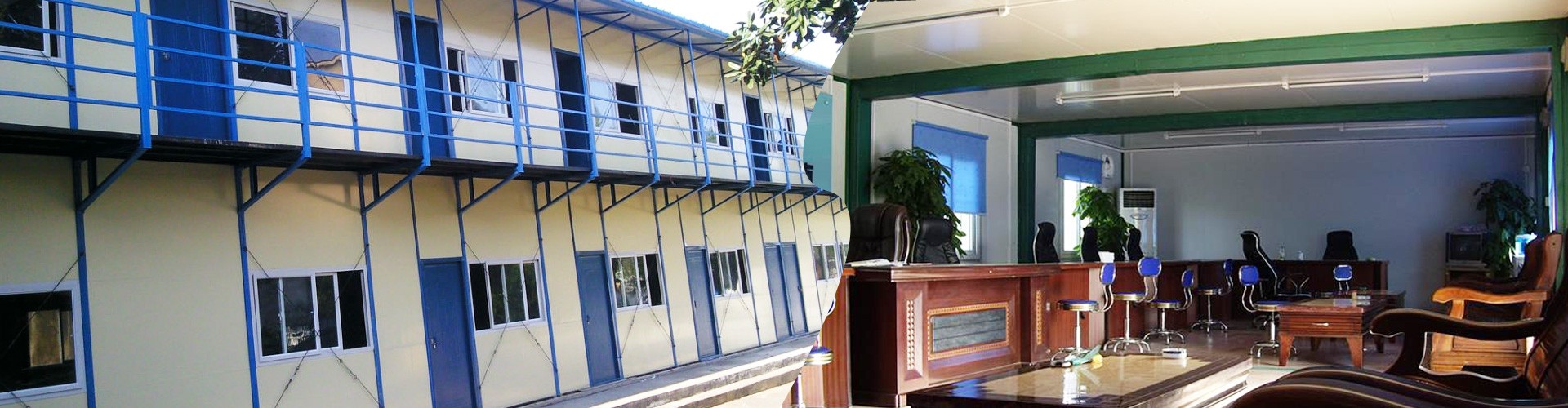
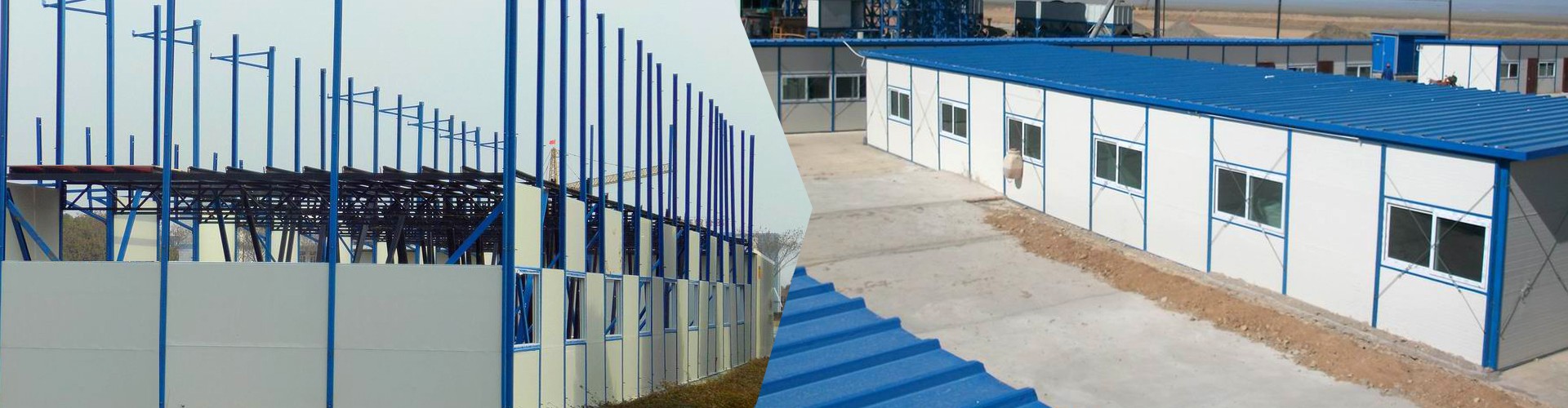
4. Construction Convenience: The assembly of steel structure buildings is fast, allowing for completion in a short period, thereby shortening the construction timeline.
5. Eco-friendly: Steel can be recycled and has a smaller environmental impact.
6. Excellent Seismic Performance: Due to the light weight and low inertia of steel structures, they can provide better protection during earthquakes and other natural disasters.
7. Excellent Corrosion Resistance: Steel structural buildings can employ anti-corrosion coatings and other measures to extend their service life.
Advantages of Steel Structures
Design Flexibility: Steel structure buildings offer high design flexibility, enabling the creation of various shapes and spatial effects. Additionally, the malleable nature of the material allows for greater freedom in design.
2. Cost-Effective Construction: The fast construction speed allows for shorter project timelines, resulting in lower construction costs. Additionally, it reduces the load on the foundation, lowering the cost of foundation construction.
3. Low Maintenance Costs: Steel structure buildings require no regular maintenance, reducing maintenance expenses and making it easy to inspect and replace parts.
4. Sustainable Development: Steel is a recyclable resource, and the use of steel structures in construction can reduce the generation of construction waste.
5. Versatile Adaptability: Steel structure buildings are不受地形和环境影响,able to accommodate various complex architectural forms and environments.
Section 3: Application of Steel Structures
Structural steel is not only used in industrial, commercial, and residential sectors but also in various specialized locations such as bridges, highway guardrails, solar power stations, and offshore wind farms.
Here are common applications of steel structures:
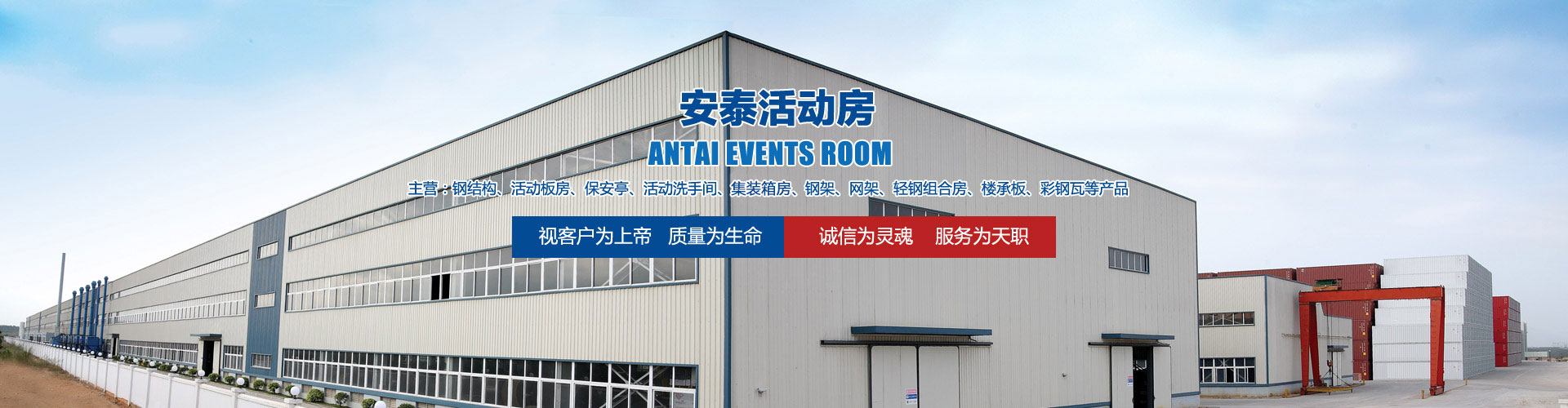
1. Industrial Buildings: Steel structures can be assembled quickly, making them suitable for production factories, warehouses, and other industrial sites.
2. Municipal Construction: Public buildings, stations, airports, and other large-scale facilities.
3. Commercial Use: Supermarkets, shopping malls, exhibition halls, and other commercial venues.
4. Sports Facilities: Including football fields, basketball courts, badminton courts, and other sports venues.
5. Bridges: Large-span steel structures bridges are characterized by their light self-weight, good seismic resistance, and rapid construction speed, and have been widely used for a long time.
In summary, steel structure buildings are playing an increasingly significant role in the construction industry due to their high strength, lightweight, excellent plasticity, environmental friendliness, and good seismic performance. With the advancement of technology, steel structure buildings are expected to have an even broader application in the future.
