

Container housing, as the name implies, is a type of architecture that transforms and processes container structures into residential, office, and other rooms. With the continuous advancement of social and economic development, container housing has become an increasingly popular emerging lifestyle, greatly facilitating people's living and office needs. Let's delve into a detailed introduction to container housing.
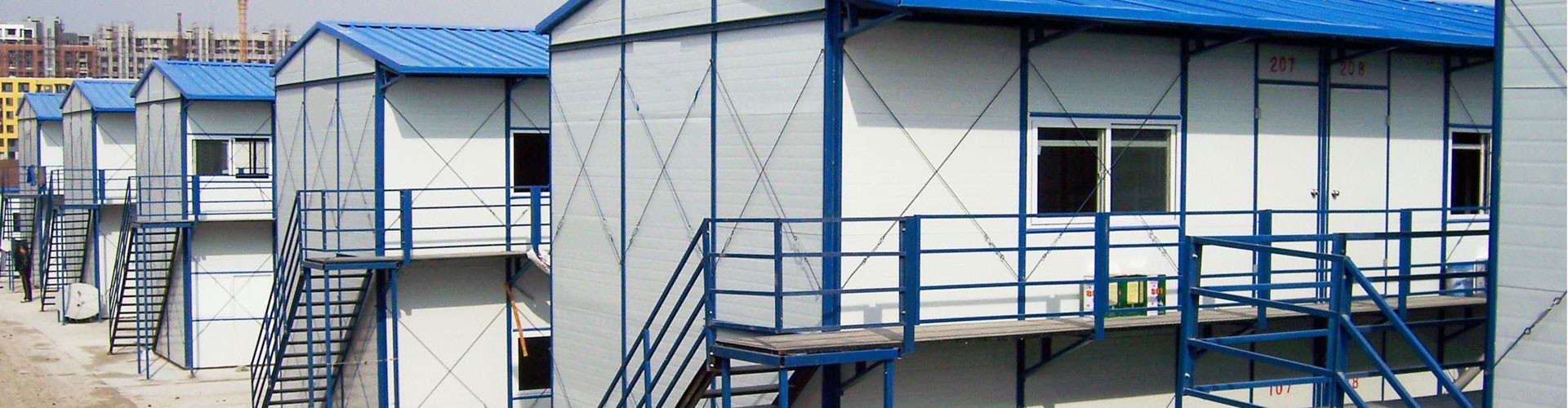
The History and Development of Container Homes The history of container homes can be traced back to the 1960s when containers were widely used for cargo transportation. With the rapid development of the transportation industry, containers found extensive application, and some discarded containers were produced. That's when creative individuals sensed this business opportunity and began experimenting with transforming discarded containers into homes, gradually giving rise to the emerging architectural form known as container homes. As technology continues to evolve, container homes are now being used on a large scale. In the past, the application of container homes was relatively limited, primarily serving as temporary and mobile structures in certain regions, such as dormitories on construction sites, waiting rooms at train stations, and temporary classrooms in schools. However, in recent years, with the advancement of technology, container homes have undergone significant improvements and upgrades, becoming a housing option that can rival traditional buildings. Their safety, comfort, speed, and environmental friendliness have also garnered attention from the public.
2. Characteristics and Advantages of Container Houses (1) Flexibility: The structure of container houses is extremely simple and can be easily adjusted in size to meet customer needs. They can be conveniently disassembled, moved, and reassembled, allowing for timely relocation without extensive reconstruction when changing work locations. (2) Cost-Effective: Container houses are relatively inexpensive, especially when compared to traditional construction. They not only save on building material costs but also significantly reduce costs during construction and maintenance. (3) Eco-Friendly: The materials used in container houses are environmentally friendly, being reusable steel. After modification, they can also utilize renewable energy sources like solar and geothermal power, enhancing their eco-friendliness. (4) Longevity: Container houses have a long lifespan, lasting for 20-30 years or more, which is comparable to the lifespan of traditional buildings. (5) Safety: Container houses are constructed with steel structures, ensuring adequate fire, seismic, wind, and flood resistance. They can also be sealed and soundproofed according to customer requirements, ensuring a comfortable and safe living or office environment.
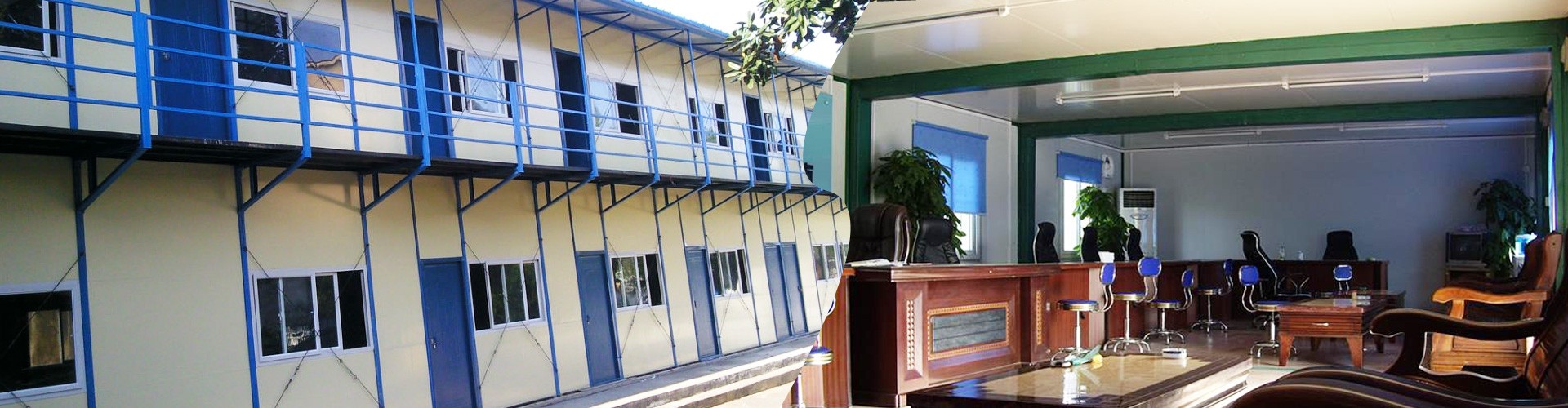
3. Applications of Container Houses (1) Residential: Container houses can be used for residential purposes, such as vacation villas, RV camping, tourist resorts, etc. They can also be integrated with traditional architecture to create various residential styles like villas and apartments. (2) Commercial: Suitable for commercial buildings like KTVs, bars, and cafes, container houses can meet personalized needs and offer high flexibility in environmental decoration. (3) Public Works: They can be applied in public projects like temporary road dividers, mobile bus stops, and tourist attraction restrooms, providing convenient and quick services to the public. (4) Office: Container houses can serve as individual offices, team offices, and meeting rooms, catering to various office needs. Additionally, they can be disassembled and have their exterior walls replaced with windows and doors, significantly improving the office environment.
4. Challenges Faced by Container Housing Despite the wide application of container housing, it also encounters certain issues that need to be addressed. On one hand, although container housing is cost-effective, the numerous manufacturers in the market have led to significant price variations, which not only affects the standardization of the industry but also causes consumers to face dilemmas and difficulties in selection. On the other hand, with the expanding scope of container housing, it is particularly important to strengthen relevant standards and regulations to meet the high-quality demands of customers. In summary, container housing is a novel and unique architectural form that offers great surprises in terms of appearance, structure, and functionality. It injects a new vitality into modern urban construction and sparks endless imagination for the future of city development.
