
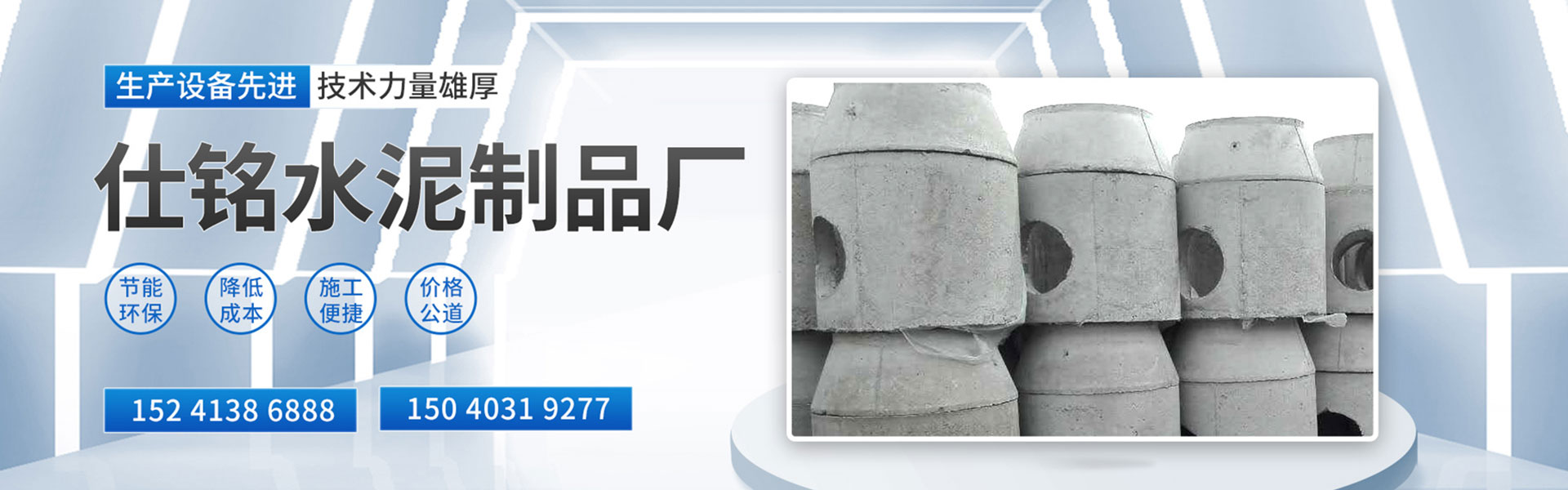



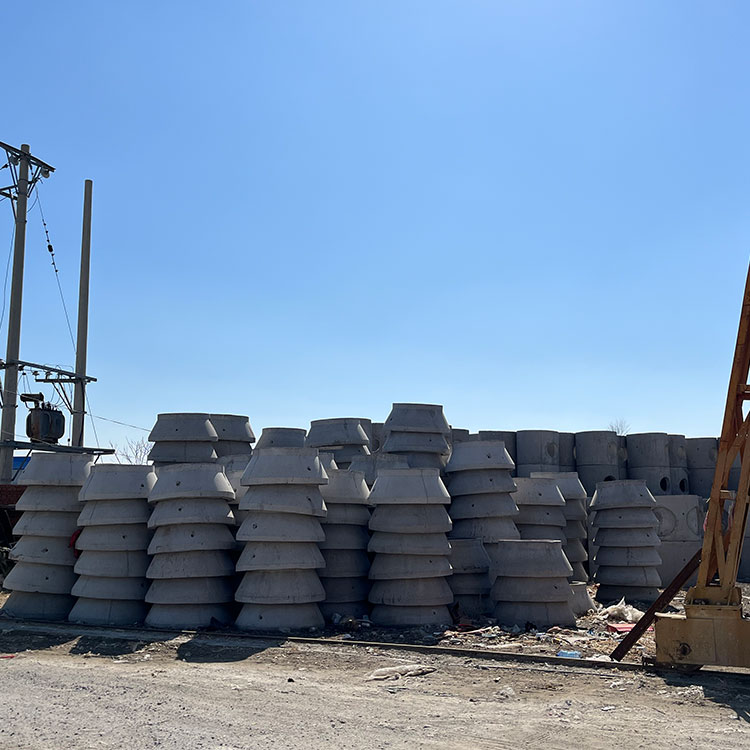
Shenyang manholes are designed for the repair and installation of urban underground infrastructure, including power supply, water supply, drainage, sewage, communication, cable TV, gas pipelines, and streetlight lines. They are conveniently located at pipe intersections, bends, changes in pipe diameter or slope, and at regular intervals along straight pipe sections, facilitating periodic inspections of the associated structures. Below, we introduce how manholes are categorized.
Shaoyang manholes are categorized by the materials used: there are brick-built manholes and reinforced concrete manholes.
Shaungyang manholes are categorized by their functional uses:
General Inspection Manholes: Inspection manholes are typically installed at intersections, bends, changes in pipe size or slope, as well as at fixed intervals along straight pipe sections.
2. Drop Well: A manhole equipped with energy dissipation devices. It comes in two types: vertical pipe and overflow weir. The former is suitable for pipes with a diameter of D≤400mm, while the latter is suitable for pipes with a diameter of D>400mm.
3. Ventilation Well: Organic matter in wastewater often settles and undergoes anaerobic fermentation in pipes, producing gases. When these gases are mixed with a certain volume of air and ignited, they can cause explosions, even fires. To prevent such accidental incidents and ensure that staff can operate during pipe inspections, vent pipes are sometimes installed in manholes. Manholes equipped with vent pipes are known as ventilation wells.
4. Seal Well: A well equipped with a water-seal device to isolate explosive and flammable gases from entering drainage channels, preventing potential explosions or fires in areas where the channels may encounter flames. Such wells are known as seal wells.
