
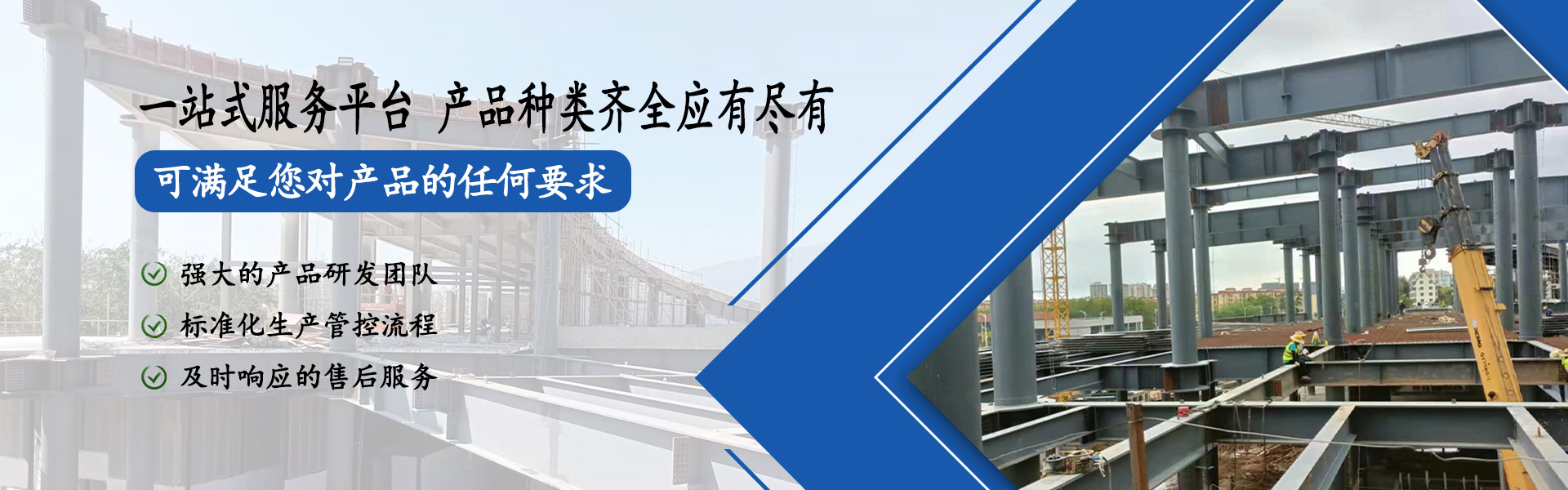

After completing the final tightening of high-strength bolts in mixed node bolting, alignment, and hoisting for steel structure engineering, welding begins to form a stable framework.
When performing steel structure construction welding, select several benchmark sections based on the shape characteristics of the steel structure, start by welding the seams between the main beams and columns, and then expand the welding to all sides to avoid the accumulation of shrinkage deformation in one direction.
Layer-to-layer column-beam joint assembly completed in a steel column; the welding of the joint connections is performed in an ascending order from top to bottom to ensure the stability of the frame.
In steel structure engineering, mixed node connections should be assembled first, followed by welding, to prevent shrinkage from causing displacement between holes.
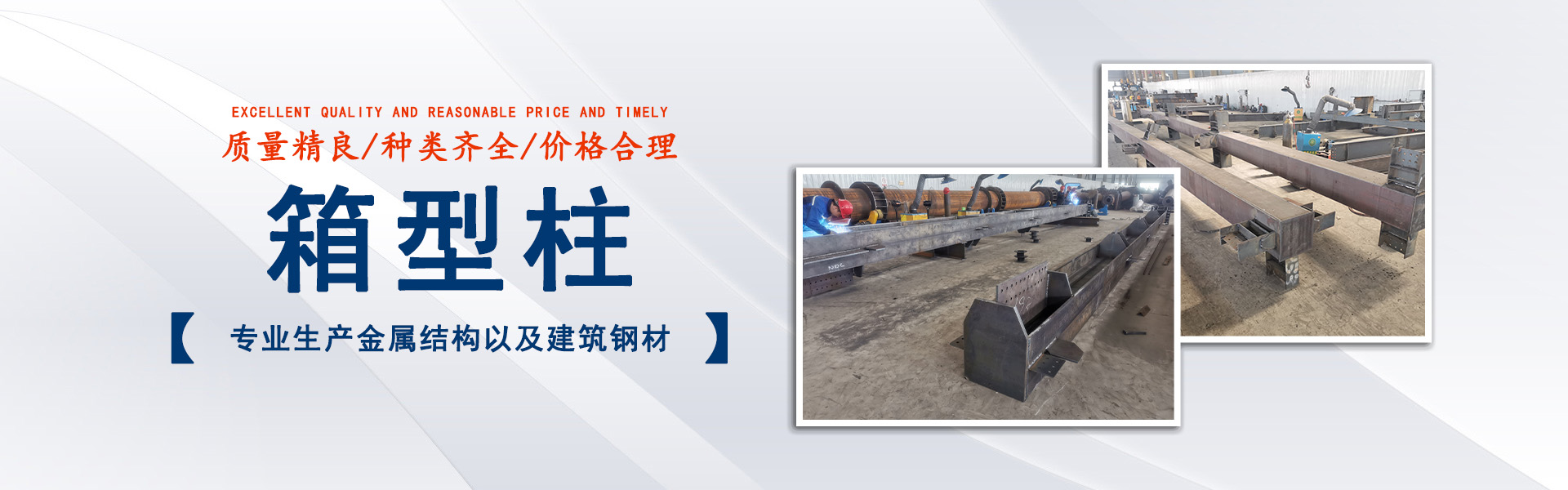
5. Steel Column -- The two beams on either side of the column-beam joint should be welded simultaneously to the column to reduce welding restraint and prevent the occurrence of welding cracks, as well as to prevent the column from tilting.
6. The welding of steel columns and column joints is naturally carried out from the lower to the upper layer. Due to the lateral shrinkage of the weld and settlement caused by gravity, it may lead to the accumulation of elevation errors. After installing and welding several sections of columns, adjustments to the column length should be requested from the steel component manufacturer in a timely manner, based on the actual deviation, to ensure installation accuracy in the height direction.
