



[Equipment Features]
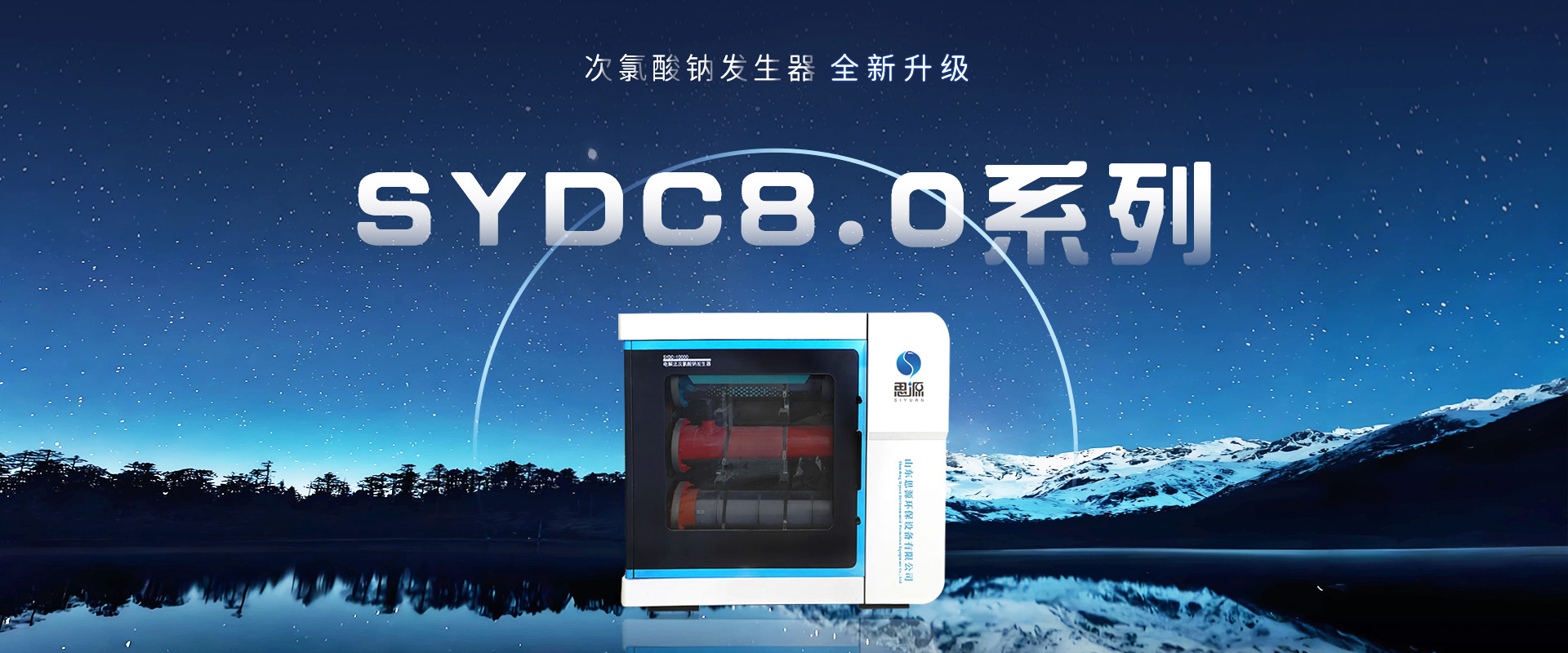
The Sodium Hypochlorite Generator is designed in a modular configuration, with salt dissolution, dilute brine preparation, dosing, and sodium hypochlorite recirculation all taking place within a single tank. This design offers advantages such as low investment, minimal space requirement, and flexible setup.
The generator is a combination of tubular, internally cooled, single, and serially connected configurations. The generator's anode is based on titanium, coated with ruthenium dioxide, featuring low potential and long lifespan. Under normal operating conditions, each generator can continuously produce for 200 to 300 hours per session. The sodium hypochlorite generation process is a diaphragm-type natural circulation form, resulting in high salt utilization rate, high current efficiency in the electrolysis process, large yield of sodium hypochlorite, low energy consumption, and low operating costs.
Although sodium hypochlorite solution has a strong bactericidal and disinfectant effect, it can affect the...Sodium ChlorateThere are many factors affecting the sterilization effect of generators. These factors are mainly the following common ones:
First, the optimal storage temperature for sodium hypochlorite solution is 25 degrees Celsius, and under these ideal conditions, it can be stored for approximately 1.5 days. If the storage temperature falls below this standard, it will affect the quality of the sodium hypochlorite solution.
Through the electrolysis of sodium hypochlorite generators, the sodium hypochlorite solution produced will experience a loss of effective chlorine over time during storage. Chlorine is the main element in sodium hypochlorite responsible for disinfection, so if effective chlorine continually diminishes, the antibacterial and disinfectant efficacy of the sodium hypochlorite disinfectant will significantly decrease.
