
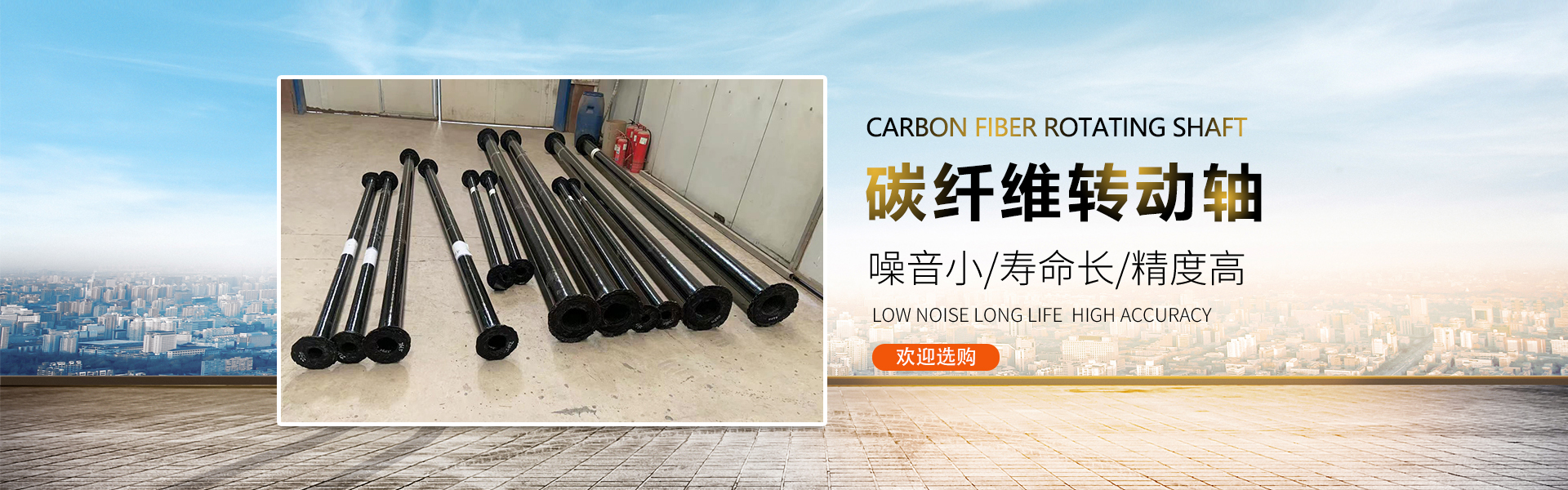


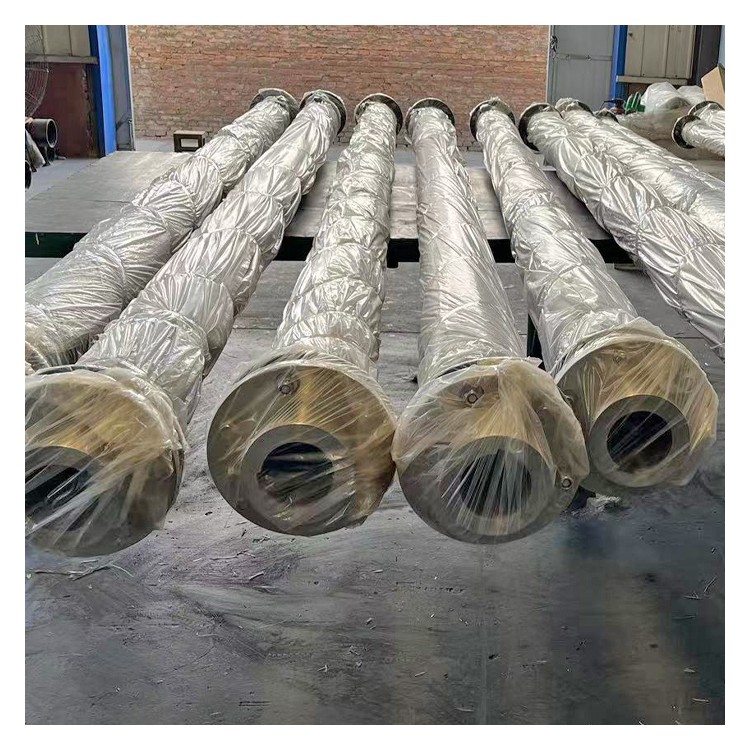
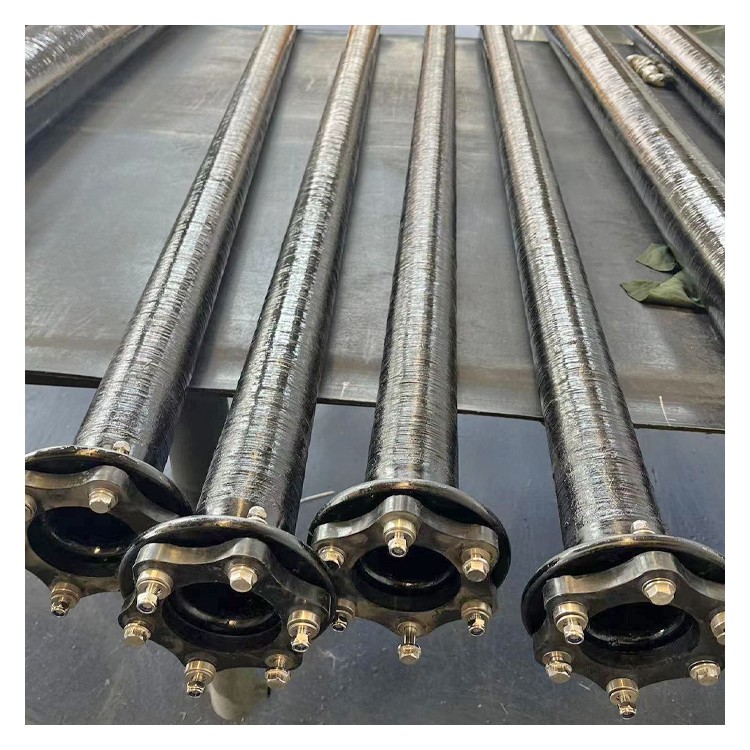
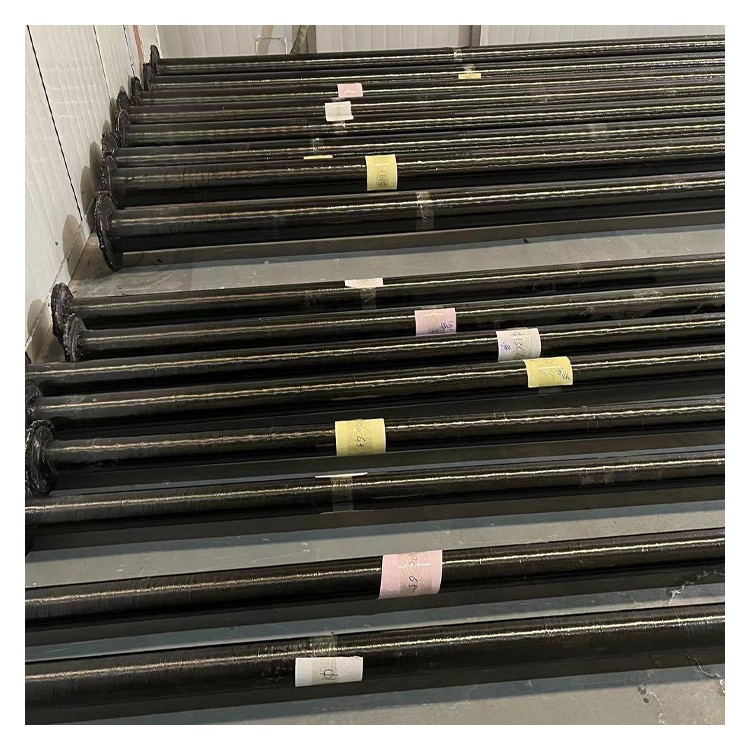
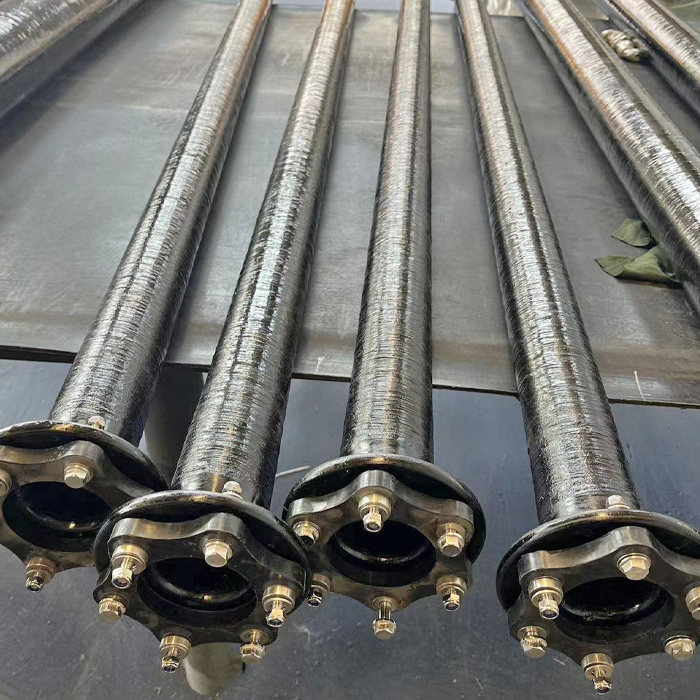
Carbon fiber composite drive shafts are not only lightweight with excellent fatigue and corrosion resistance, but also produce less noise, have good vibration damping, and offer high safety. They are particularly suitable for heavy-duty drive shafts in large machinery. Carbon fiber composite drive shafts can be categorized into two types based on their structural form: monolithic and assembled. Monolithic structures can be formed through continuous fiber weaving and curing, while assembled shafts are formed by connecting two or more components into a single unit. The assembled type drive shafts are widely used due to their simple manufacturing process and good mechanical properties.
The drive shaft primarily withstands torque during operation. One of the advantages of carbon fiber composite materials is their high tensile strength. To bear large torques, the drive shaft must first ensure the continuity of the fibers. The hand-laid-up process, which uses carbon fiber fabric for production, requires the fabric to be cut into various diameters and shapes as per requirements. This results in the fibers in each layer becoming individual units without continuity, significantly reducing the torsional strength of the carbon fiber tube.
