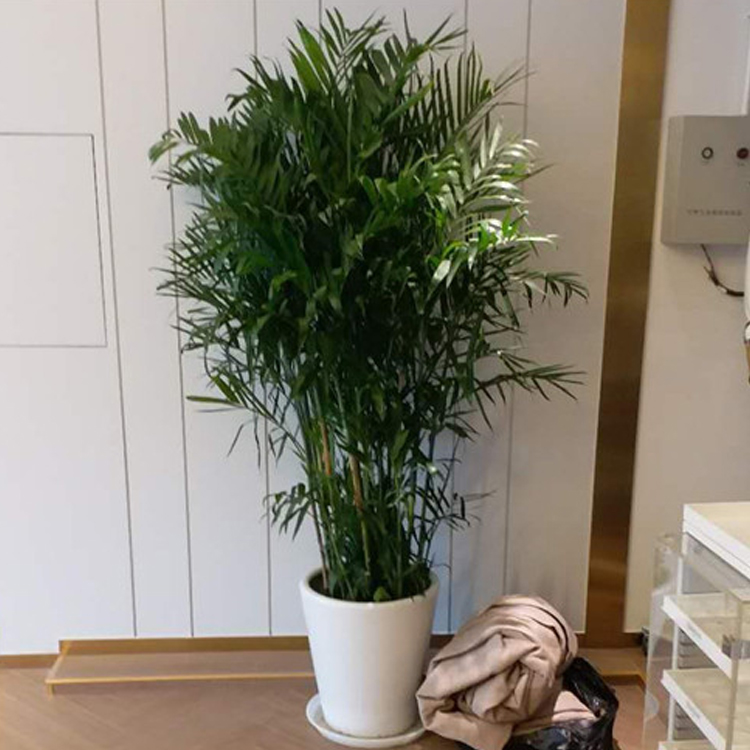

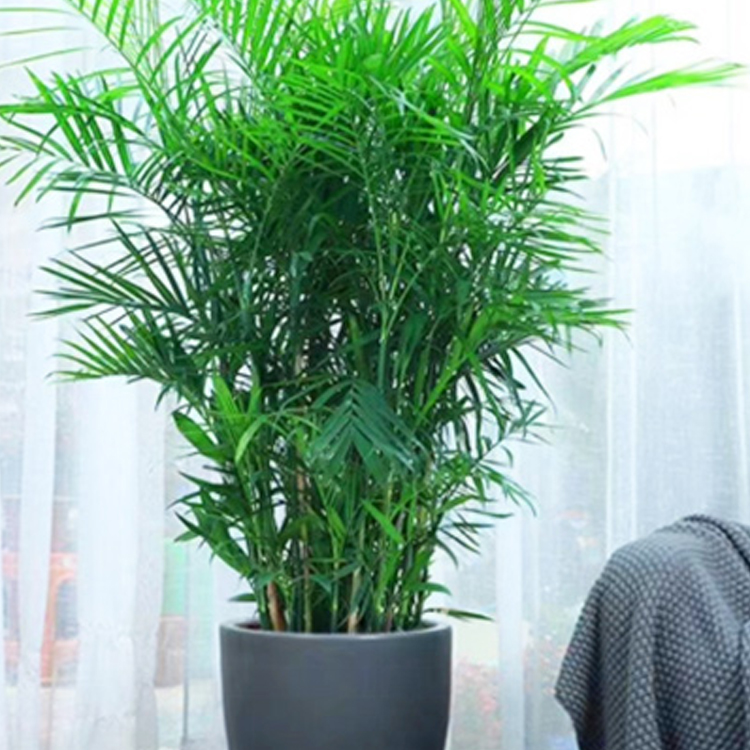
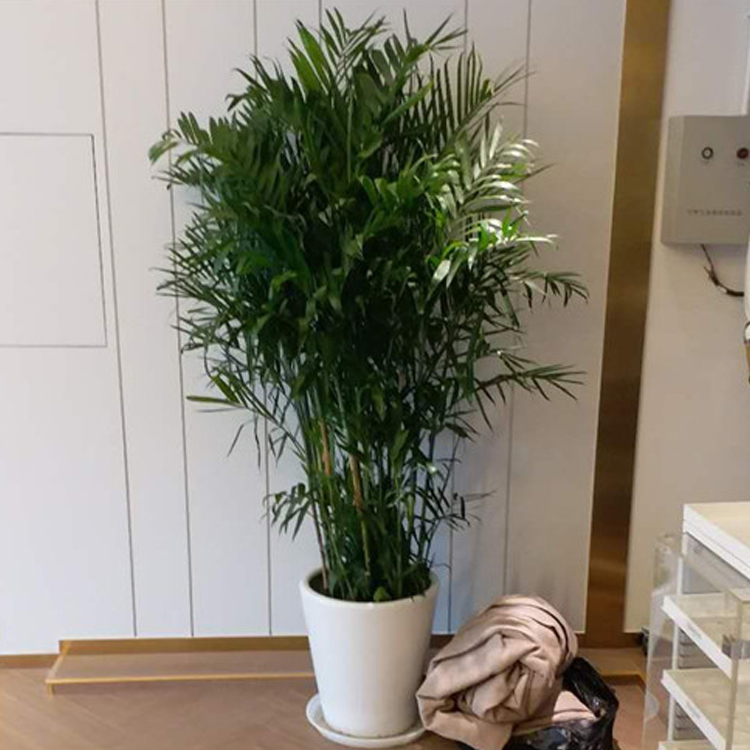
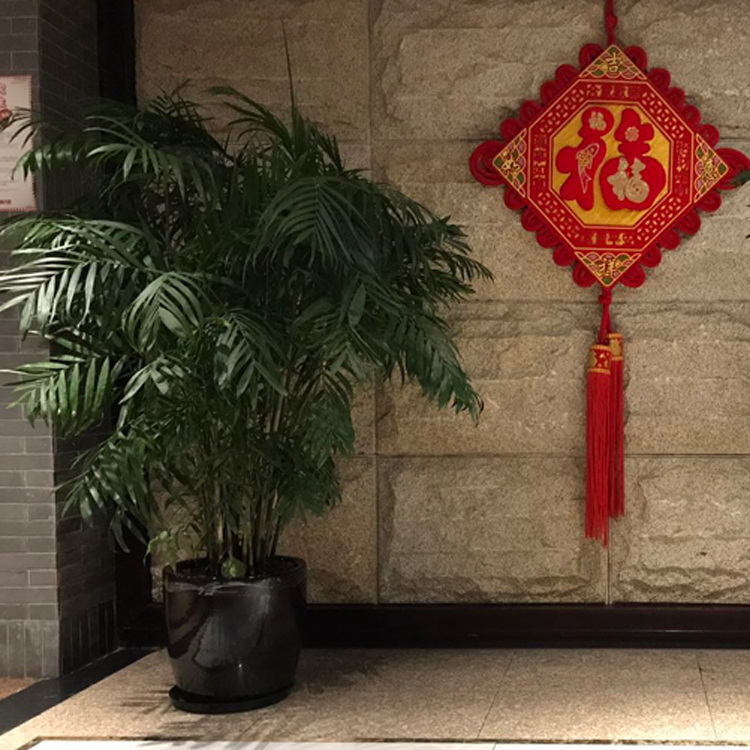
Alias:Bamboo Palm, Bamboo Coconuts, Bamboo Stem Elegance Coconuts
Distribution Area: 中南美洲热带地区,中国台湾省有批量种植。
Growth Environment:Prefers a warm, humid, and semi-shaded environment
Breeding Method:Sowing propagation, division propagation
Hawaiian Coconut, also known as Bamboo Stem Coconut, Bamboo Joint Coconut, Snowflake Coconut, etc., is a clumping evergreen shrub in the palm family and the genus Copernicia, native to Mexico, Guatemala, and other regions. It is primarily distributed in tropical areas of Central and South America and has adapted well in southern China.
Hawaiian Bamboo Care Tips
1. Temperature
Prefers warm conditions, optimal growth temperature is 20-30℃; bamboo stem coconuts thrive in temperatures of 20-28℃. Can grow normally if the winter temperature is kept above 1℃. Somewhat frost-tolerant, can withstand short-term temperatures around 0℃, but it's best to maintain above 5℃ for overwintering. Bamboo stem coconuts have greater frost resistance, capable of enduring short-term temperatures around -5℃.
2. Lighting
Prefers semi-shade, thriving in conditions with ample diffused light. Avoids direct strong sunlight, as the leaves may turn yellow and fade under intense light. Highly shade-tolerant, it can be placed in a relatively dim indoor environment for 1-2 months without causing significant negative effects on the plant. During May to September, shading should be applied to block 40%-70% of the sunlight. During other times, it can be cultivated in full sun or in semi-shade.
3. Irrigation
Thrives in moist soil conditions, requiring ample watering during growth to maintain soil moisture. However, avoid overwatering, as it can lead to root rot. In winter, control watering to keep the soil relatively dry.
4. Environmental Humidity
Thrives in moist environments; during the growing season, it's advisable to frequently spray water on the branches, leaves, and surrounding area to increase relative air humidity, which can promote plant growth and result in lush, glossy leaves. Excessive dryness can cause the leaves to lose their luster and lead to withered tips and edges.
5. Fertilization
Apply 1-2 times of nitrogen-based fertilizer per month during the growing season. Cease nitrogen fertilization in September and apply 1-2 times of phosphorus and potassium fertilizer to aid plant wintering. Stop fertilizing during winter.
6. Potting
Generally, repotting should be done once every 1-2 years, preferably from spring warmth to early summer, as it is not advisable during the summer heat or winter cold. They prefer loose, humus-rich, and well-draining soil, and the substrate can be made from decomposed leaf soil, peat, river sand, and perlite, among other materials. It is not recommended to plant in clayey soil.
7. Pest and Disease Control
Under high temperature and humidity conditions, downy mildew and black spot disease are prone to occur. Additionally, pests such as red spiders and scale insects are harmful. When black spot disease is prevalent, the leaves develop small, brown, circular spots, which later expand into larger, black-brown circular or elliptical spots with slightly raised edges.
8. Growth Habit
Hawaii bamboo thrives in high temperature and humidity, with an optimal growth temperature of 20-30°C and can withstand temperatures as low as 0°C. It is shade-tolerant and fears direct intense sunlight. The bamboo joints resemble palm leaves, while the stems mimic green bamboo, exuding an elegant and unique charm.