


- AllProduct Category
-
Reclaimed Central Air Conditioning
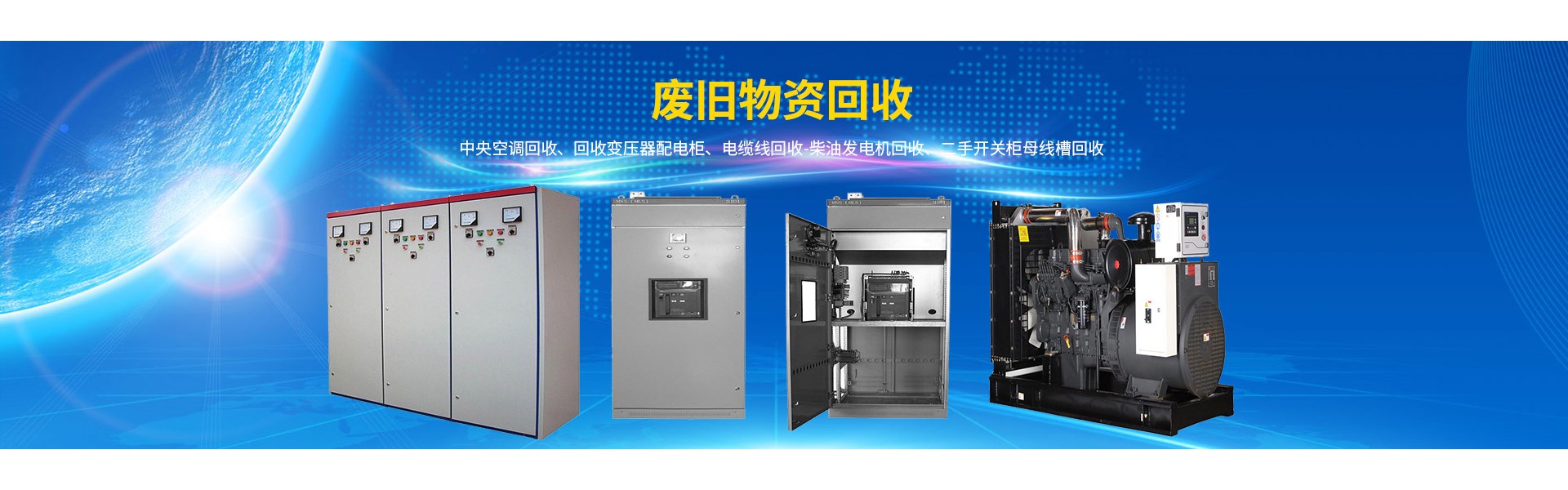
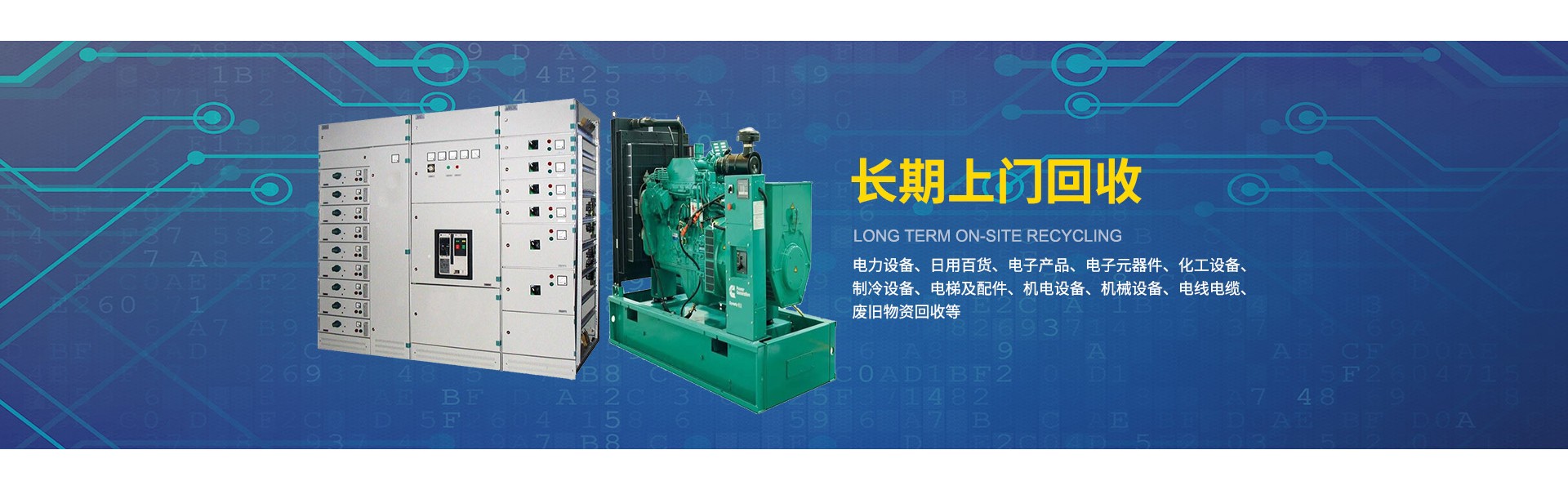
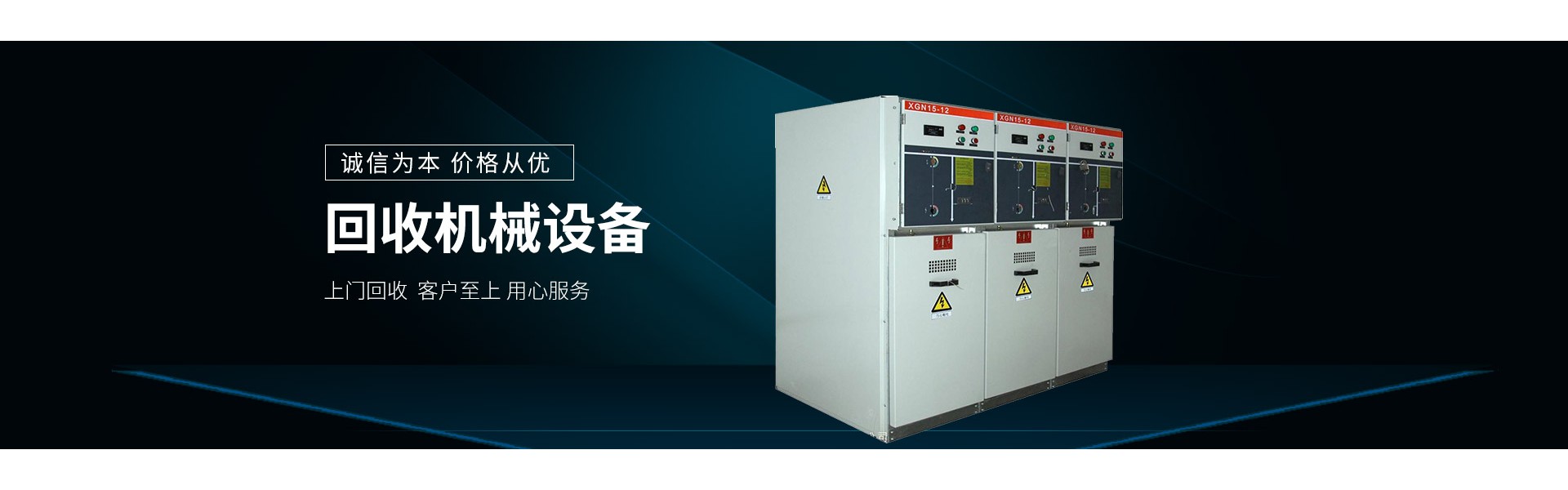
Power Distribution Cabinet Recycling
Transformer Recycling
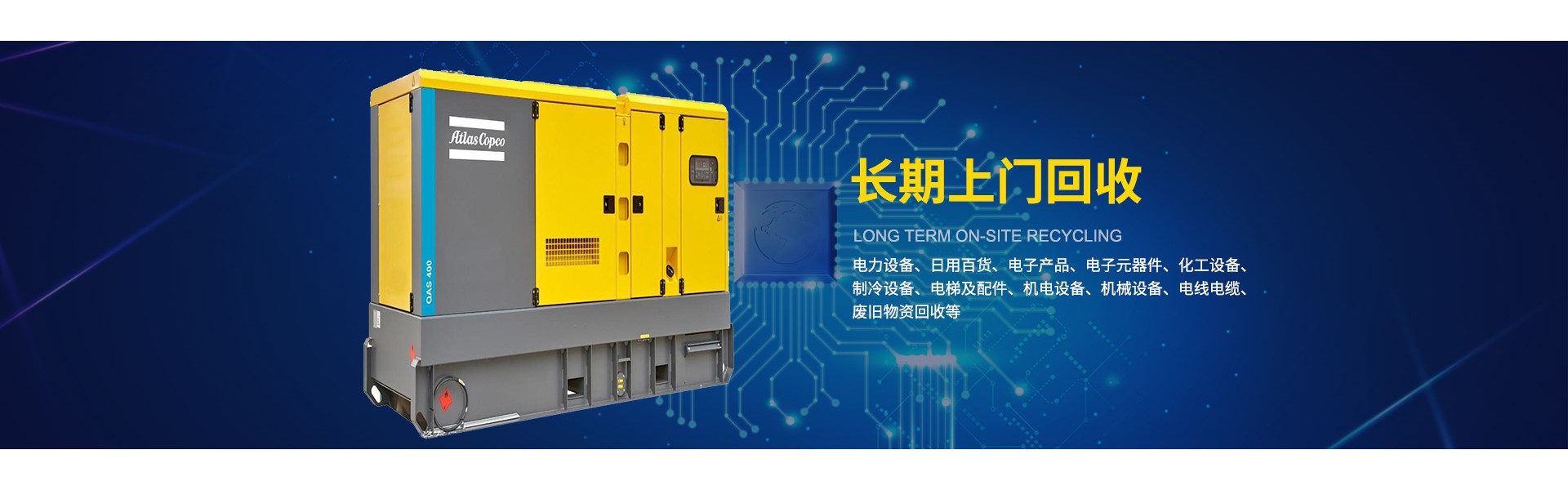
Diesel Generator Set Recycling
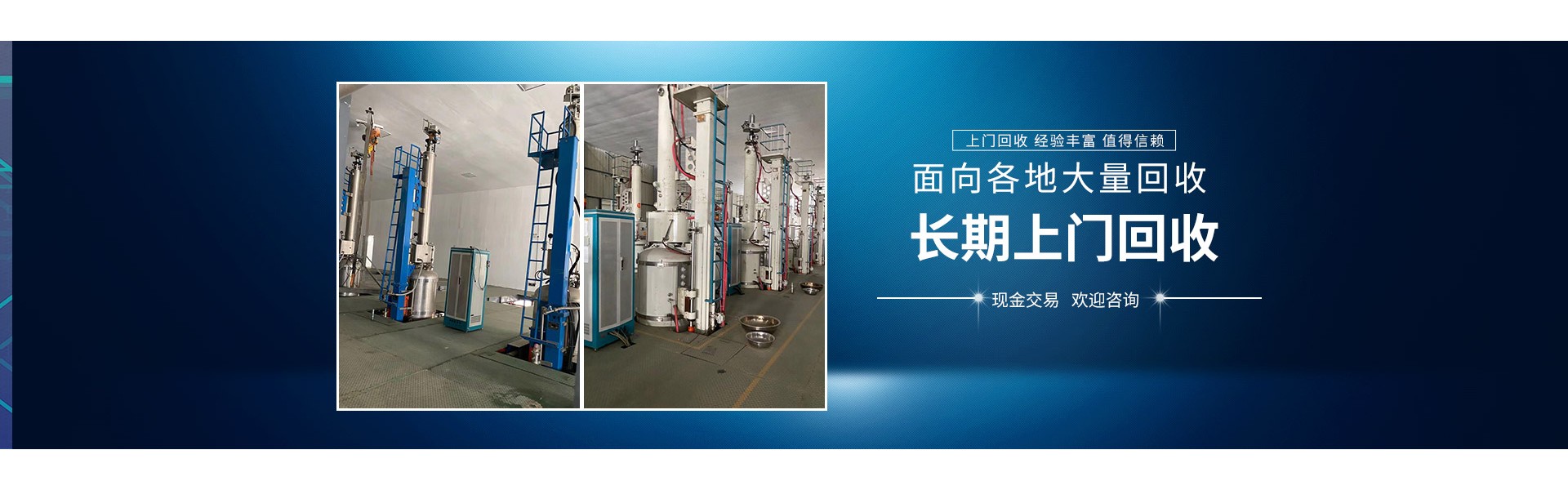
Sapphire Crystal Growth Furnace Recycle
Traction Single Crystal Furnace Recovery
High/Low Voltage Switchgear Recycling
Power Busbar Recycling
High/Low Voltage Cable Wire Recycling
Vacuum Circuit Breaker Recycling



Recommended Products

Liu Shi second-hand vacuum circuit breaker recycling; electrical distribution cabinet recycling

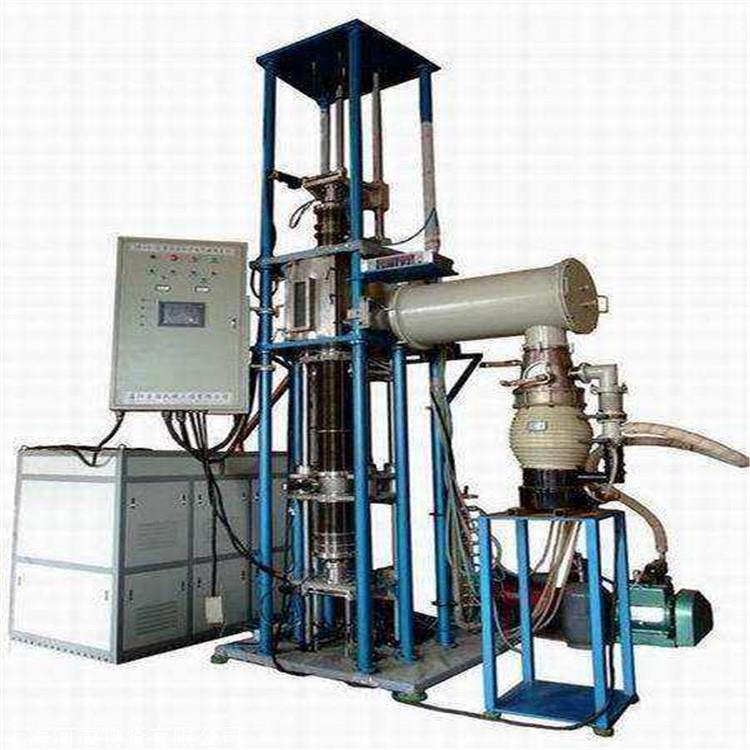
Jiaxing Tongxiang second-hand vacuum furnace recycling, Maanshan second-hand long crystal furnace recycling

Dongyang purchases low-voltage distribution cabinets and box-type power transformers for recycling.
Liu Shi second-hand vacuum circuit breaker recycling; electrical distribution cabinet recycling
Jiaxing Tongxiang second-hand vacuum furnace recycling, Maanshan second-hand long crystal furnace recycling
Dongyang purchases low-voltage distribution cabinets and box-type power transformers for recycling.
详情描述
Jinhua Yongkang Silicon Rectifier Power Cabinet Recycling, Ningde Tugging Type Monocrystalline Furnace Recycling
Single Crystal Furnace Recycler Introduction - Recycles various second-hand single crystal furnaces, including sapphire crystal growth furnaces, multicrystalline silicon ingot casting furnaces, crucible growth furnaces, multicrystalline crystal growth furnaces, horizontal crystal growth furnaces, pulling single crystal furnaces - purchasing straight pulling single crystal furnaces of 85/90/95/100 types, complete single crystal recovery and lifting equipment, control cabinets, rectifier cabinets, filter cabinets, medium-frequency electric furnaces, elevators, freight elevators, escalators, power transformers, dry-type transformers, chemical equipment, gearboxes, cold storage, refrigeration equipment, air conditioners, water-cooled units.


During the melting period, oxidation occurs as the charge is nearly fully melted and covered by slag. A sample is then analyzed, and the composition of the steel and slag is adjusted based on the analysis results. At this point, the furnace atmosphere is oxidizing, with oxygen from rusted scrap steel, iron oxide produced by the oxidation of scrap steel during melting, or iron oxide from the iron ore charge. Elements like silicon, phosphorus, and manganese in the molten steel will oxidize in large quantities. If the molten pool has a sufficiently high temperature, especially during oxygen blowing, the steel near the oxygen lance can cause carbon oxidation. Recovery methods include molecular pump recovery, vacuum pump recovery, vacuum flowmeter recovery, PLC programming recovery, control panel recovery, ion pump recovery, turbo molecular pump recovery, screw vacuum pump recovery, and rotary high vacuum pump recovery. The hydraulic drive unit accurately completes the opening of the main and auxiliary chambers, and after the chambers rise to the correct position, they are symmetrically rotated out to ensure the stability and reliability of the main unit, making it easy to remove the crystal, disassemble the thermal system, and clean various parts inside the furnace. The furnace components are made of 316L stainless steel, with integral forging of flanges, and have undergone vibration stress relief, defect inspection, and flaw detection as well as helium leak detection.

Jinhua Yongkang Silicon Rectifier Power Cabinet Recycling; Ningde Pulling Type Single Crystal Furnace Recycling
Recycling photovoltaic products and equipment, compensation cabinet recycling, capacitor cabinet recycling, rectifier cabinet recycling, power supply cabinet recycling, recycling single crystal furnaces, recycling second-hand single crystal furnaces, recycling single crystal silicon growth furnaces, 20 sets of second-hand 85-type华盛天龙single crystal furnaces for sale in Hanhong, Beijing Jinyuntong, Zhejiang Jingsheng, Beijing Jinyi, Changzhou Huashengtianlong, Changzhou Jiangnan Power, Ningxia Jinyang, U.S. KEYEX, Xi'an University of Technology, Wenzhou Yongtai, China Electronics 48th Research Institute, Beijing Nonferrous Metals Institute, Chenhua, Jinzhou Electric Furnace, Shenyang Maikes, Huashengtianlong, Jingsheng Machinery and Electrical, Hanhong, Jinding, Xi'an University of Technology, Qixing Huachuang, Jinyi, Chuanglian, Qike, Yongtai, Shizong, Jiangnan Power, and other brands' furnaces are generally categorized domestically by school, with European and Japanese systems. In terms of European systems, Yuyao Jingsheng and Wenzhou Yongtai, both of whose control systems can be said to have originated from the same source. As for Japanese systems, take Hanhong as an example; currently, the Yongtai single crystal furnace is quite good to use, and its control system is personally believed to be comparable to Jingsheng's! Jingsheng was also developed from the Kaysos system, with a system改造. The research and development functions of Yongtai's control system are some more practical than the original Kaysos system. Another is Hanhong's furnace, whose control system was made by Japanese, and it is also quite good to use. These three have a high level of automation, so it depends on personal preference... There are many other furnaces domestically, such as Xi'an University of Technology, Chuanglian, Jiangnan Power, Tianlong, Qixing Huachuang, Jinding, Jinyang, Jinyuntong, and so on.

To simply identify the live wire, take a 220V bulb and use a voltage tester to confirm the live wire. Then, connect two wires to the bulb socket, one to the live wire and the other to the bulb. The brighter wire is the neutral, and the slightly dimmer one is the earth wire. Use a multimeter. Set the multimeter to AC 500V, hold one probe, and touch the other to the power lines. The higher voltage indicates the live wire, lower voltage is the neutral, and 0V is the earth wire. A reliable grounding is indicated by the neutral wire's resistance to ground being less than 4 ohms. Measure the voltage difference between the live wire and neutral, and live wire and earth wire using the multimeter set to AC 250V. A difference of 5V or less indicates reliable grounding. The colors and methods to distinguish between the neutral, live, and earth wires are mainly these.
When the IO input is at a low level, the transistor is cut off, and the OUT is connected to the voltage of the power supply V through the pull-up resistor R1, thus the OUT output is high. For this type of NPN output with an integrated pull-up resistor, when power is off, you can measure the pull-up resistor between the sensor's power V and the OUT using the resistance range of a multimeter. This resistor is typically between 1-10K ohms. When measuring the resistance between OUT and ground, for a transistor like the 9013, the resistance between the collector and emitter is theoretically infinite. Using the *10 range of an analog meter like the MF-47, the reading is approximately 50.
KA1-2 is normally closed, causing the KA2 coil to be de-energized. KA1-3 is normally open and closes, energizing the contactor KM coil, with KM-3 being normally open and closing for self-holding. The motor starts up. Release the button SB and observe the action of each component in the diagram. Since the contactor KM latches and self-holds at this point, the motor runs continuously. Let's look at the changes in the diagram. As KM latches, the normally closed contact KM-1 opens, and the normally open contact KM-2 closes. Press SB again and hold it down. Since KM-1 is open and KM-2 is closed at this time, the KA2 coil is energized, causing KA2-1 to open and preventing the KA1 coil from being energized.
询价单


