


- AllProduct Category
-
Reclaimed Central Air Conditioning
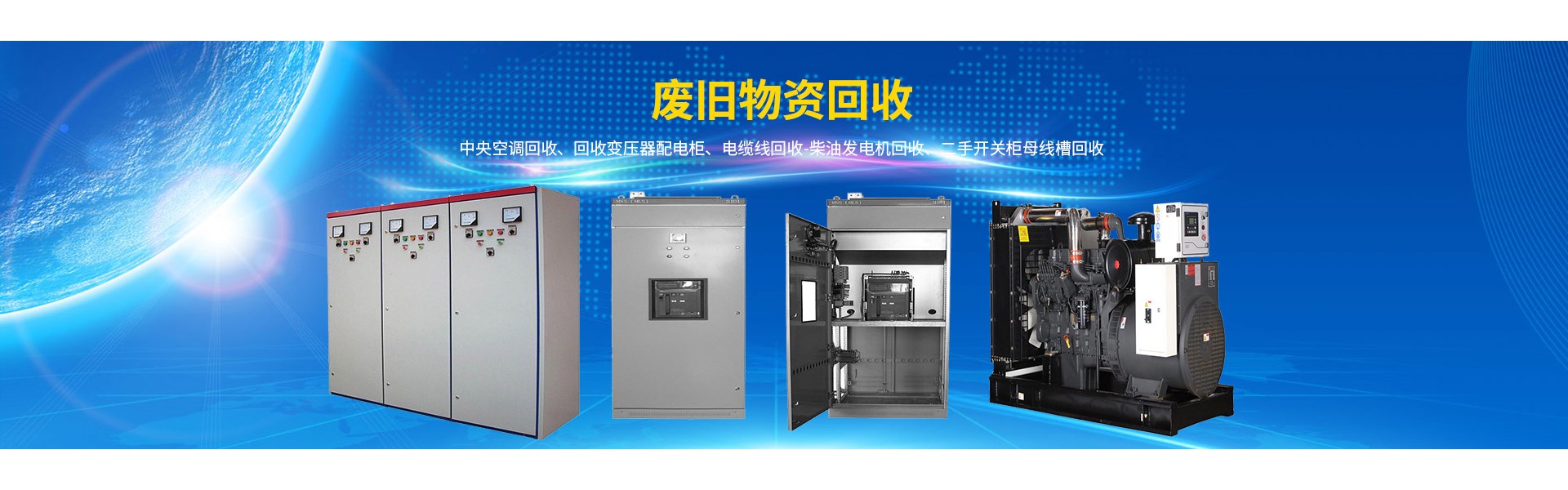
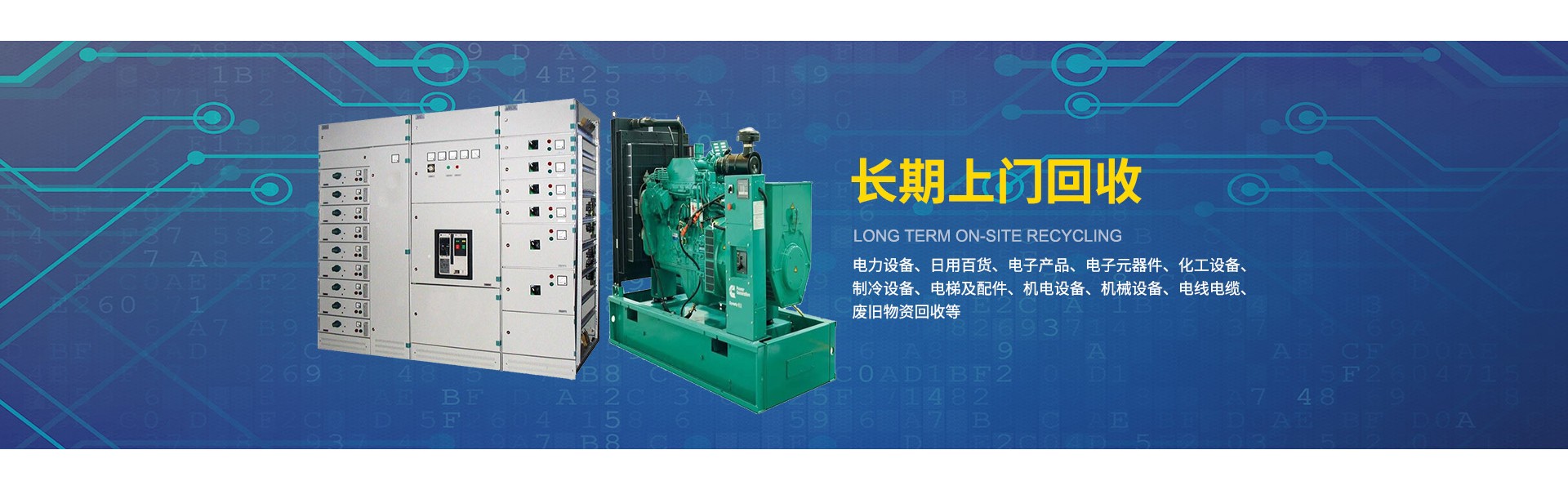
Power Distribution Cabinet Recycling
Transformer Recycling
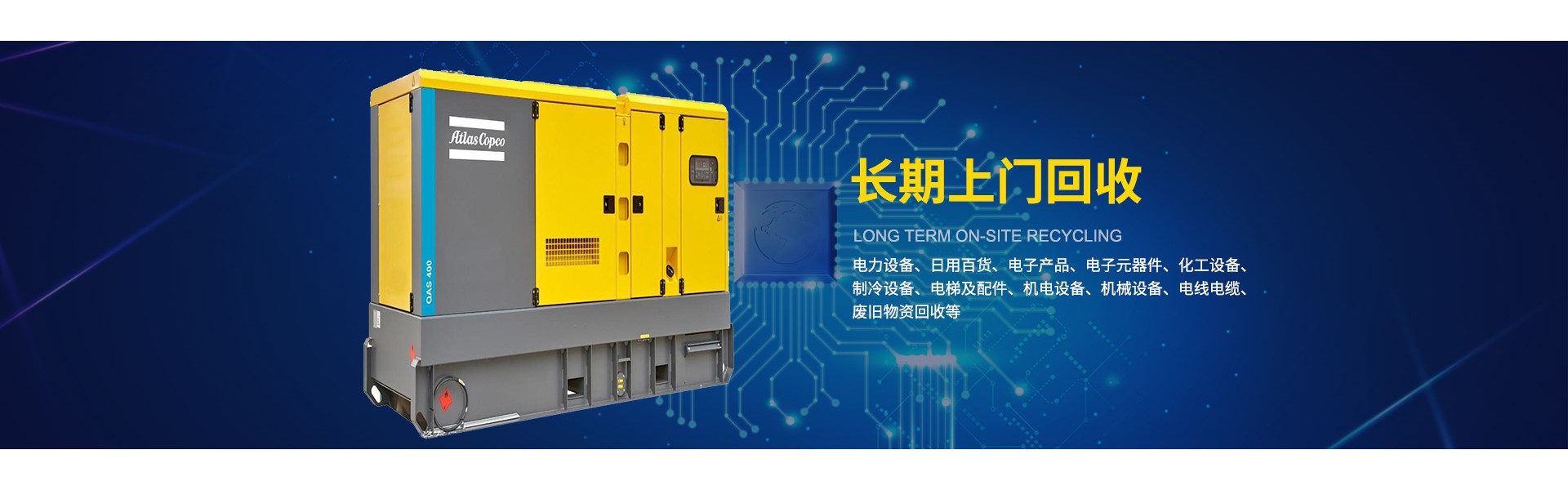
Diesel Generator Set Recycling
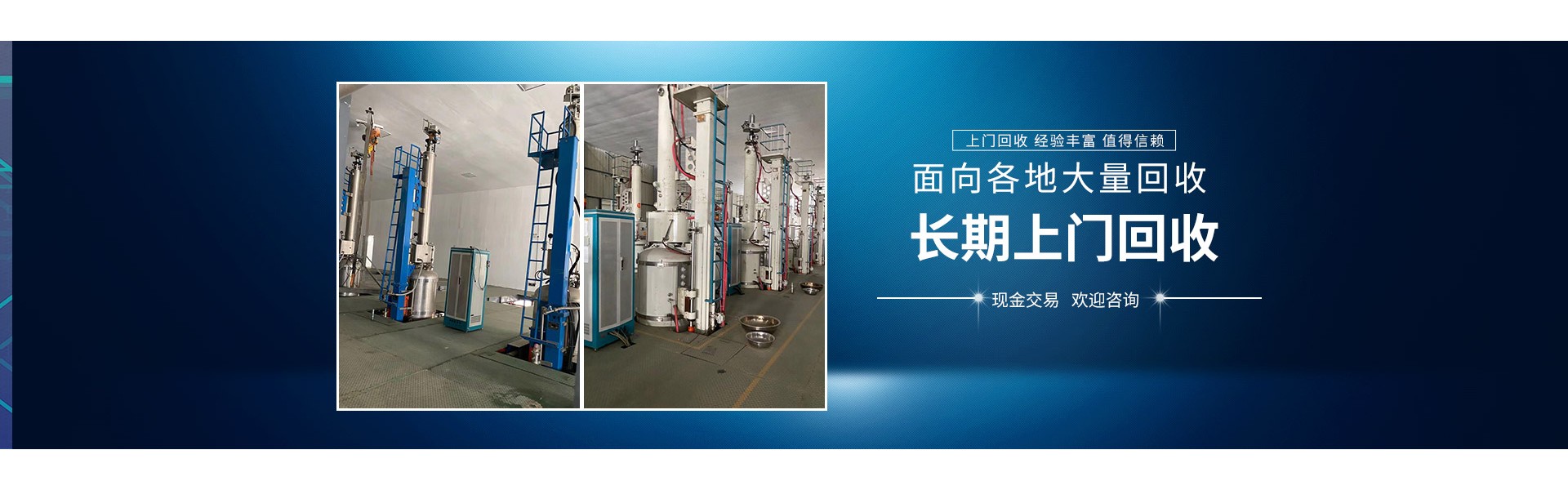
Sapphire Crystal Growth Furnace Recycle
Traction Single Crystal Furnace Recovery
High/Low Voltage Switchgear Recycling
Power Busbar Recycling
High/Low Voltage Cable Wire Recycling
Vacuum Circuit Breaker Recycling



Recommended Products

Liu Shi second-hand vacuum circuit breaker recycling; electrical distribution cabinet recycling

Jiaxing Tongxiang second-hand vacuum furnace recycling, Maanshan second-hand long crystal furnace recycling

Dongyang purchases low-voltage distribution cabinets and box-type power transformers for recycling.
Liu Shi second-hand vacuum circuit breaker recycling; electrical distribution cabinet recycling
Jiaxing Tongxiang second-hand vacuum furnace recycling, Maanshan second-hand long crystal furnace recycling
Dongyang purchases low-voltage distribution cabinets and box-type power transformers for recycling.
详情描述

Qixia Recycles Power Switch Cabinets, Box-type Transformer Recycling [Parts Editor] Heat exchangers feature full optimization design, reasonable structure, reliable operation, and excellent performance; they are pressure and vibration resistant, not prone to deformation, and the refrigerant flows smoothly during operation, with oil return in the pipeline being unobstructed, ensuring high safety. The compressor, a world-class scroll compressor, operates with low noise, utilizes an intake distribution structure, asymmetric scroll disks, and a fixed scroll disk with low deformation, improving energy efficiency ratio; it also incorporates motor cooling structures, roller bearings, and dry bearings, enhancing reliability and featuring multiple protection functions such as exhaust temperature protection, high and low pressure protection, overcurrent protection, and reverse phase protection. [Fan] Uses low-noise axial flow fans, complemented by the use of the motor, further enhancing the unit's efficiency and reducing noise. Thermal expansion valves import world-class refrigeration accessories – thermal expansion valves, which regulate system flow by adjusting the degree of supercooling (or overheating) of the system, and this unit selects dual thermal expansion valves for flow control, with separate control for cooling and heating, allowing for more even capacity adjustment.
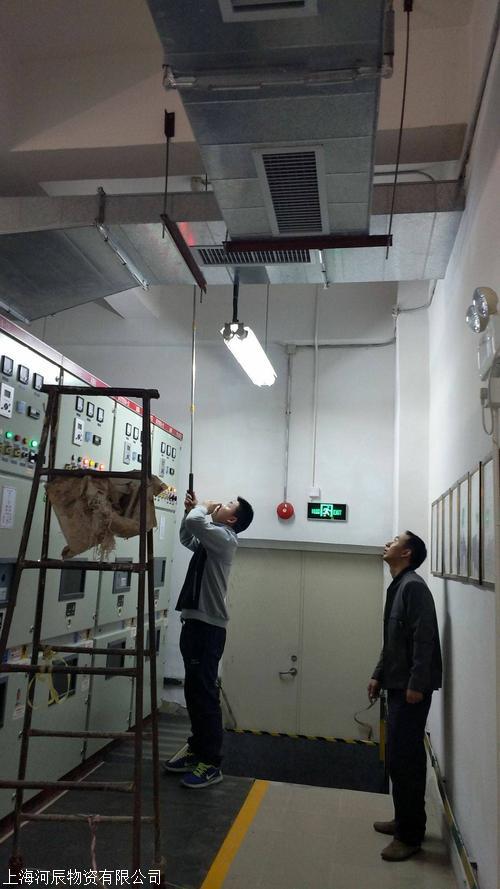
Qixia Recycled Power Switchgear
Power distribution cabinet recycling, low-voltage switchgear, ring main unit, power cabinet, electrical control cabinet, high-voltage switchgear, power distribution cabinet, high-voltage switchgear, single crystal furnace recycling, crystal growth furnace, polycrystalline silicon furnace, semi-enclosed busbar trunking, connector-type busbar trunking, water-cooled air conditioning, refrigeration equipment, condenser, capacitor cabinet, electrical wires and cables, transmission and distribution equipment, distribution box, transformer recycling (dry-type, oil-type, box-type), elevator, air compressor, high-voltage switch, transformer, UBS battery, motor, compressor, machinery and equipment, kitchen equipment, hotel equipment, office equipment, reactor, voltage stabilizer, high-voltage cabinet, low-voltage cabinet, start-up cabinet, generator set, production line, mobile office, power distribution cabinet, switchgear purchase, condenser, forklift, trolley, factory trolley, container, etc.

Common Faults of Centrifugal Chilled Water Units】1. Low Evaporation Pressure: Causes: (1) Insufficient chilled water volume. (2) Low chilled water load. (3) Throttling orifice plate failure (only causes low evaporation pressure). (4) Heat transfer deterioration in the evaporator's tubes due to scaling and other contaminants (only causes low evaporation pressure). (5) Insufficient refrigerant volume (only causes low evaporation pressure). Solutions: (1) Check the chilled water circuit to ensure the water volume reaches the rated amount. (2) Check the set temperature of the automatic start/stop device. (3) Verify the unobstructed flow of the expansion throttling tube. (4) Clean the heat transfer tubes. (5) Refill the required refrigerant volume. 2. High Pressure: Causes: (1) Insufficient chilled water volume. (2) Decreased capacity of the cooling tower. (3) High chilled water temperature, excessive cooling capacity, increasing condenser load. (4) Presence of air. (5) Heat transfer deterioration due to scaling and other contaminants in the condenser tubes. Solutions: (1) Check the cooling water circuit and adjust the rated flow. (2) Inspect the cooling tower. (3) Check and adjust the expansion throttling tube to bring the chilled water temperature closer to the rated temperature. (4) Perform exhaust operation to remove air; if the exhaust device needs frequent operation, locate and eliminate air leaks. (5) Clean the tubes. 3. Low Oil Pressure Difference: Causes: (1) Clogged oil filter. (2) Over-opened oil pressure regulating valve (bleed valve). (3) Decreased output oil volume from the oil pump. (4) Bearing wear. (5) Malfunctioning oil pressure gauge (or sensor). (6) Excessive refrigerant in the lubricating oil (due to oil foaming during startup, causing low oil pressure). Solutions: (1) Replace the oil filter element. (2) Close the oil pressure regulating valve to raise the oil pressure to the rated level. (3) Investigate and resolve. (4) Disassemble and replace the bearings. (5) Check the oil pressure gauge and recalibrate the pressure sensor; replace if necessary. (6) After the refrigeration unit is stopped, ensure the oil heater is turned on to maintain the set oil temperature (confirm that there are no breaks in the oil heater and that the temperature control setpoint is correct). 4. High Oil Temperature: Causes: (1) Decreased cooling capacity of the oil cooler. (2) Insufficient supply of chilled media to the oil cooler due to clogged refrigerant filter mesh. (3) Bearing wear. Solutions: (1) Adjust the oil temperature regulating valve. (2) Clean the refrigerant filter mesh. (3) Disassemble and repair or replace the bearings. 5. Water Break: Causes: Insufficient chilled water volume. Solutions: Check the chilled water pump and circuit, adjust to normal flow. 6. Overloaded Motor: Causes: (1) Unbalanced phase voltage of the power supply. (2) Large voltage drop in the power supply lines. (3) Insufficient refrigerant volume supplied to the main motor for cooling. Solutions: (1) Take measures to balance the phase voltage of the power supply. (2) Take measures to reduce the voltage drop in the power supply lines. (3) Check and clean the refrigerant filter mesh; open the refrigerant inlet valve wider.

Qixia Jiangzhen
Recycling services for second-hand high-frequency furnaces, nitriding furnaces, carburizing furnaces, salt bath furnaces, vacuum heating furnaces, brazing furnaces, high-frequency electric furnaces, medium-frequency electric furnaces, induction furnaces, pit furnaces, aluminum melting furnaces, copper melting furnaces, arc furnaces, radiant electric furnaces, belt furnaces, pusher furnaces, sintering furnaces, kilns, nitric salt furnaces, aging furnaces, tube furnaces, ammonia decomposition furnaces, crucible electric furnaces, melting furnaces, box furnaces, tempering electric furnaces, experimental electric furnaces, heating furnaces, forging furnaces, continuous furnaces, hot air furnaces, and other casting equipment.
询价单


