


- AllProduct Category
-
Reclaimed Central Air Conditioning
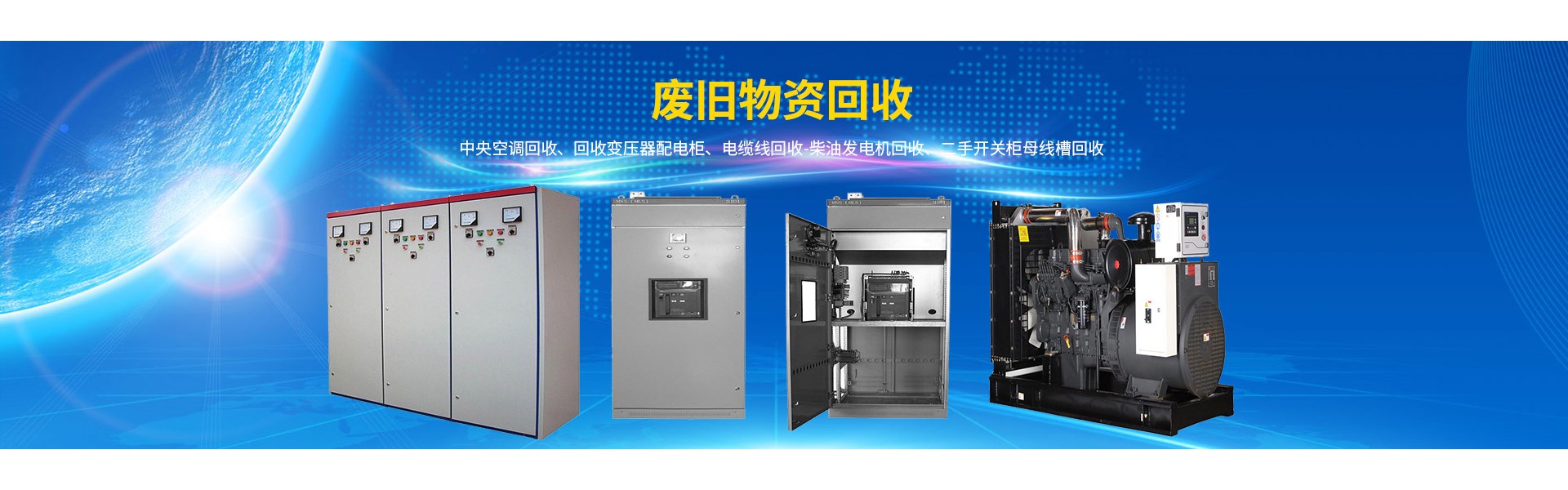
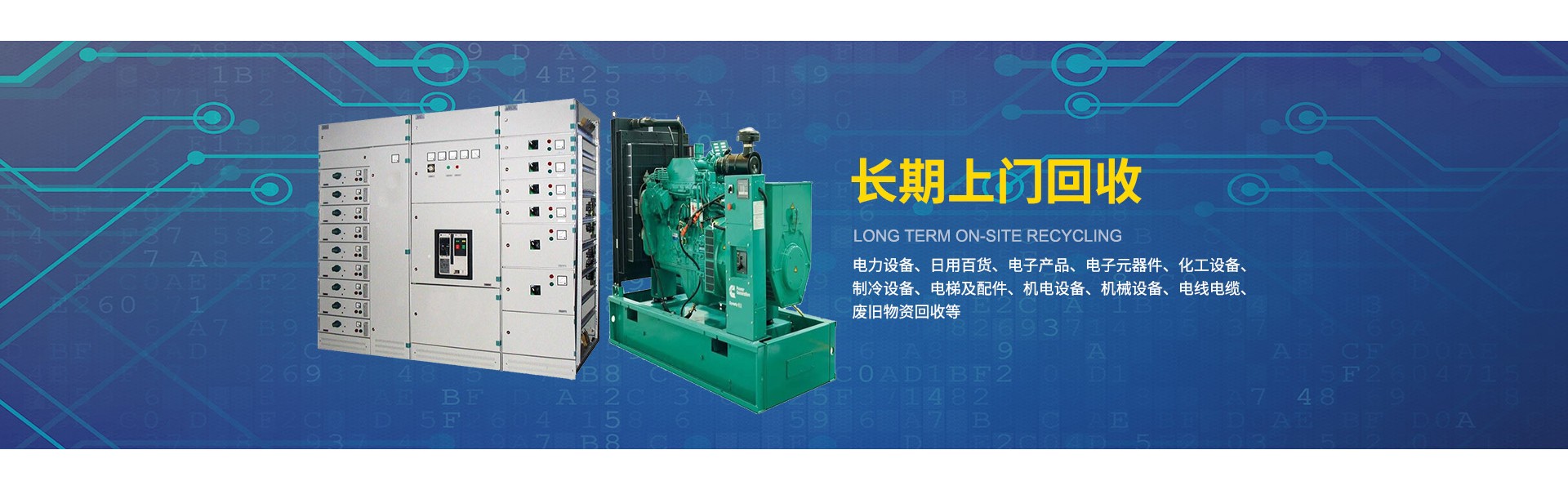
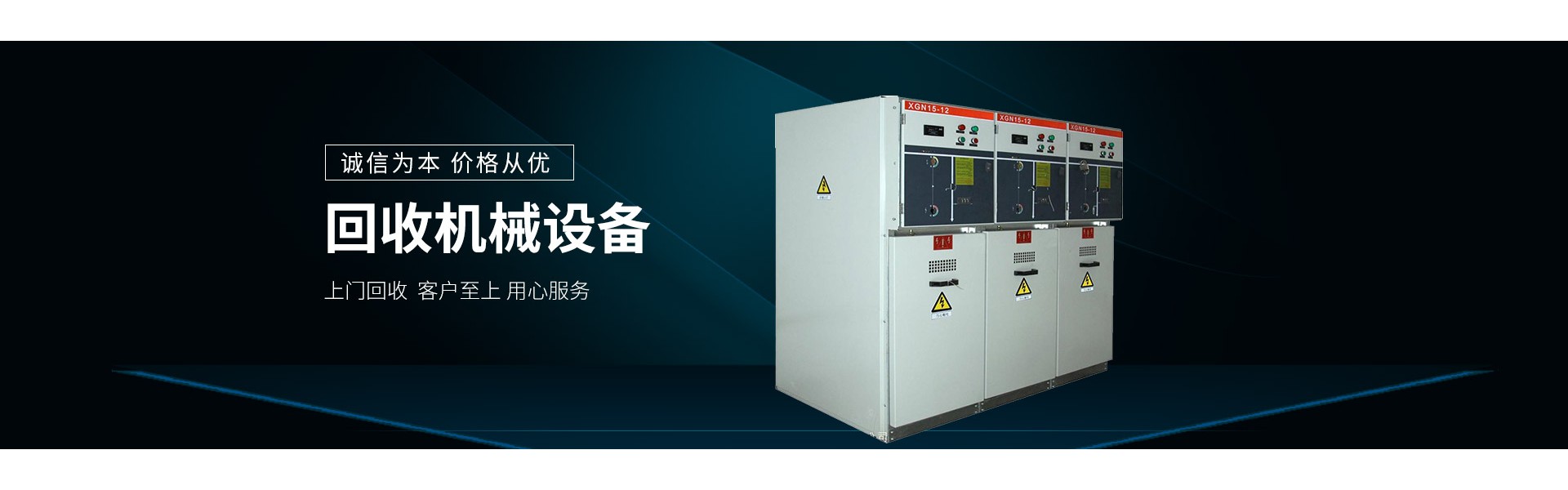
Power Distribution Cabinet Recycling
Transformer Recycling
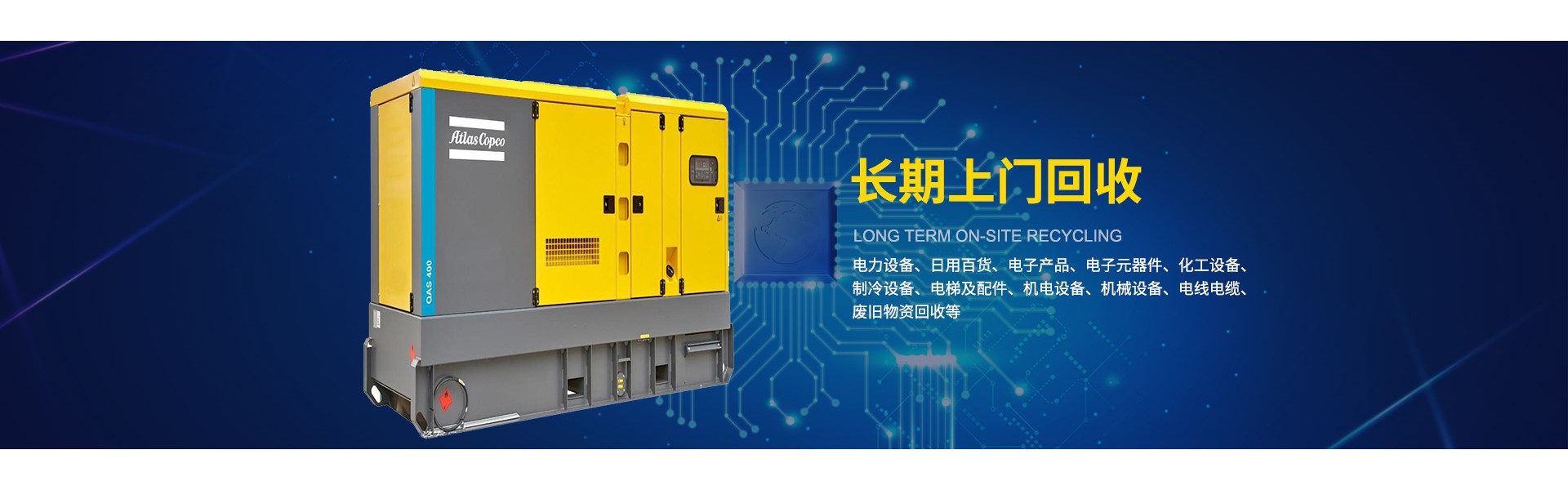
Diesel Generator Set Recycling
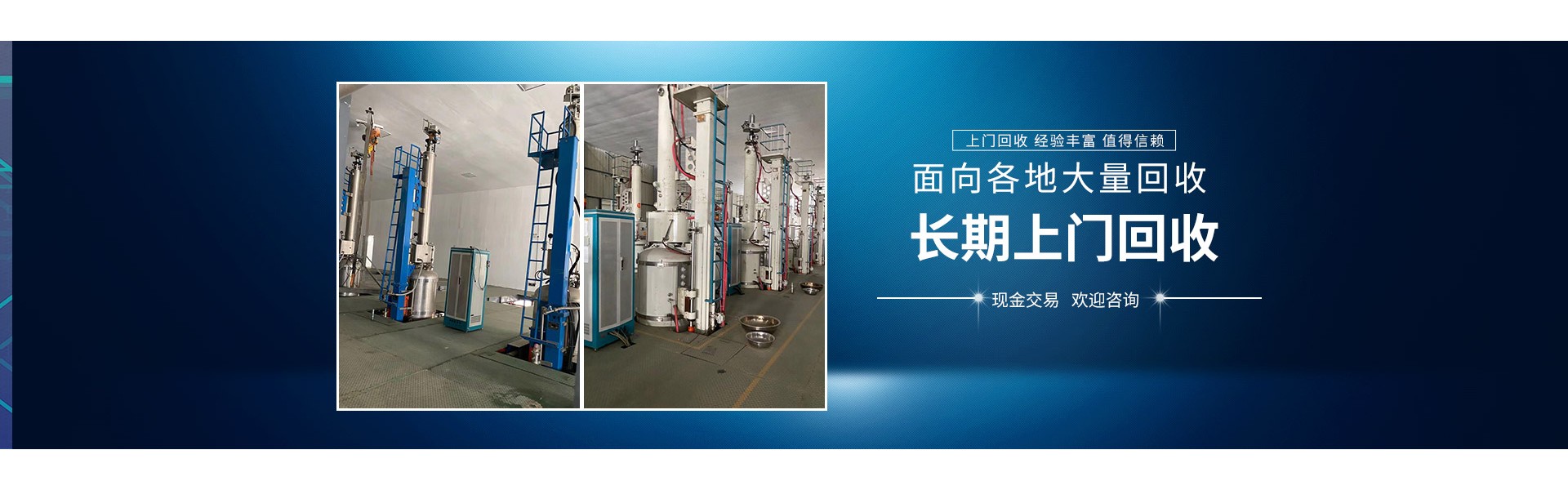
Sapphire Crystal Growth Furnace Recycle
Traction Single Crystal Furnace Recovery
High/Low Voltage Switchgear Recycling
Power Busbar Recycling
High/Low Voltage Cable Wire Recycling
Vacuum Circuit Breaker Recycling



Recommended Products

Liu Shi second-hand vacuum circuit breaker recycling; electrical distribution cabinet recycling

Jiaxing Tongxiang second-hand vacuum furnace recycling, Maanshan second-hand long crystal furnace recycling

Dongyang purchases low-voltage distribution cabinets and box-type power transformers for recycling.
Liu Shi second-hand vacuum circuit breaker recycling; electrical distribution cabinet recycling
Jiaxing Tongxiang second-hand vacuum furnace recycling, Maanshan second-hand long crystal furnace recycling
Dongyang purchases low-voltage distribution cabinets and box-type power transformers for recycling.
详情描述
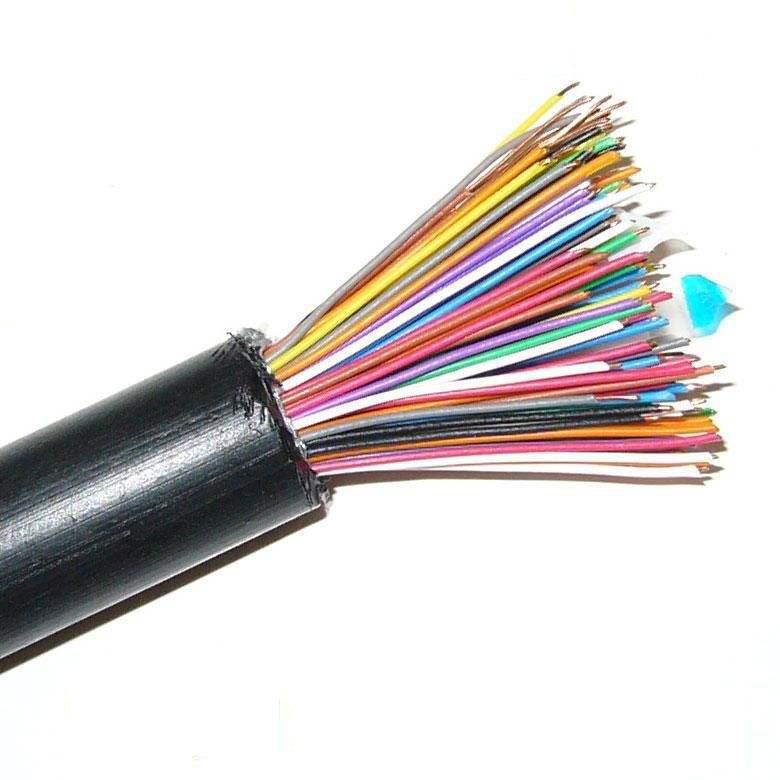
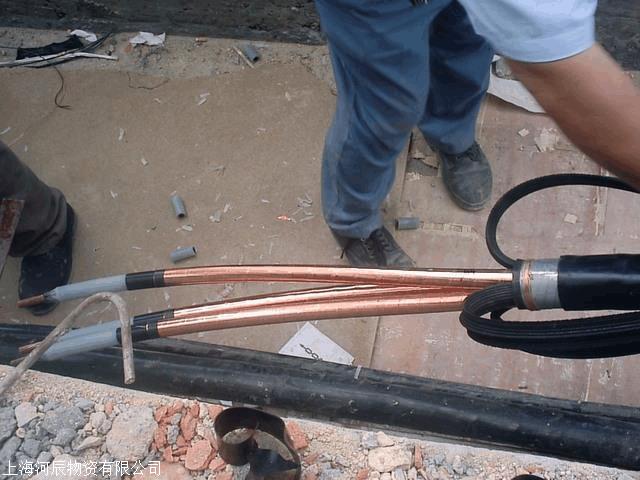
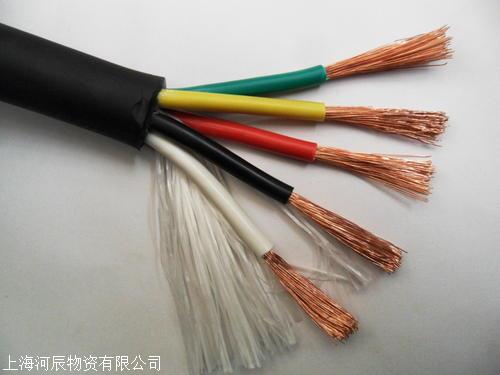
Hongkou three-phase cable wire recycling, signal cable recycling, logistics pick-up

Wiring and Cable Recycling Service: We recycle used wiring and cables, copper bars, busbars, factory cables, fire-resistant cables, communication cables, marine cables, special cables, and old network cables, with free dismantling services included. Recycling Scope: 1. Power Cable Recycling: medium and low voltage power cables, high voltage cables, ultra-high voltage cables, and extra-high voltage cables, oil-impregnated, plastic, and rubber insulated power cables. 2. Communication Cable Recycling: coaxial communication cables, urban communication cables, coal mine-specific communication cables, shielded communication cables, armored communication cables, and flame-retardant communication cables. 3. Bare Wires and Products: steel-core aluminum conductors, copper-aluminum busbars, power locomotive wires, etc. 4. Special Cable Recycling: high-temperature-resistant wiring and cables, polyether sulfone insulated wires, low-inductance cables, low-noise cables, heating cables, electroluminescent wires, CMP cables, cables, halogen-free new green environmental-friendly wiring and cables, cross-linked cables, bare wires, factory cables. Mainly serving Jiangsu, Zhejiang, Anhui provinces (Nanjing, Zhenjiang, Changzhou, Wuxi, Suzhou, Nantong, Taicang, Kunshan, Yixing, Jiangyin, Qidong, Haimen, Zhangjiagang, Xuancheng, Changshu, Huzhou, Jiaxing, Hangzhou, Shaoxing, Ningbo, Zhoushan) and surrounding areas. Welcome to call!
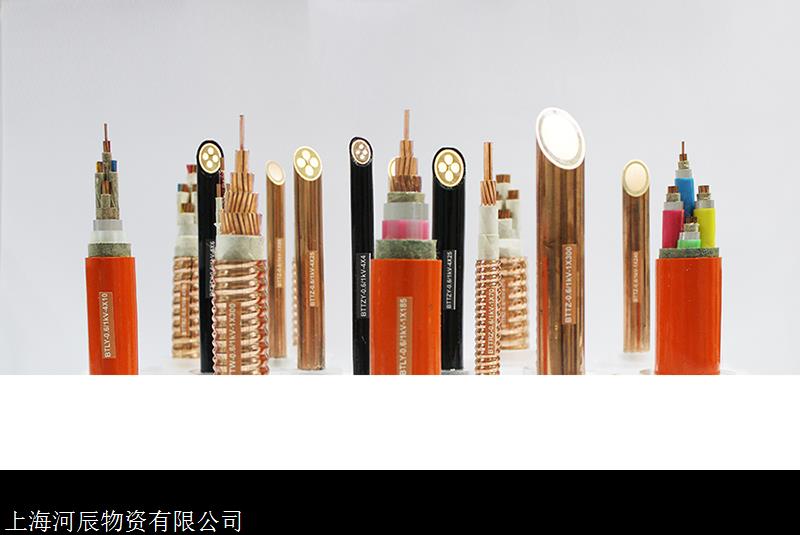
Hongkou three-phase cable wire recycling, signal cable recycling, logistics pick-up, usage code - Not marked as power cable, K- (control cable), P- (signal cable); conductor material code - Not marked as copper (can also be marked as CU), L- (aluminum); inner sheath code - Q- (lead sheathed), L- (aluminum sheathed), H- (rubber sheathed), V- (polyvinyl chloride sheathed), inner sheath is generally not marked; outer sheath code - V- (polyvinyl chloride), Y- (poly power cable); derivative code - D- (non-dripping), P- (dry insulation); special product code - TH- (wet tropical), TA- (dry tropical), ZR- (flame-retardant), NH- (fire-resistant), WDZ- (low smoke halogen-free, enterprise standard). Omission principle of model: Copper is the main conductor material used in wire and cable products, so the copper core code T is abbreviated, but not for bare wire and bare conductor products. Products of bare wire and bare conductor types, power cable types, and electromagnetic wire types do not indicate the general category code. Wire and cable products for electrical equipment and communication cable types are also not listed, but the subcategory or series code is specified.
【Undersea Cable Product History】In 1850, the world's first undersea cable was laid between North America and Europe. In 1866, Britain laid an undersea cable across the Atlantic, connecting Britain and the United States. Compared to land cables, undersea cables have many advantages: first, they do not require excavation or support structures, resulting in lower investment and faster construction; second, except for the landing sections, the cables are mostly laid on tested seabeds, protected from natural elements like storms and human activities, ensuring safety, stability, strong anti-interference capabilities, and good confidentiality. After Bell invented the telephone in 1876, undersea cables were incorporated with new content, and the pace of large-scale laying accelerated. The Global Undersea Communication Cable was completed in 1902. In 1960, the first laser was introduced, and people began to use the property of laser energy to transmit information through optical fibers. There are 32 countries and regions that have established a modern global communication network through undersea optical cables, capable of handling up to 300,000 simultaneous telephone calls or data transmissions. Undersea optical cables have also seen rapid development. The Japan-China Undersea Cable System, completed in 1993, can support 7,560 telephone circuits. In 1997, another cable, the FLAG, was built in Nanhui, connecting 20 global locations and capable of handling 120,000 telephone circuits. China began constructing the Asia-Europe cables, with the total communication capacity set to surge to 1.32 million circuits. Undersea Cable Products are categorized into impregnated paper-insulated cables, suitable for lines with voltages not exceeding 45kV AC and not exceeding 400kV DC. Undersea Cable
询价单


