


- AllProduct Category
-
Reclaimed Central Air Conditioning
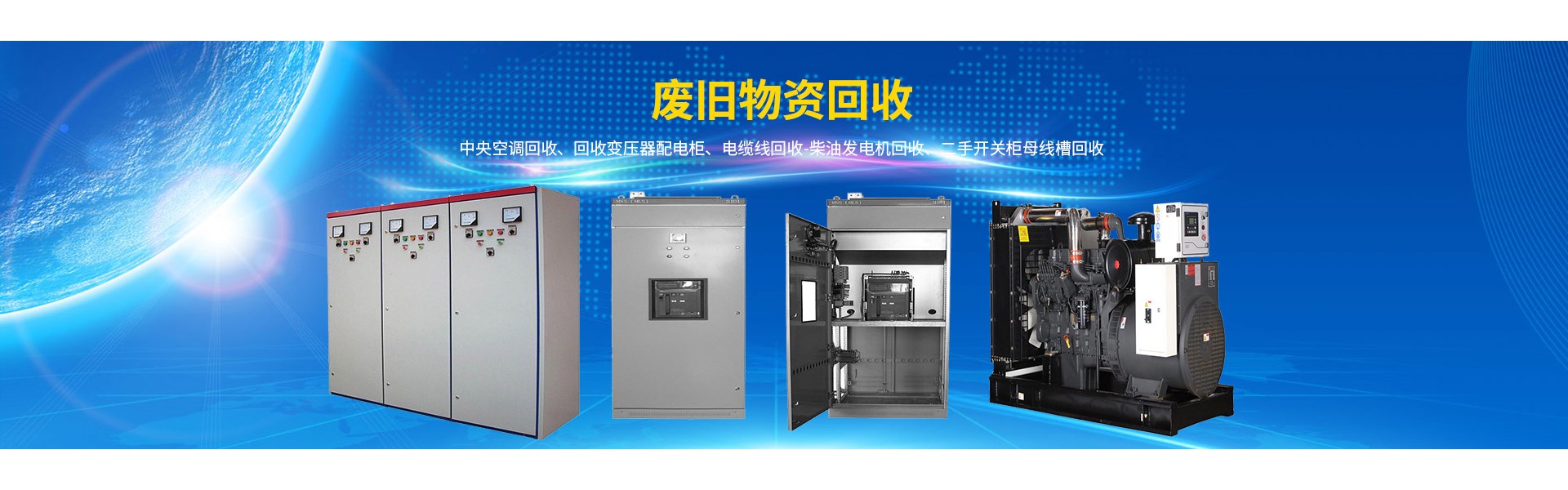
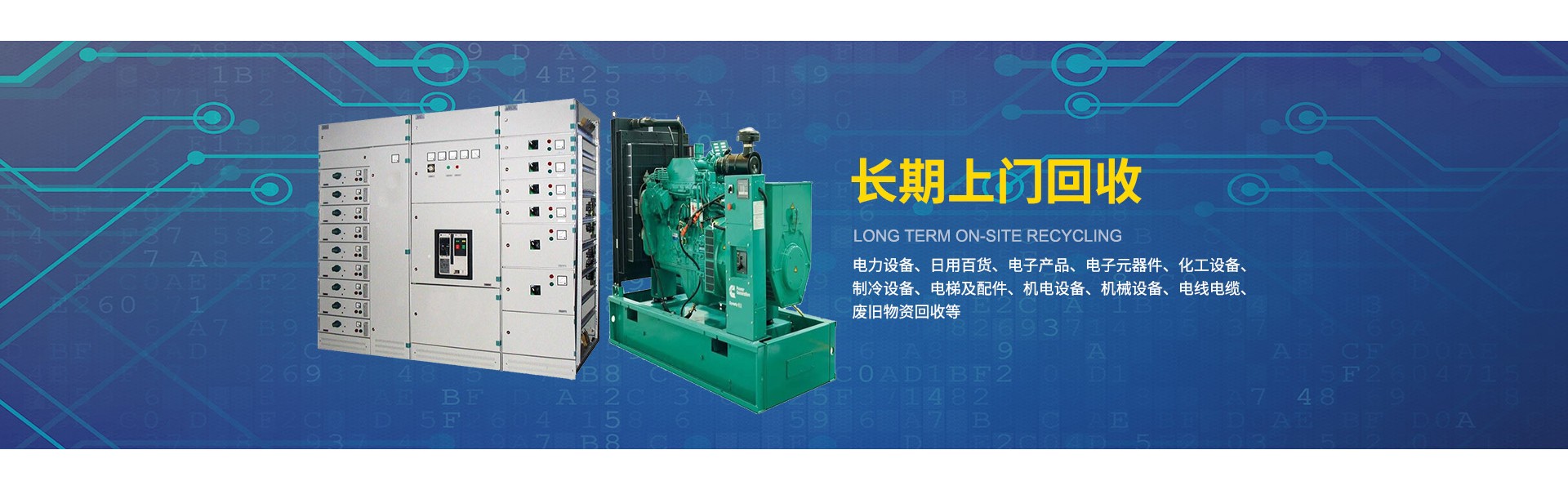
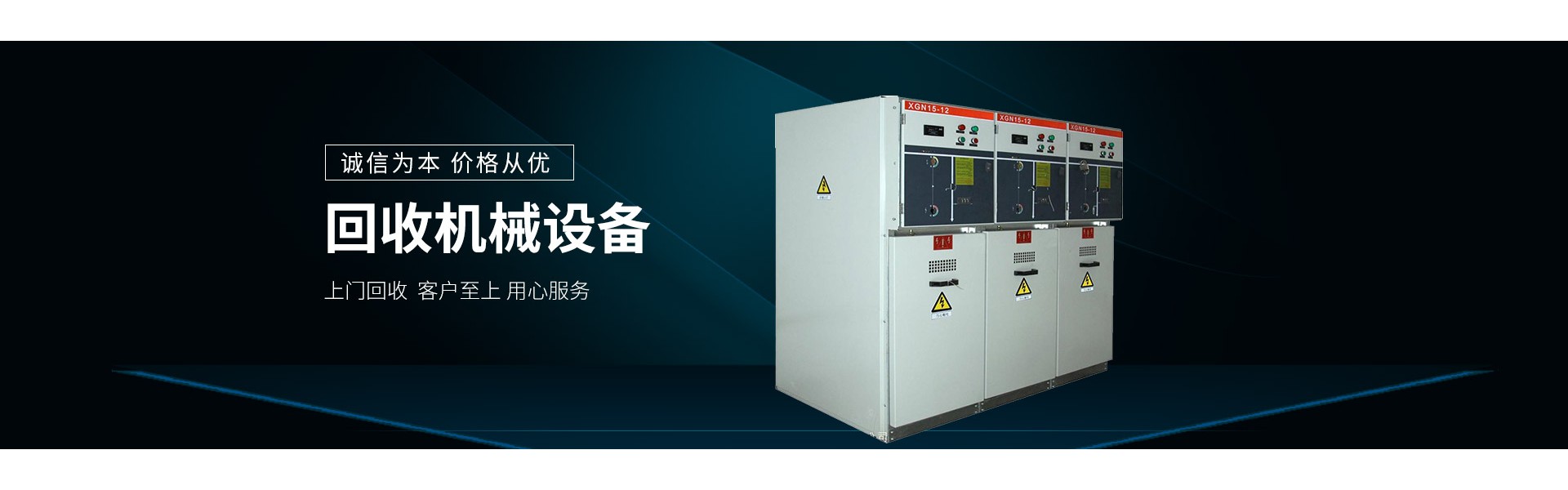
Power Distribution Cabinet Recycling
Transformer Recycling
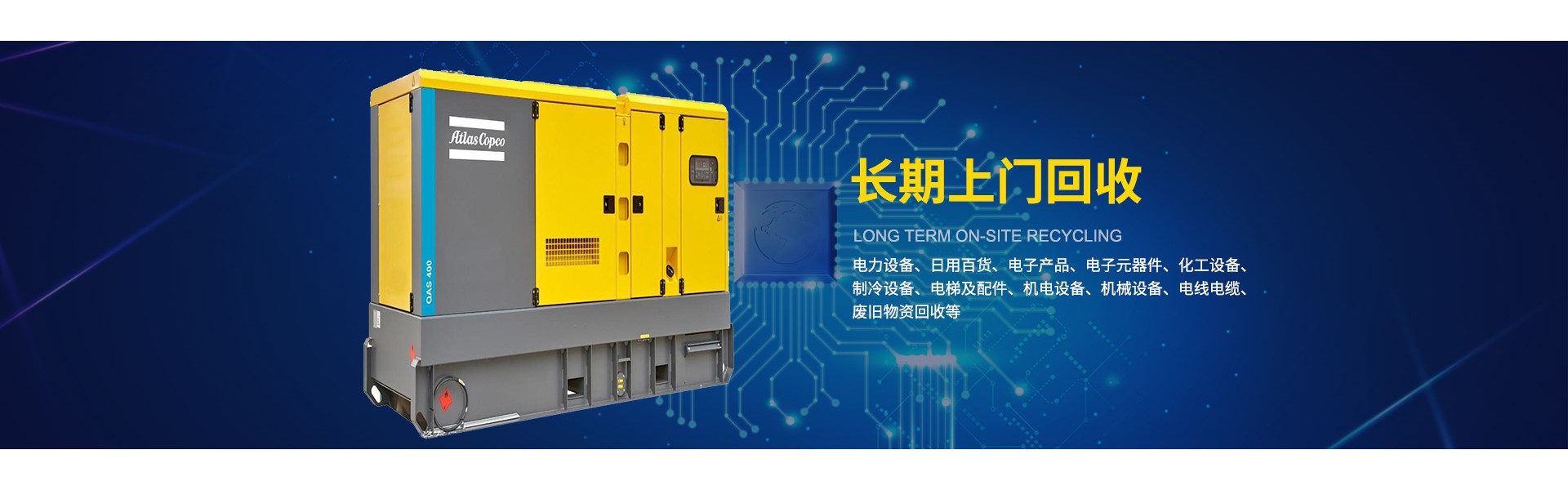
Diesel Generator Set Recycling
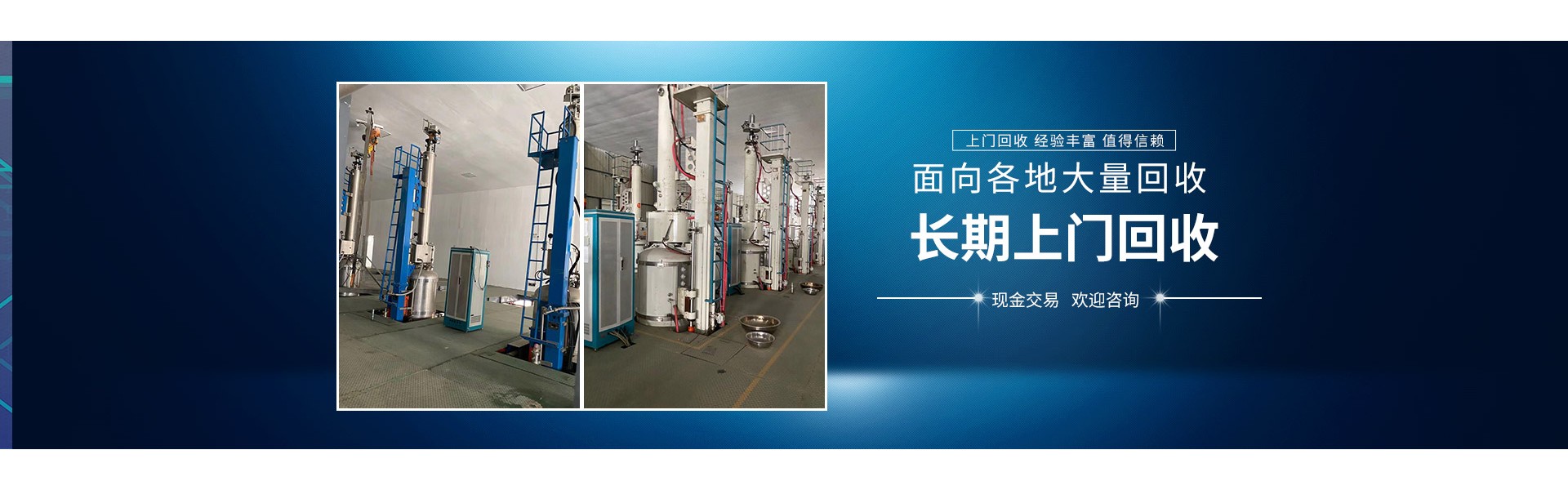
Sapphire Crystal Growth Furnace Recycle
Traction Single Crystal Furnace Recovery
High/Low Voltage Switchgear Recycling
Power Busbar Recycling
High/Low Voltage Cable Wire Recycling
Vacuum Circuit Breaker Recycling



Recommended Products

Liu Shi second-hand vacuum circuit breaker recycling; electrical distribution cabinet recycling

Jiaxing Tongxiang second-hand vacuum furnace recycling, Maanshan second-hand long crystal furnace recycling

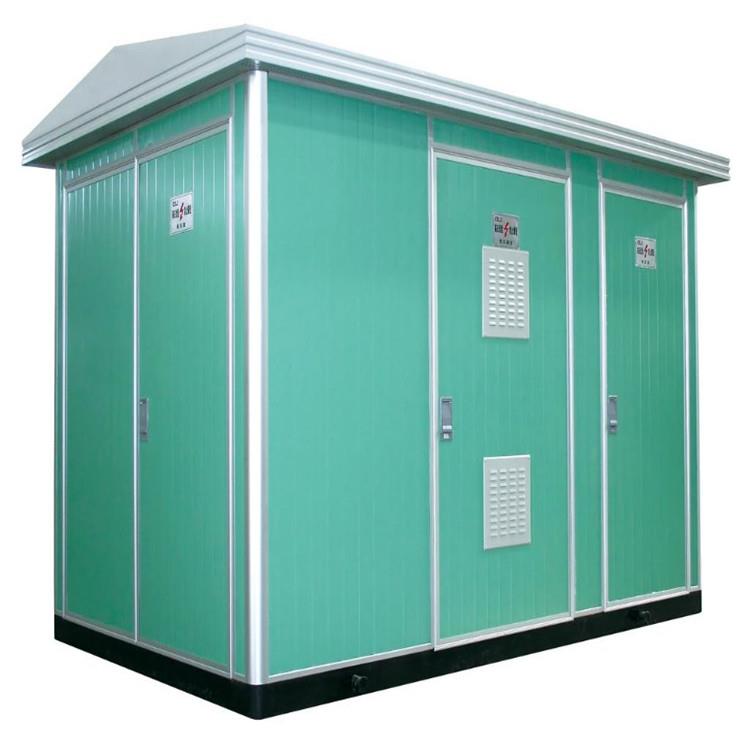
Dongyang purchases low-voltage distribution cabinets and box-type power transformers for recycling.
Liu Shi second-hand vacuum circuit breaker recycling; electrical distribution cabinet recycling
Jiaxing Tongxiang second-hand vacuum furnace recycling, Maanshan second-hand long crystal furnace recycling
Dongyang purchases low-voltage distribution cabinets and box-type power transformers for recycling.
详情描述
 Jing'an buys back second-hand rectifier cabinets and high-voltage transformers
Circuit breakers and distribution cabinets are categorized by voltage waveform as: AC complete switchgear, DC complete switchgear. By internal structure, they are divided into withdrawable complete switchgear (such as low-voltage withdrawable complete switchgear, low-voltage fixed partition complete switchgear, metal-clad withdrawable complete switchgear, and handcart cabinet). By application, they are classified into incoming line cabinets, outgoing line cabinets, metering cabinets, compensation cabinets (capacitor cabinets), corner cabinets, busbar cabinets. Structurally, they are fixed type (1): capable of reliably fixing electrical components in a predetermined position within the cabinet. The cabinet shape is generally cubic, such as screen-type, box-type, etc., and also includes prism-shaped ones like desk-type. These cabinets can be single-column or arranged in a row. To maintain the cabinet's shape and size, components are often assembled step by step, usually starting with two halves or the left and right sides, then forming the cabinet, or first meeting the external shape requirements, and then sequentially connecting the internal components of the cabinet.
Selection Criteria for Low-Voltage Switchgear / Editing the selection of low-voltage switchgear primarily involves technical parameters, actual usage requirements, electrical component selection, and total investment control. Choosing low-voltage switchgear requires an understanding of performance indicators, structural features, and specific wiring forms of the system, and then selecting based on the characteristics of different cabinet types. All products of the low-voltage switchgear must meet the 3C certification requirements to ensure consistent product quality.

Power distribution cabinet recycling, low-voltage switchgear, ring main unit, power cabinet, electrical control cabinet, high-voltage switchgear, power distribution cabinets, complete low-voltage high-current distribution cabinets, ABB high-voltage complete sets, AEG high-voltage complete sets, GY high-voltage complete sets, JL high-voltage complete sets, JX high-voltage complete sets, KD high-voltage complete sets, LC high-voltage complete sets, SJ high-voltage complete sets, Am仑 high-voltage complete sets, Aisys high-voltage complete sets, Delixi high-voltage complete sets, Fangyuan high-voltage complete sets, Hongfa high-voltage complete sets, Hongbao high-voltage complete sets, high-voltage complete sets, Huana high-voltage complete sets, Huanneng high-voltage complete sets, Huatong high-voltage complete sets
Braking Stop Circuit: The control section that cuts off the power supply to the circuit and implements certain braking measures to quickly stop the motor, such as energy consumption braking, reverse power supply braking, reverse traction braking, and regenerative braking; 6. Self-Locking and Interlock Circuit: The electrical section that maintains power after the start button is released, allowing the electrical equipment to continue operating is called the self-locking section, such as the normally closed contact of a contactor in series with the coil circuit. The protection section that ensures only one of two or more electrical devices or components can be powered on to maintain safety and reliability is called the interlock section, such as the normally open contacts of two contactors in series with each other's coil circuits. Switching power supplies utilize electronic switching devices (such as transistors, field-effect transistors, and thyristor switches) to repeatedly "connect" and "disconnect" through the control circuit, modulating the input voltage with pulses to achieve DC/AC, DC/DC voltage conversions, and adjustable output voltage with automatic voltage regulation. [1] Switching power supplies generally have three operating modes: fixed frequency, fixed pulse width; fixed frequency, variable pulse width; and variable frequency, variable pulse width. The first mode is commonly used in DC/AC inverters or DC/DC voltage conversions; the latter two modes are commonly used in switching voltage regulators. Additionally, the output voltage of switching power supplies also has three operating modes: direct output voltage, average output voltage, and amplitude output voltage. Similarly, the first mode is commonly used in DC/AC inverters or DC/DC voltage conversions; the latter two modes are commonly used in switching voltage regulators.
询价单


