



- AllProduct Category
-
Reclaimed Central Air Conditioning
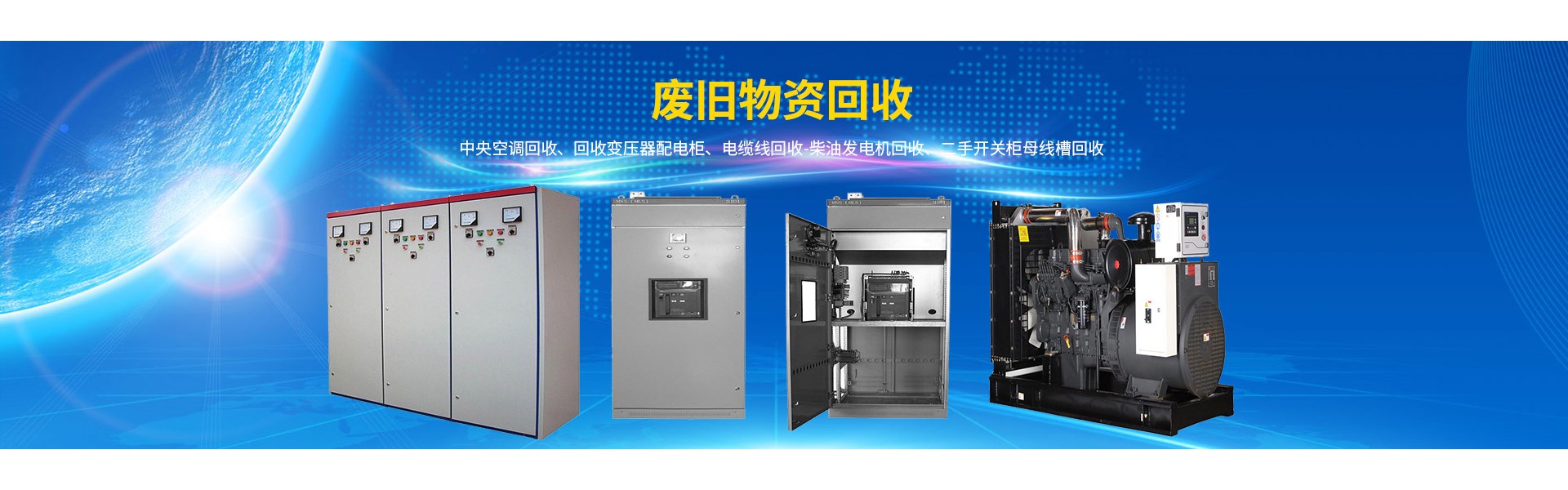
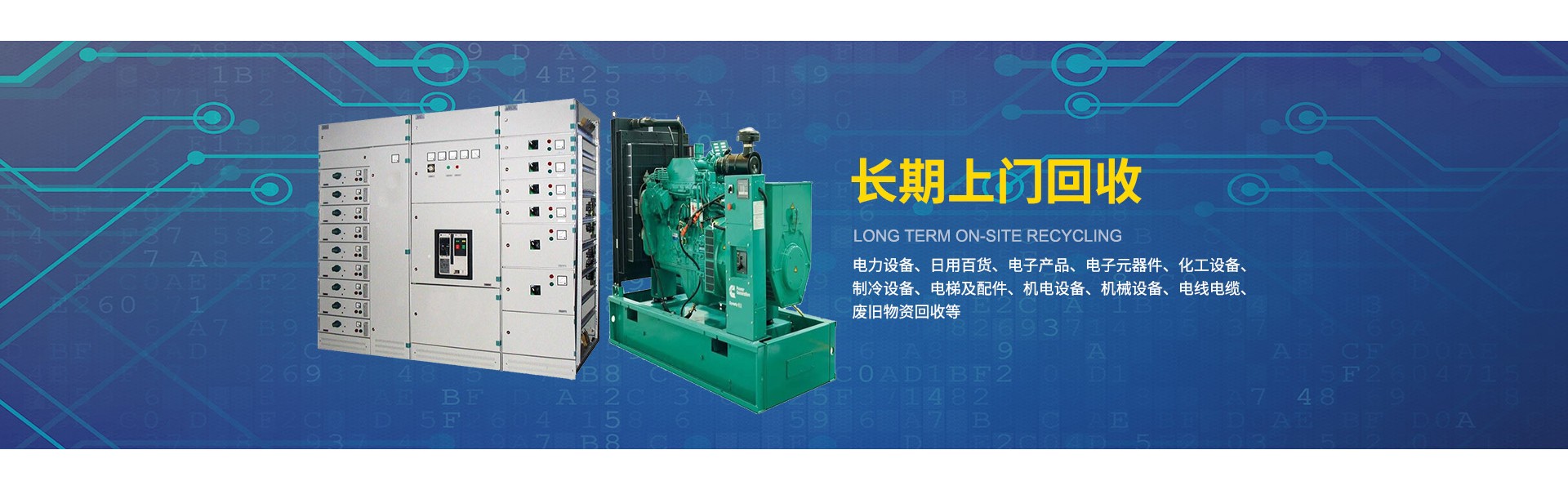
Power Distribution Cabinet Recycling
Transformer Recycling
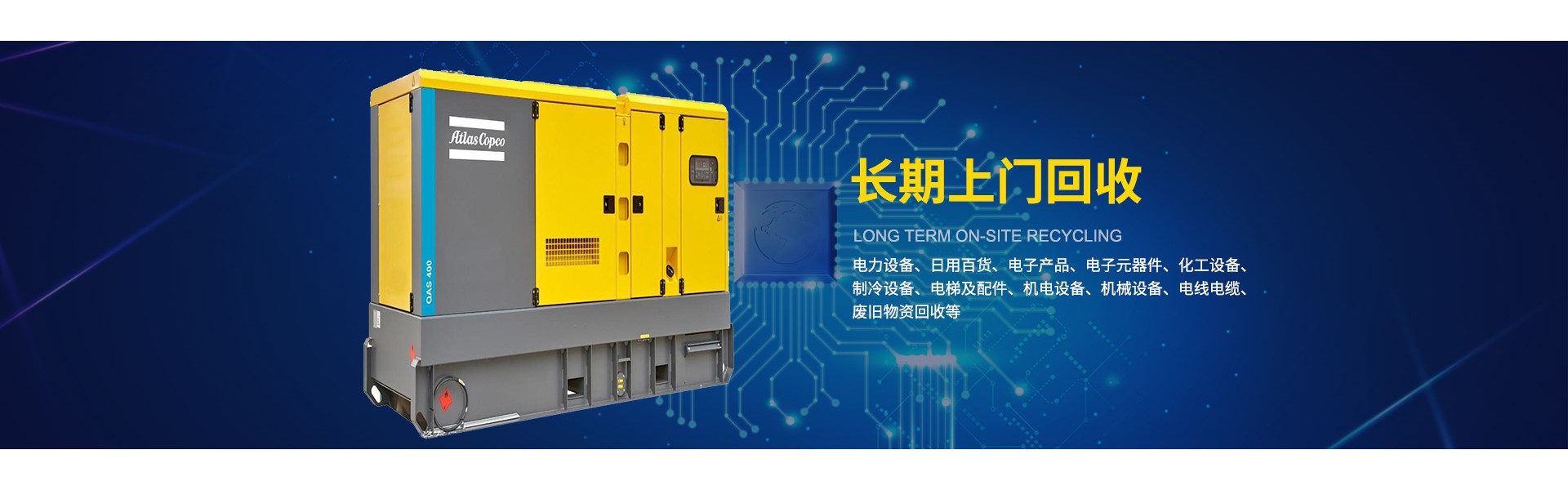
Diesel Generator Set Recycling
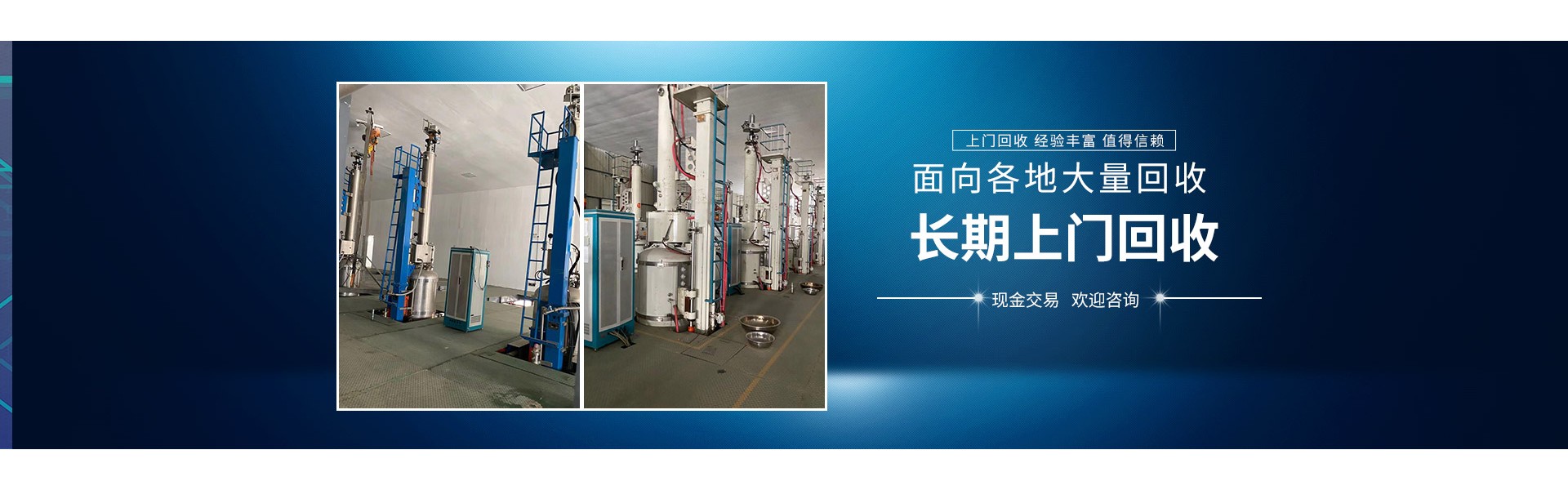
Sapphire Crystal Growth Furnace Recycle
Traction Single Crystal Furnace Recovery
High/Low Voltage Switchgear Recycling
Power Busbar Recycling
High/Low Voltage Cable Wire Recycling
Vacuum Circuit Breaker Recycling



Recommended Products

Liu Shi second-hand vacuum circuit breaker recycling; electrical distribution cabinet recycling

Jiaxing Tongxiang second-hand vacuum furnace recycling, Maanshan second-hand long crystal furnace recycling

Dongyang purchases low-voltage distribution cabinets and box-type power transformers for recycling.
Liu Shi second-hand vacuum circuit breaker recycling; electrical distribution cabinet recycling
Jiaxing Tongxiang second-hand vacuum furnace recycling, Maanshan second-hand long crystal furnace recycling
Dongyang purchases low-voltage distribution cabinets and box-type power transformers for recycling.
详情描述
 Zhangjiagang reclaim pressure reducing switch cabinets, Huangpu second-hand AC transformer recovery
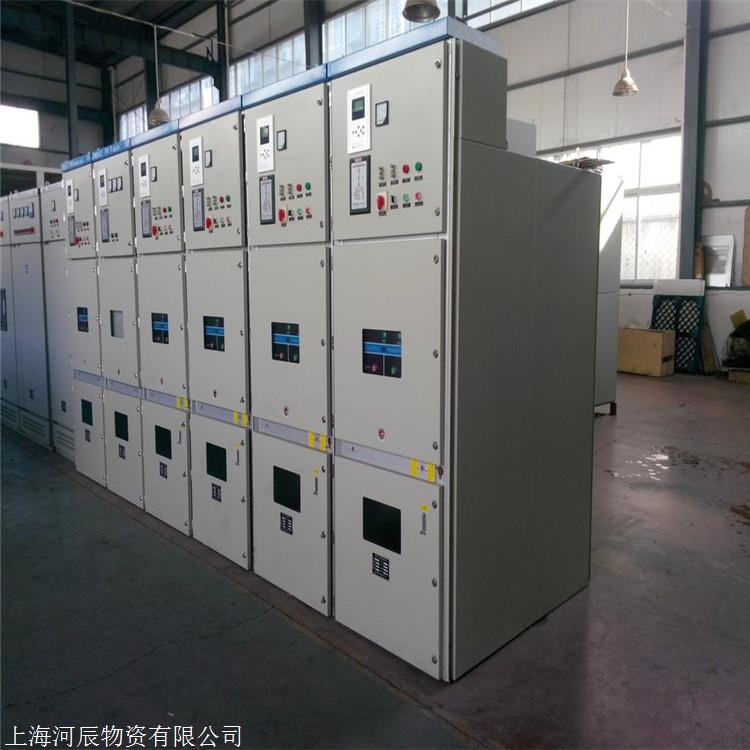
Recycling Introduction: We have been recycling a wide range of transformers, including dry-type transformers, box transformers, oil-immersed transformers, rectifier transformers, power transformers, electric furnace transformers, and combined transformers. The brands we recycle include domestic and imported models from Siemens, EKEA, Yijia, Xinying, Jingsai, Langten, LNBRT, Leisu, Xingwedun, Anbian, Daquan, Huaping, Huayu, Yike, and Zhetai, among others. We also handle the recycling of distribution cabinets, low-voltage switchgear cabinets, ring main cabinets, power cabinets, electrical control cabinets, high-voltage switchgear cabinets, power distribution cabinets, complete low-voltage high-current distribution cabinets, positive-pressure type lightning protection distribution cabinets, and lightning protection AC distribution cabinets.

Suitable for opening and breaking capacitive load currents. Due to its numerous advantages, it is widely used in substation applications. The current models include ZN12-10, ZN28A-10, ZN6-12, ZN12A-12, VS1, ZN30, and others. Detailed introductions, technical specifications of vacuum circuit breakers: Vacuum circuit breakers have seen rapid development in China over the past decade. Products have evolved from a few types like ZN1 to ZN5 to dozens of models and types, with rated currents up to 5000A and breaking currents reaching 50kA, and have now reached the 35kV voltage level. Before the 1980s, vacuum circuit breakers were in the early stages of development, with ongoing technical exploration and no established technical standards. It was not until after 1985 that relevant product standards were formulated.
Additionally, from an installation perspective, there should be no sinking on the bottom surface. In the arrangement and installation process, a level foundation is a prerequisite, but both the dry flatness and the cabinet itself have certain tolerances. During the arrangement, it is necessary to try to offset the lateral differences rather than accumulate them, as accumulated differences will cause the cabinet to deform, affecting busbar connections and leading to component misalignment, stress concentration, and even affecting the lifespan of electrical equipment. Therefore, it is advisable to use the foundation point as the installation reference point, then gradually level and expand the arrangement. Under conditions where the bottom surface dry flatness is ideal and predictable, it is also possible to adopt a method of expanding from the center to the sides to evenly distribute accumulated differences. To facilitate adjustment and offset tolerance accumulation, the cabinet width tolerances are all set to negative values. After the assembly of the various components of the cabinet is completed, as needed, additional adjustments should be made to meet the dimensional requirements of each part. For cabinets that are standardized or produced in large batches, it is necessary to consider using fixture tools to ensure the correct and unified structure. The datum plane of the fixture should ideally be the bottom surface, and the arrangement of the locating blocks within the fixture should prioritize ease of operation. For external doors of the cabinet and similar components, which are easily affected by transportation and installation, general adjustments are usually made during installation.

询价单


