


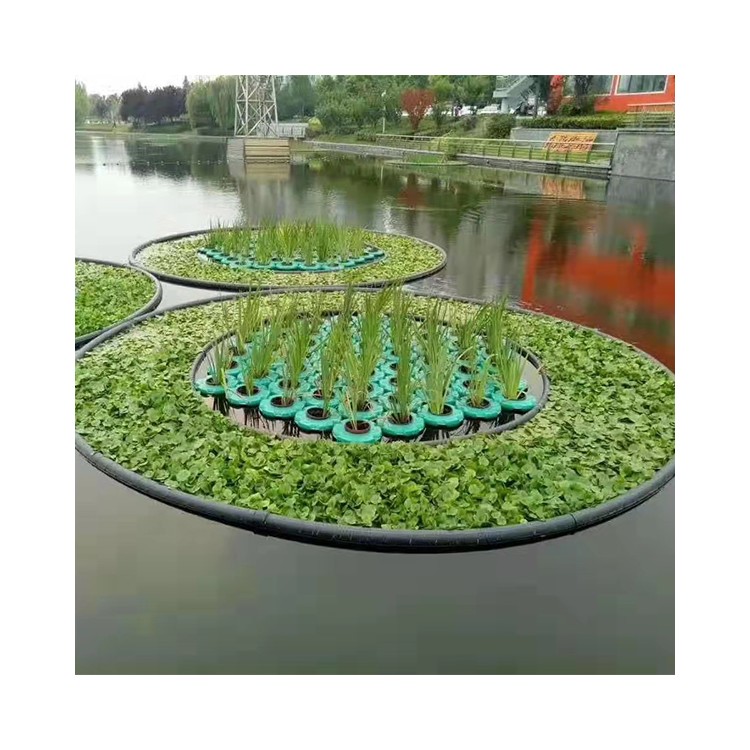
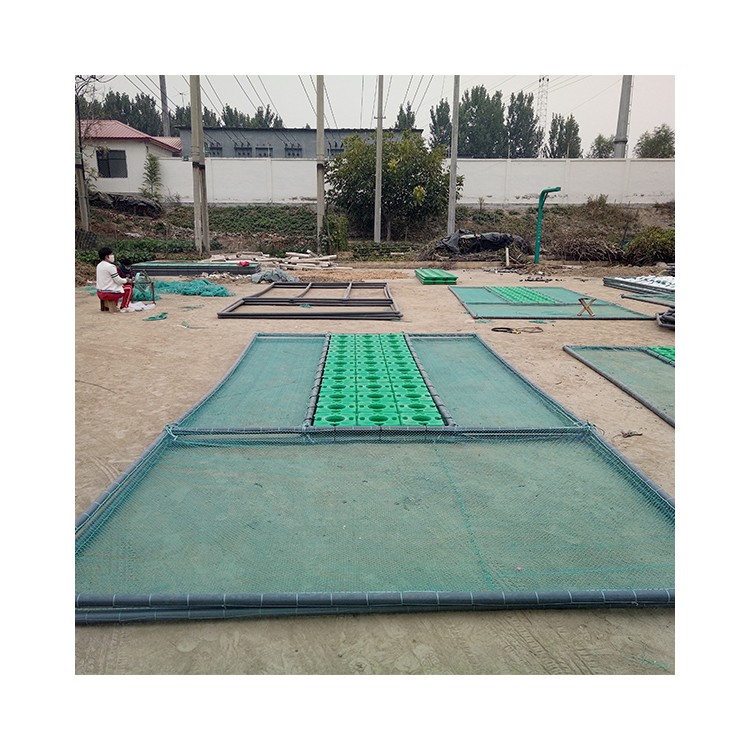
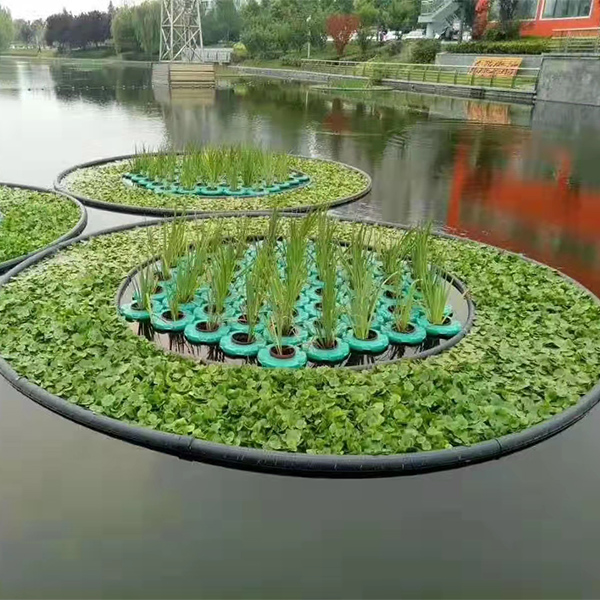
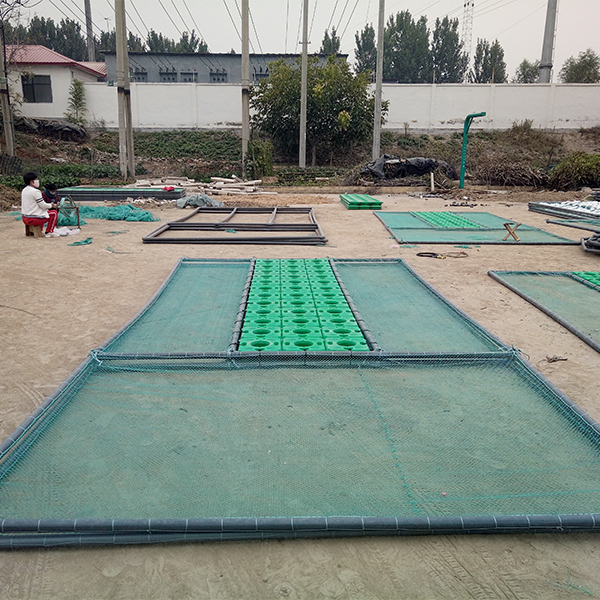
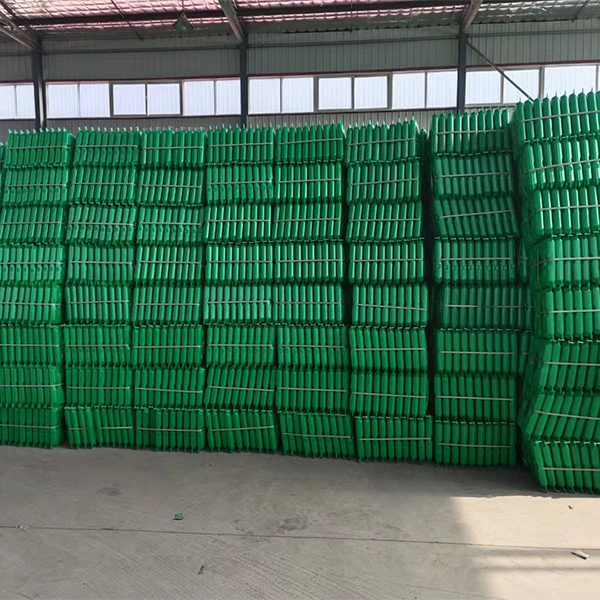
Artificial floating islands offer comprehensive functions such as water quality purification, creating habitats for wildlife, enhancing landscapes, and wave reduction. They are widely used in reservoirs with significant water level fluctuations, lakes where it's difficult to restore aquatic plant belts due to wave action, and ponds with aesthetic requirements. As the number of artificial floating island projects increases, so does the accumulated experience, leading to a shift from qualitative to quantitative evaluation in assessing their functions and effectiveness.
