
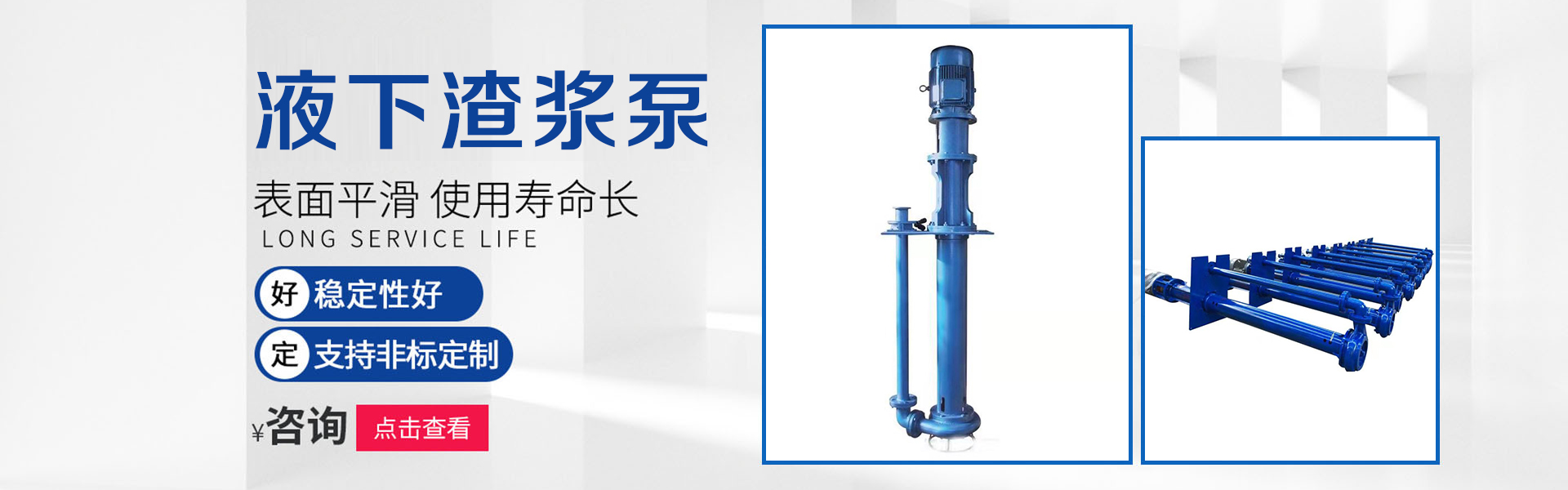
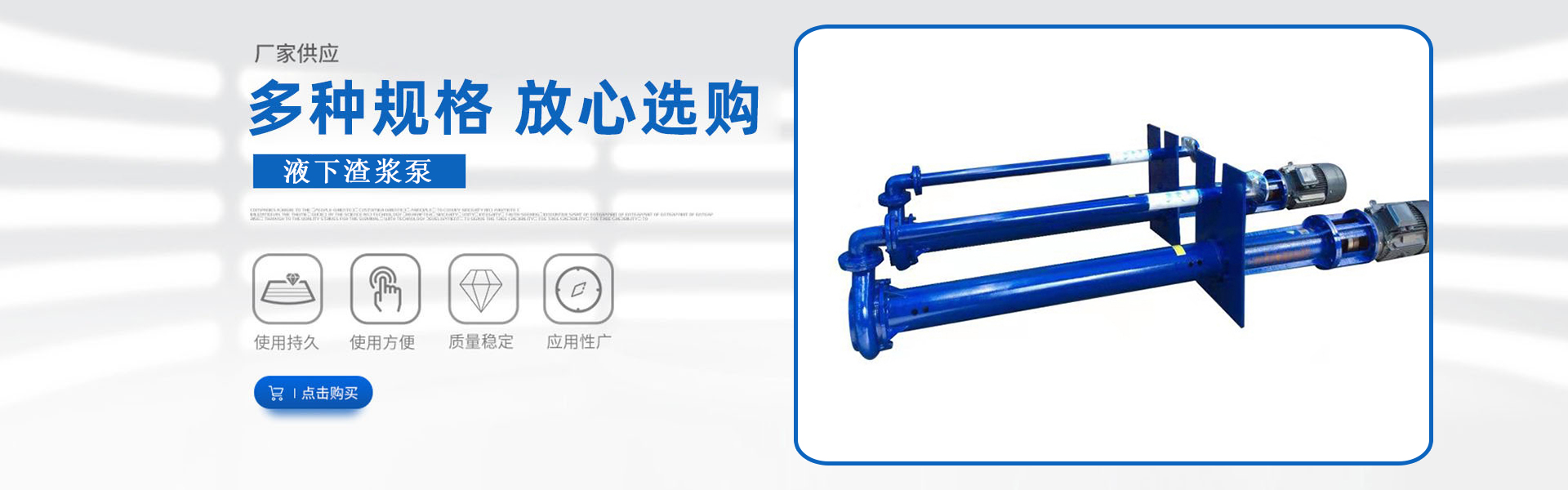

Submersible slurry pumps are crucial equipment widely used in mining and comprehensive utilization projects, primarily responsible for transporting liquid containing particulate matter to the desired location. However, due to the presence of particulate matter, submersible slurry pumps are prone to clogging during operation, leading to reduced work efficiency and even equipment damage. Therefore, designing a submersible slurry pump that can prevent and minimize particle clogging is of utmost importance.
To effectively prevent and minimize particle clogging, the following are key factors to consider when designing submersible slurry pumps:
Pump Housing Design: The pump housing should have a larger cross-sectional area and sufficient width to reduce flow velocity and minimize the likelihood of particle aggregation. Additionally, the adoption of streamlined internal structure design can decrease particle accumulation within the housing and prevent clogging.
2. Impeller Design: The impeller is a critical component of the submersible slurry pump, and its design should possess excellent anti-blocking capabilities. To prevent particle blockage, the impeller should feature large passages and appropriate blade gaps to ensure particles can flow smoothly and avoid accumulation and blockage.
3. Material Selection: Choosing wear-resistant and corrosion-resistant materials is one of the key measures to prevent particle blockages. For applications involving large particles or corrosive materials, materials with excellent wear and corrosion resistance should be selected to extend the service life of the equipment and reduce maintenance costs.
4. System Filtration: A filter or mesh is installed at the inlet of the submerged slurry pump to prevent larger particles from entering the pump. By filtering out particles, the risk of clogging can be significantly reduced, thereby enhancing the equipment's operational efficiency.
5. Regular Maintenance: Regular equipment maintenance and inspections are crucial for preventing particle blockages. Regularly cleaning particles from the pump casing, keeping the impeller clean, and promptly replacing worn-out parts can effectively extend the lifespan of the equipment and ensure its proper operation.
In summary, designing a submersible slurry pump capable of preventing and reducing particle clogging requires considerations of pump housing design, impeller design, material selection, system filtration, and regular maintenance. Through proper design and scientific maintenance, submersible slurry pumps can enhance work efficiency, reduce the risk of equipment damage, and provide reliable support for industrial production.
We hope this information is helpful. Should you have any questions, please feel free to contact us at 0533-4189877 at any time.
