
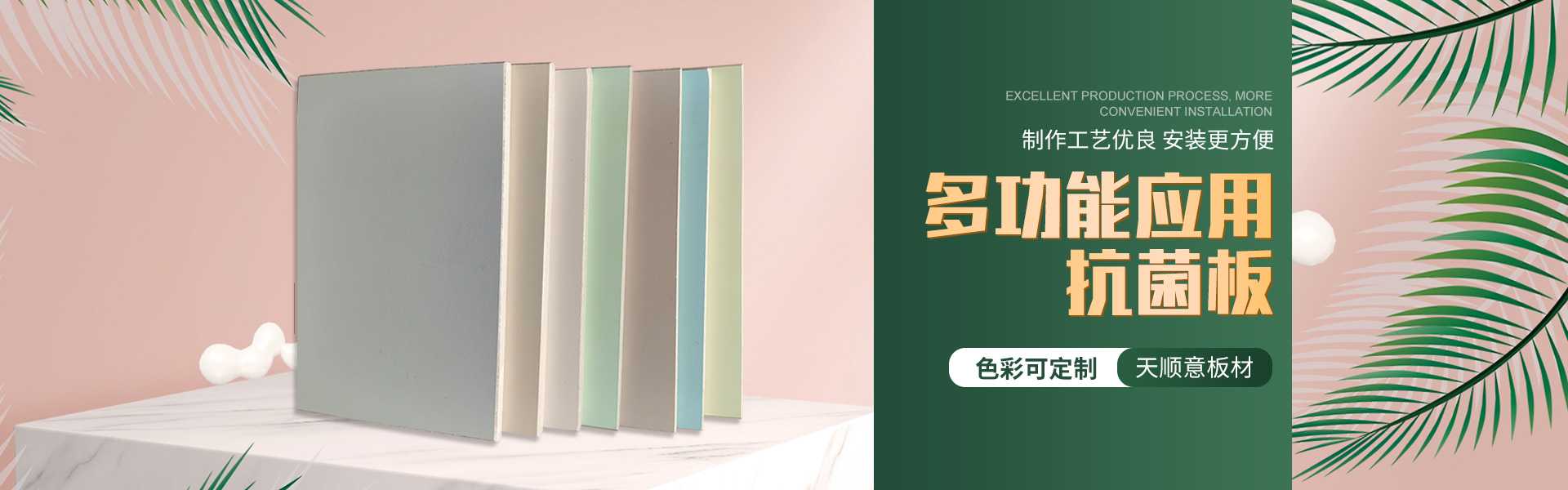


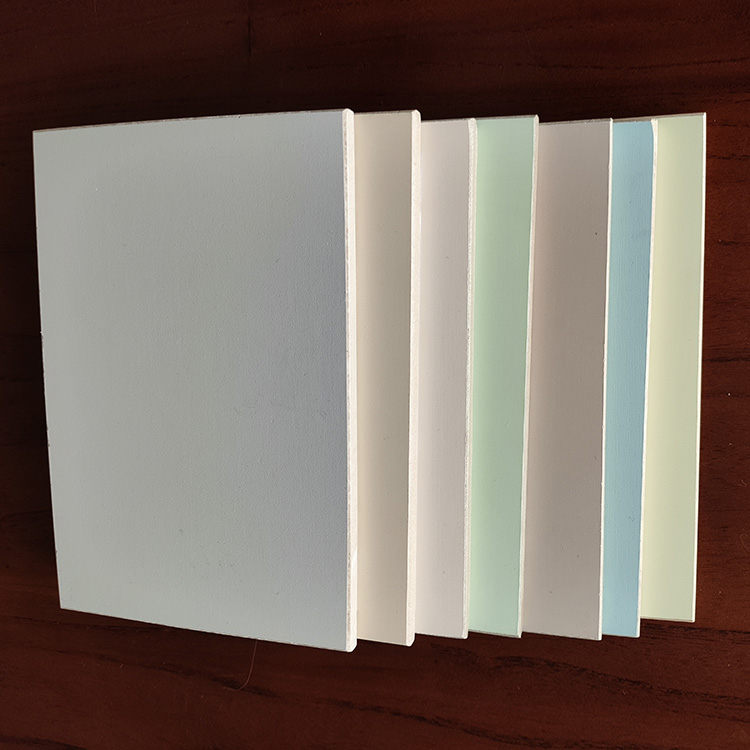
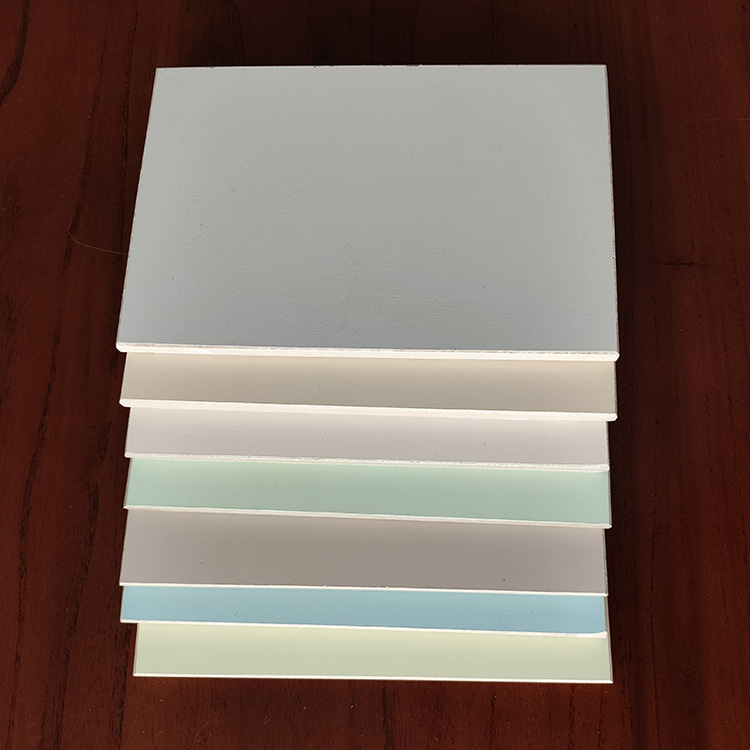

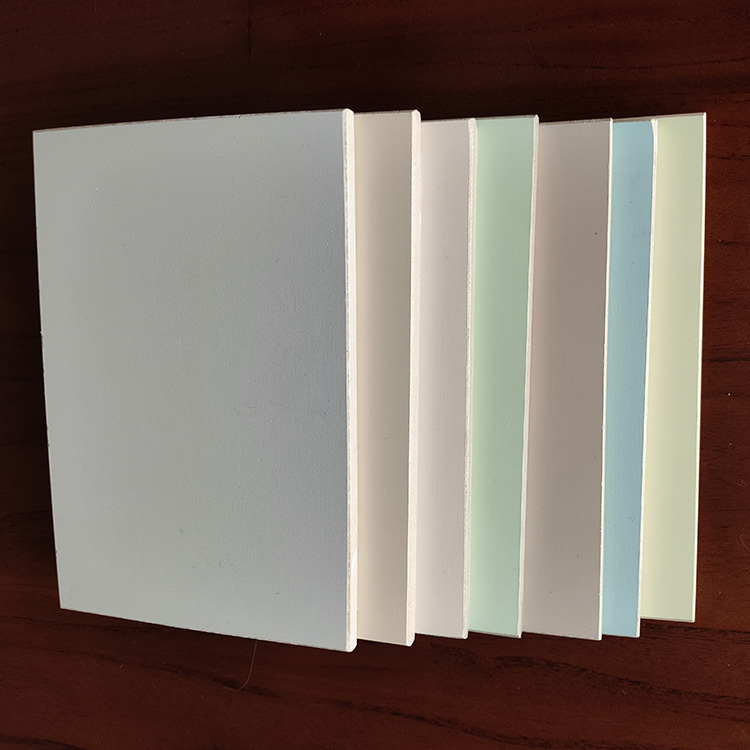
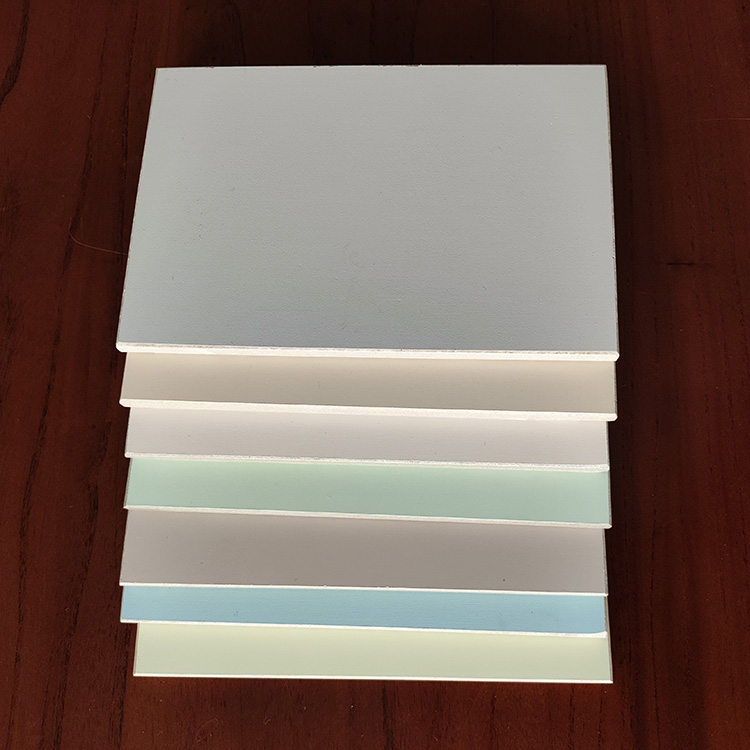

Antibacterial boards, which involve adding a certain amount of antibacterial agent to paint and then processing it into boards. Antibacterial boards can inhibit the growth of bacteria on the surface, thereby achieving long-term hygiene and safety.
Antibacterial panels, simply put, are boards processed by adding a certain amount of antibacterial agents to the paint. They can inhibit the reproduction of bacteria on the surface, thereby achieving long-term hygiene and safety. Antibacterial panels are gradually gaining consumer attention and popularity.
The reason primarily lies in the rising living standards and the growing health and environmental awareness, especially influenced by outbreaks like COVID-19 and bird flu, which have significantly increased consumers' concern and focus on home environments.
Antibacterial woodboards may vary in their antibacterial ingredients. Generally categorized, antibacterial agents can be divided into two main types: organic and inorganic.
In the antimicrobial board market, products using inorganic antimicrobial agents are more common.
And inorganic antibacterial agents are further divided into three types: silver ion antibacterial agents, photocatalytic antibacterial agents, and zinc oxide whiskers.
Silver ion antibacterial agents utilize the antibacterial properties of silver, fixing silver ions on the surface of porous materials like zeolite through physical adsorption and ion exchange methods.
The main ingredient of the photo catalyst antibacterial agent is nano-grade titanium dioxide, which, upon absorbing light, becomes highly energetic and transfers this energy to the reactants, triggering a chemical reaction. This process is designed to eliminate airborne bacteria, molds, and dust mites.
Zinc oxide whiskers react with oxygen and moisture in the air to release various antibacterial substances such as oxygen atoms, hydroxyl radicals, and negative oxygen ions under normal conditions. Additionally, zinc ions can react with enzymes in bacteria to kill them.
These three inorganic antibacterial agents have no grading differences, so when consumers are selecting, they should also consider the overall indicators such as the original brand's quality, pricing, and after-sales service.
