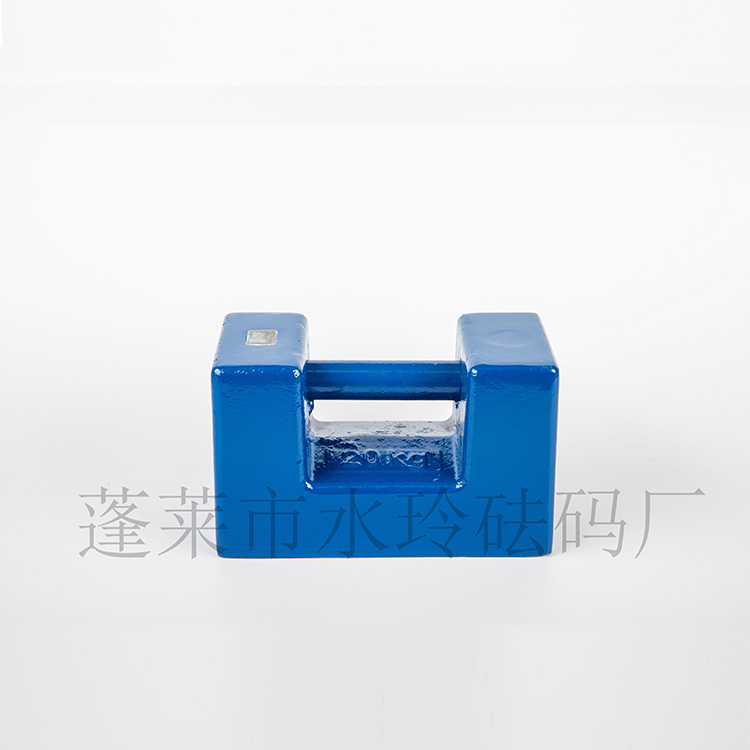


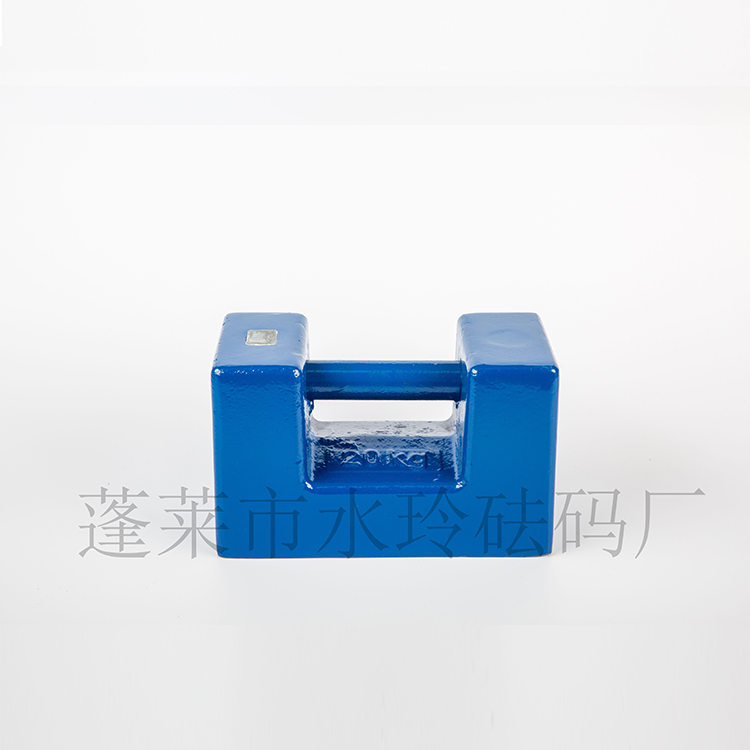
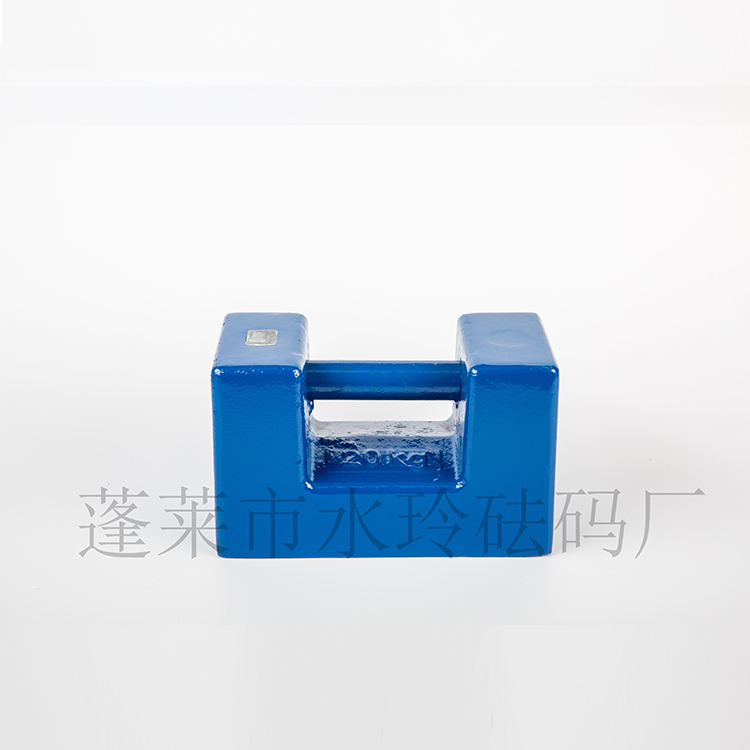
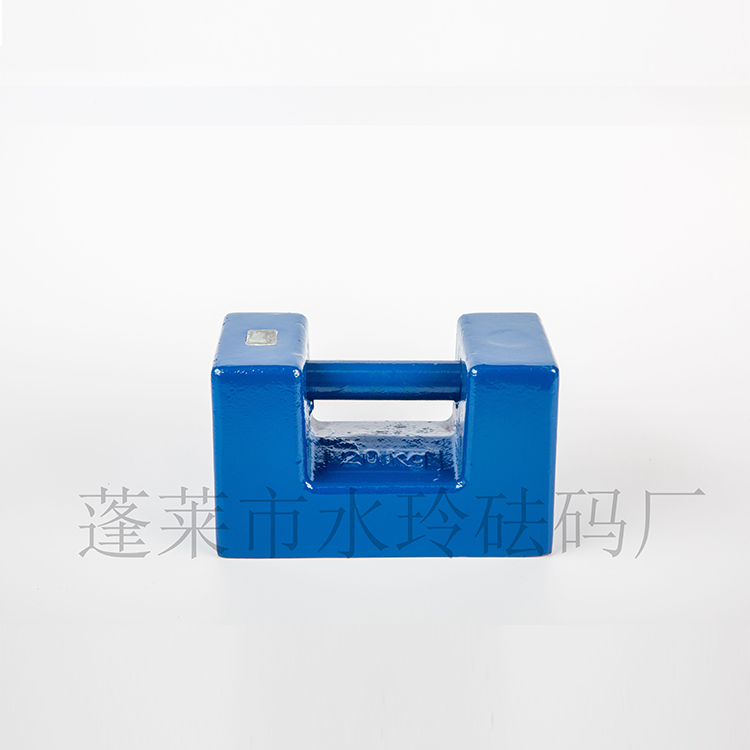
【Cast Iron Weights Precautions】
1) Due to the good fluidity of cast iron, with minimal shrinkage and linear shrinkage, it is possible to design thin-walled and complex-shaped castings.
2) The mechanical properties of cast iron are highly sensitive to wall thickness, hence it is not advisable to increase the load-bearing capacity of castings by simply adding wall thickness. Instead, the objective of both eliminating thick sections and enhancing load-bearing capacity can be achieved by altering the shape of the cross-section.
3) Due to the fact that gray cast iron has a compressive strength three to four times higher than its tensile strength, to fully utilize the characteristics of gray cast iron, it is advisable to commonly use asymmetric cross-sections, making the section under compressive stress smaller than the section under tensile stress.
4) When planning cast iron structural castings, the wall thickness should not be too thin, and corners should be appropriately thickened to prevent white mouth formation, which makes the area hard and brittle and difficult to machine.
5) Cast iron has very little plasticity, so once deformed, it cannot be corrected like cast steel components. Therefore, when planning gray cast iron structures, it is advisable to follow the principle of simultaneous solidification and choose symmetrical structures. Design for free contraction of structural sections and wall thicknesses can prevent deformation cracks in 1) castings.