


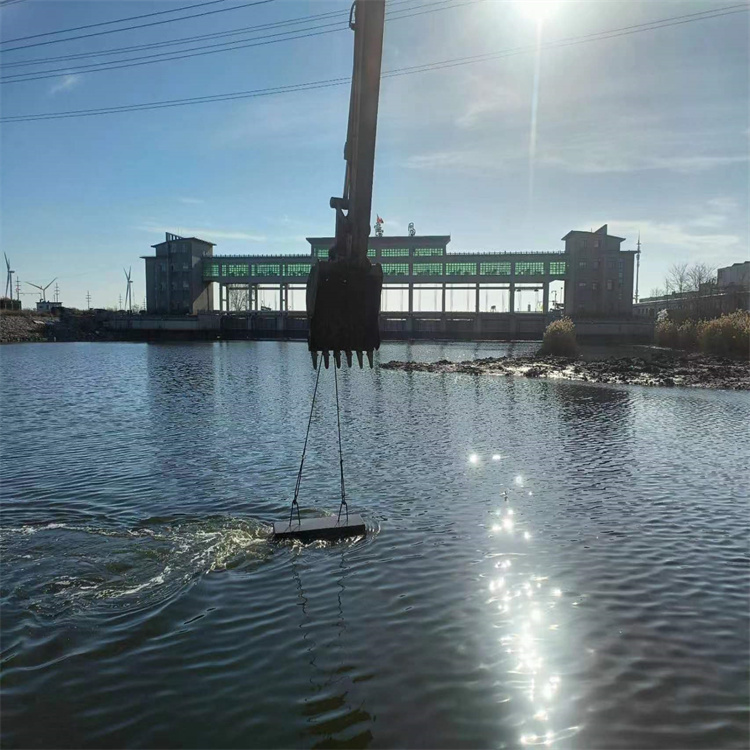


The pipe-jacking method is a construction technique for building tunnels underwater. The following are its main steps and precautions:
Construction Steps:
Excavate Pipe Tunnel: Excavate the pipe tunnel according to design requirements, utilizing excavators or other suitable machinery. The width and depth of the trench should match the pipeline, while also considering the stability of the trench surface.
Install pipes: Lower pre-fabricated pipes into the pipe trench, connect them as per design specifications, usually using rubber seals or welding methods. Ensure the pipes are level and plumb, and that the spacing between them meets requirements.
Fixed pipeline: Utilize special support and fastening devices, such as cables and brackets, to secure the pipeline within the immersed pipe trench, preventing movement during construction and operation.
Backfilling pipe trench: Fill the pipe trench with fine sand or mortar to level it, thereby enhancing the stability and load-bearing capacity of the pipeline.
Interface Treatment: Seal the pipe ends and interfaces to prevent leakage and damage.
Conduct pipeline tests: Utilize appropriate methods for pressure testing, watertightness testing, leak detection, etc., to ensure the quality and reliability of the pipeline.
Rehabilitate Surface: Flatten the construction area as needed and carry out related restoration work for roads, landscaping, drainage, etc.
Cautionary Notes:
During construction, strict control over the quality of pipe segment manufacturing and installation accuracy should be maintained to ensure they meet design requirements.
During transportation and installation, effective measures should be taken to prevent damage or deformation of the immersed tube section.
During the connection process, reliable waterproofing measures should be implemented to ensure that the pipe segment does not leak.
During backfilling, attention should be given to layered filling and compaction to ensure the quality of backfill.
During equipment installation, pay attention to the installation location and height to ensure it meets design requirements.
Additionally, quality inspection and acceptance are indispensable in the construction process using the immersed tube method. During construction, the manufacturing quality and installation accuracy of the immersed tube sections should be inspected and accepted to ensure they meet design specifications. During acceptance, technical personnel or third-party testing agencies should be invited to conduct inspections and evaluations to ensure the quality and safety of the immersed tube sections. Unqualified sections should be reworked or repaired, and only then accepted upon meeting the required standards.

