


Fundamentals of ESD Control
Ensure ESD Protection Design: Component Selection, Rational Wiring, and Protection Circuit Design
Eliminate and reduce the generation of static electricity: Minimize or eliminate the processes that generate static electricity, maintain processes, and keep materials at the same electrical potential.
Discharge and neutralize static electricity: Use static conductors, grounding, and ionizers for static discharge and neutralization
Protect Products from ESD Damage: Use Antistatic Materials for Packaging and Storage
Design Principles for Antistatic Zones
Prevent the accumulation of static charge and the generation of static voltage. Avoid using plastic, acrylic, and ordinary plastic bags for equipment, instruments, and work tools.
Eliminate static electricity safely, quickly, and effectively with our tethered antistatic wrist straps, antistatic chairs, antistatic carts, and antistatic boxes.
Ensure static voltage is less than 100V.
Static Dissipation System Elements
1. Ground
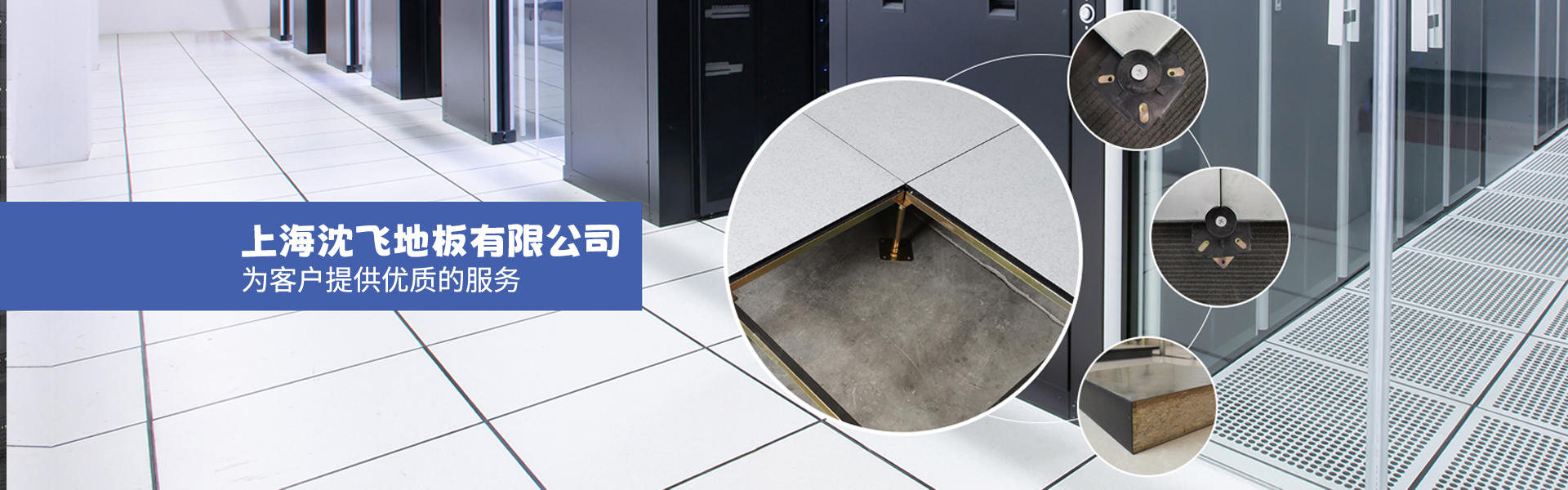
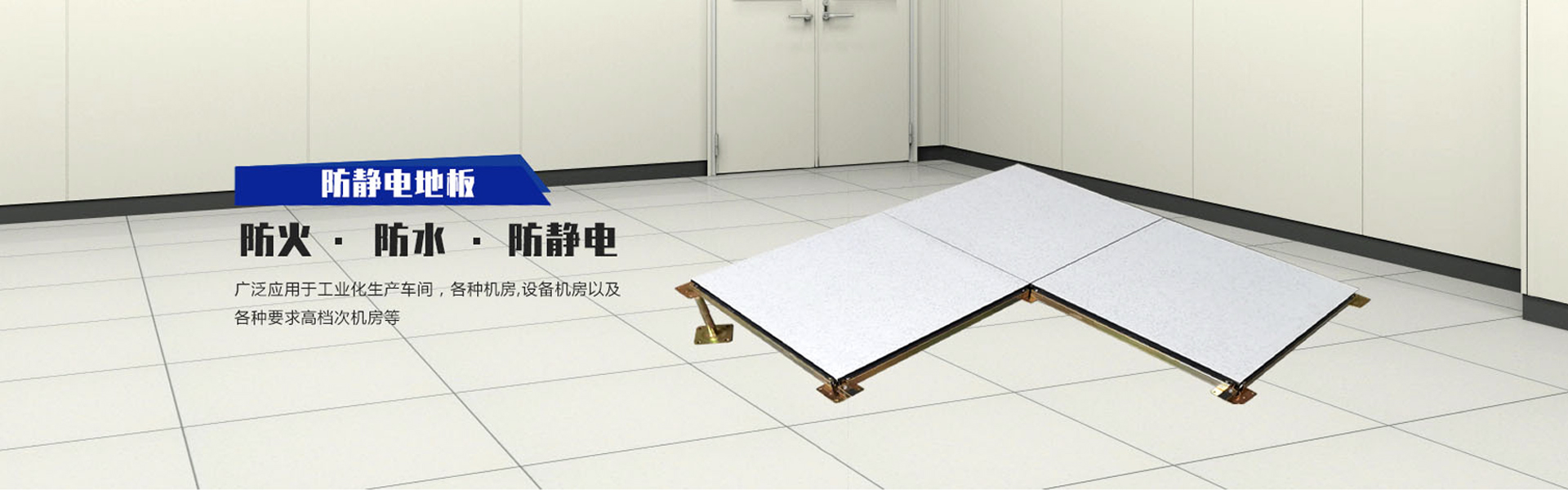
Anti-static flooring (anti-static terrazzo, anti-static floor) with body resistance of 105~109Ω, equipped with grounding grid.
2. Workstation (see attached image)
3. Grounded
Anti-static work areas must have a safe and reliable anti-static grounding device with an earth resistance less than 4Ω. The anti-static ground wire must not be connected to the neutral wire of the power supply and must not share the lightning protection ground wire. When using a three-phase five-wire system for power supply, the ground wire can be used as an anti-static ground wire.
b. All ESD protective devices such as worktops, floor mats, chairs, and other antistatic equipment should be connected to the ground via current-limiting resistors. Wrist straps should be connected to the ground through the grounding point on the top surface of the workbench. Workbenches should not be interconnected for grounding.
c. The antistatic work area grounding system, including current-limiting resistors and connection terminals, should be reliably connected and possess a certain current-carrying capacity. The selection of the current-limiting resistor values should ensure that the leakage current does not exceed 5mA, with the lower limit set at 1M Ω.
4. Temperature and humidity
20-30°C, relative humidity 30-70%.
5. Increased Humidity
Humidifiers moisten the air to prevent static charge buildup, but this method is not suitable for locations where increased humidity may have harmful effects.
6. Human Body
Wear antistatic work clothes and shoes, and use tethered antistatic wristbands, gloves, and finger cots.
7. Packaging
Electrostatic-sensitive devices should be packaged with anti-static protective materials, such as anti-static bags and boxes.
8. Storage and Transportation
Electrostatic-sensitive devices must be stored in anti-static containers (boxes, bags) and transported using anti-static handling tools (boxes, trucks). During storage and transportation, they should be kept away from static fields, electromagnetic fields, or radiation fields, such as the top of computer monitors.
Personnel Anti-static Grounding Technical Requirements
1) Static-dissipative grounding should be used with wrist straps, work shoes, etc.
All production staff must wear antistatic shoes and clothing when entering the static-free area; for visitors, antistatic shoe covers and overalls are required.
3) All personnel, including operators, material handlers, technicians, team leaders, and others working in the anti-static area, as well as those working in the office on-site, must test their body's comprehensive resistance before each shift. For individuals who may come into contact with products, anti-static wristband tests must also be conducted, and test results should be recorded and preserved.
4) Prior to entering the antistatic area, a comprehensive body resistance test must be conducted. If non-employees may come into contact with products, they should also undergo an antistatic wristband test, and test results should be saved and documented properly.
5) Individuals who fail the antistatic wristband or comprehensive body resistance test are prohibited from entering the antistatic area and are strictly forbidden from handling ESSDs (Electrostatic Sensitive Devices) and components. Those who fail the comprehensive body resistance test or wristband test must immediately identify the cause and take appropriate actions until they pass the test.
Wrist strap grounding requirements
Anti-static wrist straps should ensure good contact with the skin and be connected to an anti-static grounding system. No oily substances such as skincare oil or antifreeze oil should be applied to the skin where the wrist strap is worn.
Work shoe grounding requirements
1) No insoles are allowed inside static dissipative shoes. 2) Operators are required to wear cotton socks to ensure the body's static electricity is effectively dissipated through the work shoes and heels. 3) Keep the work shoes clean and tidy.
There is a wide variety of static material products, but they can mainly be categorized into the following types:
Antistatic Apparel and Wrist Straps
Antistatic clothing and wrist straps are an essential component in eliminating human static electricity systems, enabling the reduction or control of static electricity generation, thereby decreasing the primary static source during the manufacturing process.
Static Dissipative Apparel includes suits, overcoats, shoes, hats, static dissipative gloves, finger cots, and foot straps. These garments are made from static dissipative fabrics, which contain a certain proportion of conductive yarn. The conductive yarn is a blend of stainless steel fibers or other conductive fibers with regular fibers. The static on the apparel is eliminated through the corona discharge and leakage effects of the conductive fibers. Since stainless steel fibers are metallic fibers, the conductive properties of the static dissipative fabric woven from them remain stable and do not change with the number of washes.
Antistatic wrist straps are essential protective equipment for operators when handling electronic components, as they safely discharge the static charge carried by the human body through a grounding path. They are composed of antistatic elastic bands, movable clips, springy wires, protective resistors, and plugs or connectors. The inner layer of the elastic band is woven with antistatic yarn, while the outer layer is woven with ordinary yarn.
